
Author: Dev Patel | EQMint | General News
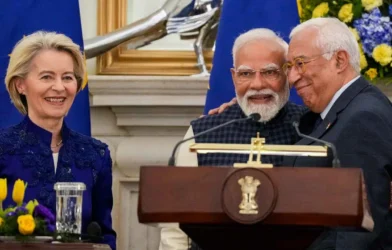
India’s steel exporters are sounding the alarm as the European Union prepares to tighten import norms and raise tariffs on steel. They are urging the Indian government to seek strong relief measures and carve-outs in the ongoing Free Trade Agreement (FTA) negotiations to protect one of India’s most vital export sectors from a potential shock.
EU’s new tariff plan sparks concern
The European Union is reportedly considering sharp cuts in its tariff-free steel import quotas—potentially reducing them by nearly half—and imposing duties as high as 50% on imports exceeding those limits. The plan, aimed at reviving Europe’s domestic steel industry, could severely dent India’s export competitiveness.
The move also includes a strict “melt and pour” origin rule, meaning that steel must be produced and melted entirely in the exporting country to qualify for tariff-free access. This poses an additional compliance challenge for Indian exporters, particularly for firms engaged in semi-finished product trade or re-rolling operations that rely on imported raw materials.
Why India’s exporters are worried
The European Union is among India’s largest steel export destinations, accounting for nearly two-thirds of its total outbound shipments of certain flat and alloy steel products. With the EU’s proposed changes, Indian producers face a dual blow: losing preferential market access and grappling with higher costs due to Europe’s stringent carbon regulations.
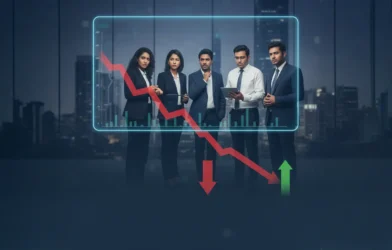
Industry experts warn that if the EU’s new regime takes effect without protective clauses for India, several exporters—especially small and mid-sized steelmakers—could see their margins shrink dramatically. Many exporters operate on tight spreads, and even a small rise in duties could make their products unviable in European markets.
Adding to the challenge, the EU’s Carbon Border Adjustment Mechanism (CBAM), set to roll out in phases, will levy carbon-related tariffs on imports from countries with less stringent emission standards. India’s steel industry, which still relies heavily on traditional blast furnace methods, could face significant additional costs, further undermining its price competitiveness.
Exporters call for action
In response, leading industry associations and export councils are pressing the Indian government to act swiftly in the ongoing FTA discussions. They have submitted formal recommendations calling for:
- Dedicated quota carve-outs: Ensuring India receives a separate, minimum quota allocation under the EU’s new system instead of being grouped with all third-party countries.
- Grandfathering of current volumes: Allowing existing export levels to continue under previous quota terms, ensuring Indian firms don’t lose market access abruptly.
- Carbon transition support: Negotiating mutual recognition for India’s carbon reduction initiatives or seeking compensation mechanisms to offset future CBAM-related costs.
- Reciprocal trade protections: Using India’s growing trade and diplomatic leverage to negotiate balanced terms that safeguard domestic industries.
The Federation of Indian Export Organisations (FIEO) and major steel producers have emphasized that these measures are essential to prevent long-term erosion of India’s export base.
FTA talks: a critical window
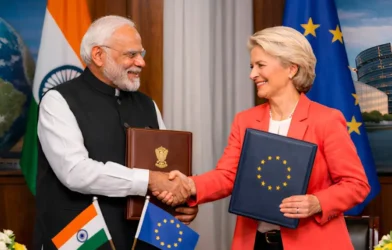
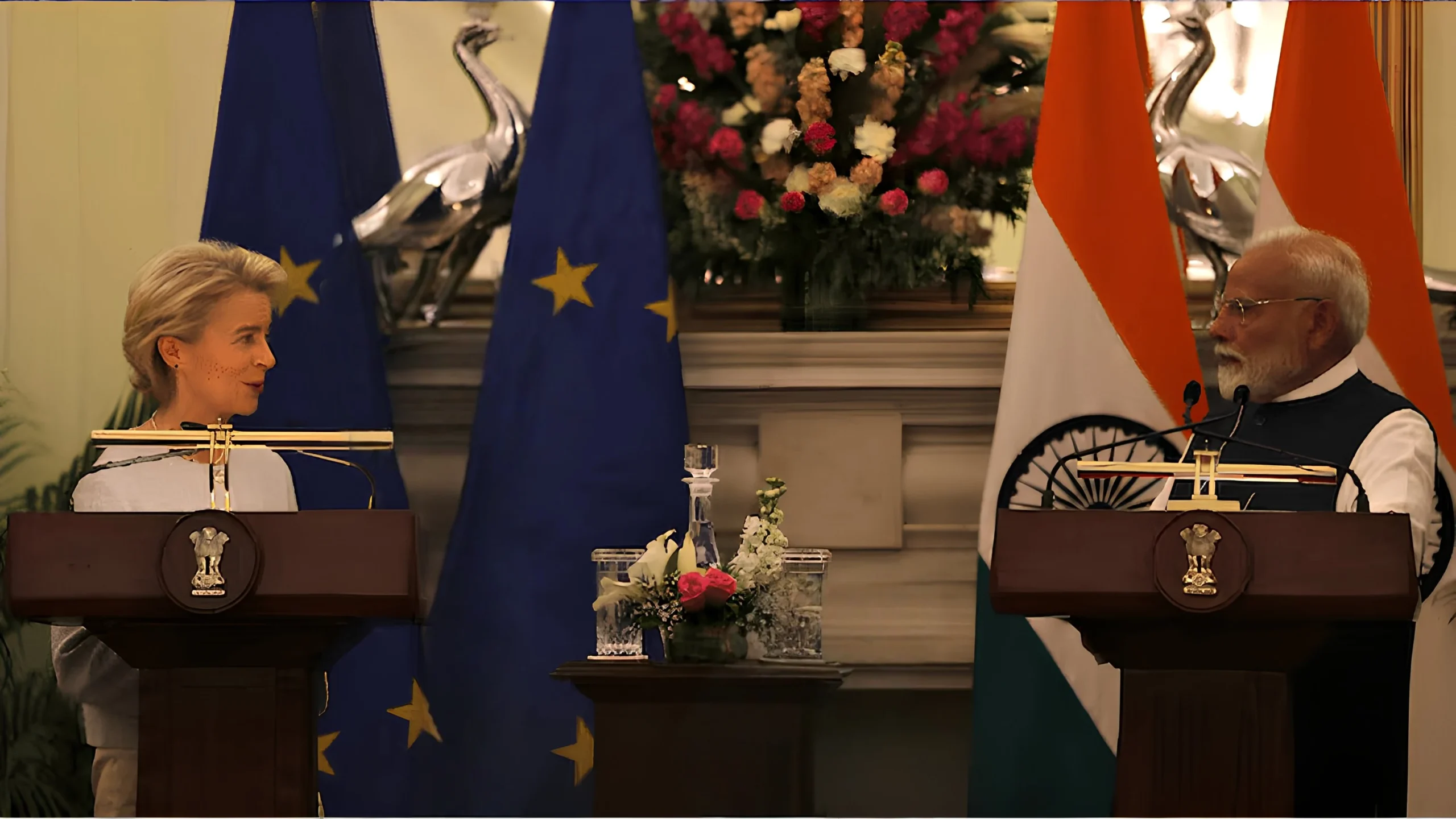
The 14th round of India-EU FTA negotiations is currently underway, with both sides aiming to conclude the agreement by the end of this year. The deal is expected to boost bilateral trade by removing barriers and providing new market opportunities. However, exporters fear that the EU’s tightening of steel quotas could undermine many of the anticipated benefits.
Analysts say that without specific exemptions or compensatory clauses for steel, the FTA could end up offering little real benefit to India’s manufacturing exporters. Instead, it may tilt the balance further in favor of European producers, who already enjoy advanced infrastructure and government support.
Government response
Officials in New Delhi have acknowledged the concerns of the steel industry and indicated that they are closely monitoring developments in Brussels. The Commerce Ministry has reportedly sought detailed input from industry bodies to frame India’s negotiation stance.
The government maintains that any FTA will be signed only if it is “fair, balanced, and mutually beneficial.” Trade experts, however, caution that timing is critical. The EU’s new tariff structure could be implemented within months, meaning India has limited time to secure relief before the new system locks in.
Broader implications for India’s economy
The stakes are high. Steel contributes significantly to India’s export earnings, industrial growth, and employment. A sharp decline in exports could ripple through allied sectors like engineering goods, auto components, and heavy machinery.
Moreover, losing ground in the EU market could open space for competitors such as South Korea, Vietnam, and Turkey—countries that already have trade agreements offering preferential access to Europe.
If left unaddressed, the new tariff barriers could also dampen investor confidence in India’s manufacturing sector, undermining initiatives like “Make in India” and the government’s push for self-reliance in core industries.
The road ahead
For India, the path forward lies in proactive diplomacy and smart negotiation. Securing transitional relief, dedicated quotas, and carbon compliance flexibility will be crucial to protecting its exporters. India may also need to accelerate its own decarbonization roadmap to stay aligned with global trade realities.
As the deadline for the EU’s new trade measures approaches, the pressure is mounting. The coming weeks will test New Delhi’s ability to strike a fine balance—protecting domestic industries while advancing its global trade ambitions.
Whether India can turn this challenge into an opportunity will depend on how effectively it defends its interests at the FTA table. For now, the message from exporters is loud and clear: act fast, or risk losing one of India’s most important markets.
Disclaimer: This article is based on information available from public sources. It has not been reported by EQMint journalists. EQMint has compiled and presented the content for informational purposes only and does not guarantee its accuracy or completeness. Readers are advised to verify details independently before relying on them.