
Author: Aditya Pareek | EQMint | General News
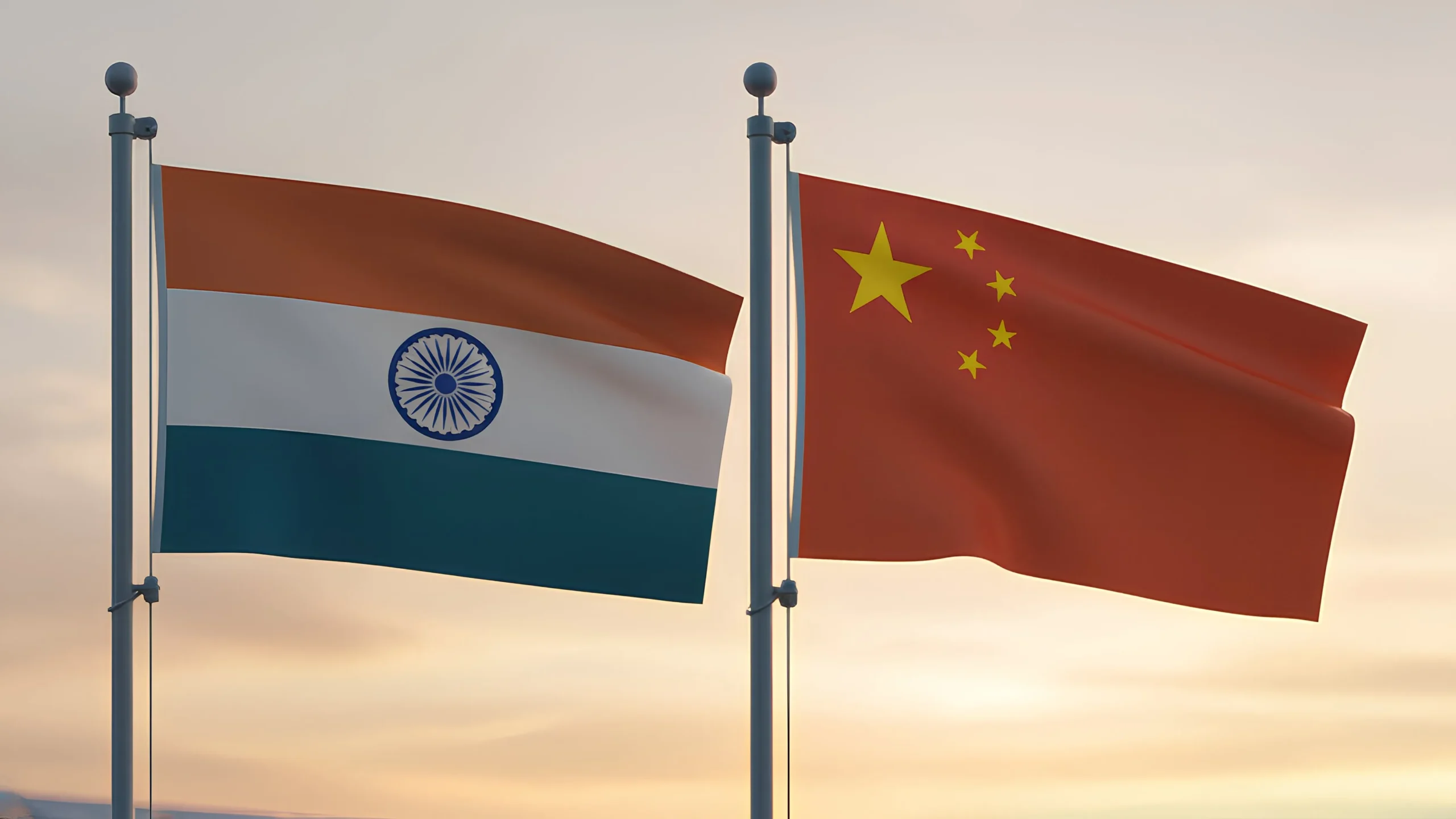
In a bold escalation of trade tensions between Asia’s two biggest economies, China has lodged a formal complaint against India at the World Trade Organization (WTO), accusing New Delhi of offering unfair subsidies to its electric vehicle (EV) and battery industries. The move marks a new chapter in the growing economic rivalry between the two nations — this time centered on the rapidly expanding green-tech sector.
China’s Complaint: “India Tilting the Playing Field”
According to Beijing, India’s EV subsidy programs — designed to promote local manufacturing — breach WTO rules by favoring domestic producers over foreign competitors. China claims these incentives give Indian firms an “unfair competitive advantage,” effectively shutting out Chinese battery and component manufacturers from one of the world’s fastest-growing EV markets.
China’s Ministry of Commerce has demanded that India withdraw or revise these measures immediately, warning that if the issue remains unresolved, it may take “further steps” to safeguard its commercial interests. Although no retaliatory measures have yet been announced, experts suggest Beijing could target Indian exports or raise trade barriers in other sectors.
India’s Push for a Homegrown EV Ecosystem
For India, the EV push is central to its long-term sustainability goals. The government’s Faster Adoption and Manufacturing of Hybrid and Electric Vehicles (FAME) scheme, coupled with the Production Linked Incentive (PLI) program, offers financial support to companies that build EVs, batteries, and related infrastructure domestically.
The idea is to reduce dependence on oil imports, lower emissions, and establish India as a major player in clean mobility. New Delhi argues that these subsidies are transparent, WTO-compliant, and crucial to achieving climate goals and industrial self-reliance.
Officials have previously said that India’s incentives are open to any company willing to set up manufacturing units within the country, including foreign investors — a point they believe shields the policy from WTO violations.
A Clash of Green Ambitions
China’s challenge comes at a time when both countries are racing to dominate the global EV supply chain. China already leads the world in battery production, controlling more than 70% of global capacity. India, on the other hand, is a fast-emerging contender, aiming to build a domestic manufacturing ecosystem that can rival its northern neighbor’s dominance.
Analysts see this WTO move as a signal of China’s discomfort with India’s growing assertiveness in green manufacturing. “China is used to setting the pace in EVs and batteries,” said a New Delhi-based trade expert. “But India’s policy framework has begun attracting global players — and that may be seen as a threat to Chinese exports.”
What Happens Next at the WTO
Under WTO rules, once a complaint is filed, the two countries must enter into formal consultations to try to resolve the issue diplomatically. If those talks fail, China could request the formation of a dispute settlement panel — a process that typically takes months, if not years, to conclude.
If the WTO rules against India, the country may be asked to modify or withdraw its subsidies. However, New Delhi is expected to defend its policies robustly, arguing they are legitimate measures to promote sustainable development and economic resilience.
Meanwhile, trade watchers caution that such disputes can have far-reaching implications beyond EVs. “This is not just about cars and batteries,” said a Mumbai-based economist. “It’s about who gets to lead the next wave of industrial growth — and how far countries can go in supporting domestic innovation.”
Implications for the Global Green-Tech Market
The case underscores a larger global challenge — how to balance the urgent need for green innovation with fair trade practices. As countries pour billions into clean-energy industries, disputes like this one could become more common.
If India prevails, it could embolden other emerging economies to craft subsidy programs aimed at self-reliance in critical sectors. If China wins, however, it might limit how far nations can go in offering local incentives under the banner of sustainability.
Either way, the outcome will likely shape future policy decisions across Asia and beyond. For multinational EV makers, it may also influence investment strategies, sourcing decisions, and partnership models in the years to come.
The Bigger Picture: Trade Meets Climate Politics
Beyond the legal arguments, the dispute also highlights the uneasy intersection between trade and climate policy. Both India and China have pledged aggressive decarbonization targets, yet each wants to secure a strategic advantage in the technologies that will define that future — from lithium-ion batteries to EV components and renewable storage systems.
For India, standing firm in the face of this complaint could be a matter of national pride and economic strategy. For China, it’s a defensive move to protect its dominance in a sector it has spent decades cultivating.
As the WTO gears up to mediate the conflict, the world will be watching closely. The fight over EV subsidies is more than a legal battle — it’s a struggle for leadership in the clean-energy revolution.
Disclaimer: This article is based on information available from public sources. It has not been reported by EQMint journalists. EQMint has compiled and presented the content for informational purposes only and does not guarantee its accuracy or completeness. Readers are advised to verify details independently before relying on them.