
Author : Aashiya Jain | EQMint | Political News
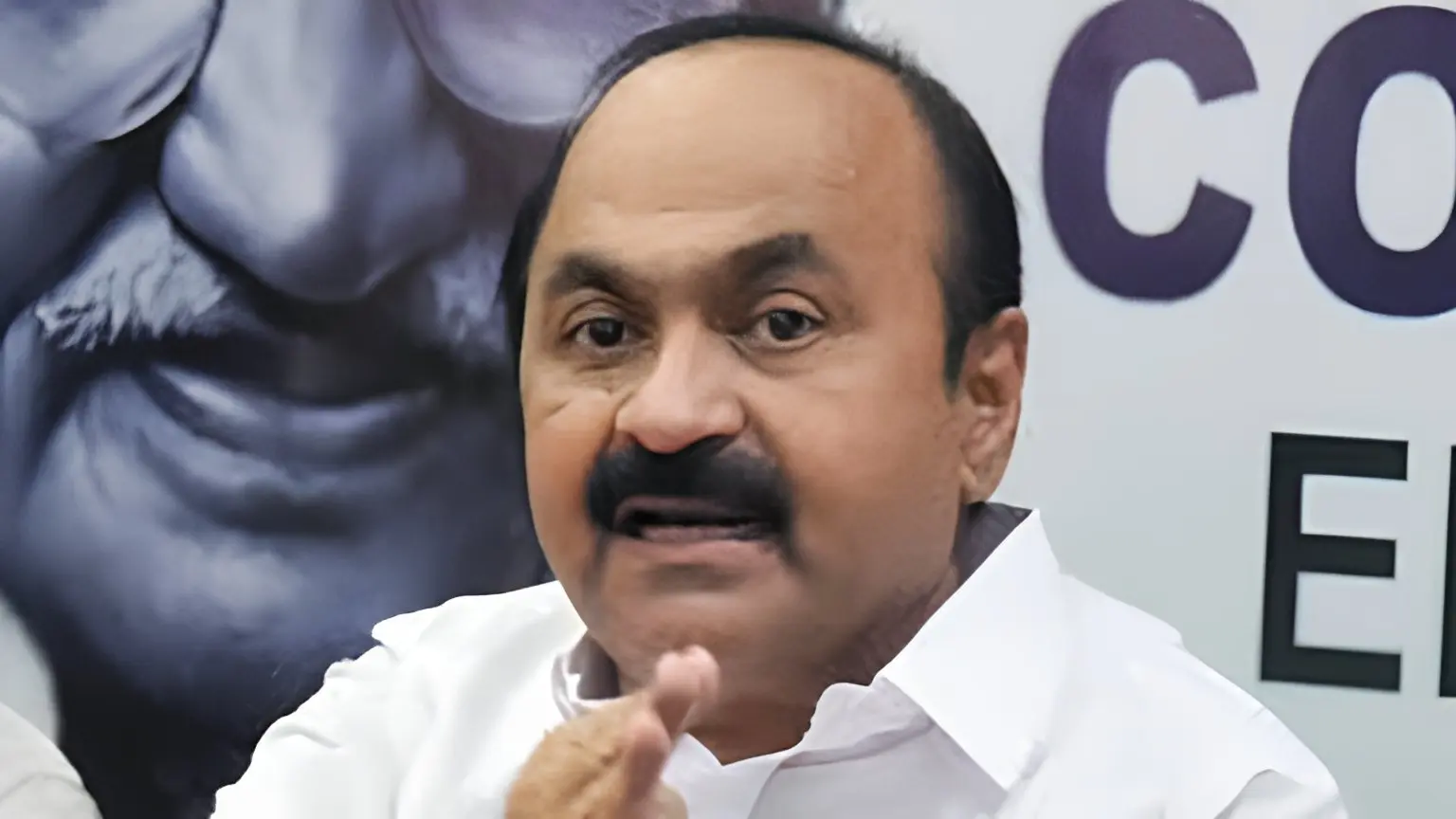
In a significant development ahead of the upcoming Kerala Assembly elections, the Indian National Congress has signalled a major shift in its approach to candidate selection. On Sunday, V. D. Satheesan, Leader of the Opposition in the Kerala Assembly, announced that the party plans to allot up to 50% of its seats to women and young candidates a move aimed at reshaping the party’s image and energising its base.
Speaking to reporters in Thiruvananthapuram, Satheesan clarified that this decision was not a spontaneous whim but a deliberate step in line with the All India Congress Committee’s (AICC) policy and reflects a wider commitment from party leadership, including Rahul Gandhi, to promote greater representation for women and the younger generation in politics.
“We are responsible for implementing this direction and we will do so,” he said, underlining the party’s commitment to making good on the directive.
Why This Matters
At a time when many political parties in India talk about inclusion, this move by the Congress seeks to back those words with action. Kerala, known for its politically aware electorate and high literacy rates, has often seen leadership dominated by familiar faces and veterans. In recent years, despite women making up nearly half of the electorate, their representation in legislative bodies has remained limited. By announcing a bold target of 50% seats for women and youth, the Congress is trying to redefine political participation for a state that prides itself on progressive values.
For many ordinary people, this feels like a breath of fresh air. Young professionals, community workers, and activists who have long felt sidelined in mainstream politics now see a genuine opening. “It’s encouraging to see space being made for women and the youth people who bring new ideas, energy, and perspectives,” commented Anita Menon, a community organiser from Kochi. While not directly quoted by leaders, this sentiment echoes the reception among many who want to see politics more reflective of society’s diversity.
Satheesan’s Clarification and Broader Vision
One of the key aspects of Satheesan’s statement was his emphasis that this strategic shift did not mean marginalising senior leaders. “There will be changes, but that does not mean senior leaders will be denied chances,” he said, recognising that experience and continuity still matter in public life.
Satheesan posed a simple but powerful question: “There should be more opportunities for the younger generation. All of us came up in the same way. Can we decide that those who come after us should not get an opportunity?”
This line of thought resonated with many it humanises the political decision and shows that the party is trying to bridge generations rather than replace one with another. In essence, the Congress is arguing that a blend of experienced leaders with committed, fresh voices can strengthen its electoral prospects.
Generational Shift and Electoral Strategy
Reports suggest that this decision is not just symbolic. According to multiple news sources, Satheesan indicated that the party’s candidate list could reflect “a clear generational change,” bringing forward faces that have worked at grassroots levels and represent local aspirations.
The timing of this announcement also connects to the recent local body election results, where the Congress-led United Democratic Front (UDF) performed strongly against the ruling Left Democratic Front (LDF), energising the party’s cadre and supporters. Leaders believe that presenting a refreshed candidate slate could build on this momentum and appeal to voters hungry for change.
Satheesan also stressed that the shift would not be disruptive or disorderly. “The process will be smooth, as it will not require drastic changes,” he noted, pointing out that Congress already has a pool of capable young and popular leaders ready to contest.
Challenges and Expectations Ahead
Of course, translating this announcement into reality will not be straightforward. The party must decide which constituencies will have women and young candidates, balance local factors, and ensure that chosen representatives are supported, trained, and prepared to contest especially in a state where literacy and political awareness among voters are high.
But for now, Satheesan’s announcement sends a clear message: Congress in Kerala wants to change how it approaches leadership with a conscious effort to elevate voices traditionally underrepresented.
Looking Forward
As the Kerala Assembly elections draw closer, all eyes will be on how this promise unfolds. Whether this reshaping of candidate lists can translate into electoral success remains to be seen. But what’s clear is that the debate on inclusion, representation, and generational change has now taken centre stage in Kerala’s political conversation and that in itself is a noteworthy shift.
For more such information : EQMint
Resource links : ET
: Madhyama