

Author : Aashiya Jain | EQMint | Sustainability News
Axis International has filed a claim seeking $28.9 billion in compensation from the Republic of Guinea, following the government’s decision to revoke the company’s bauxite mining permit. The dispute has drawn international attention, not only because of the size of the claim but also because it touches on broader issues surrounding mining rights, government authority, and foreign investment in resource-rich countries.
The Influence of Guinea on Global Bauxite Markets
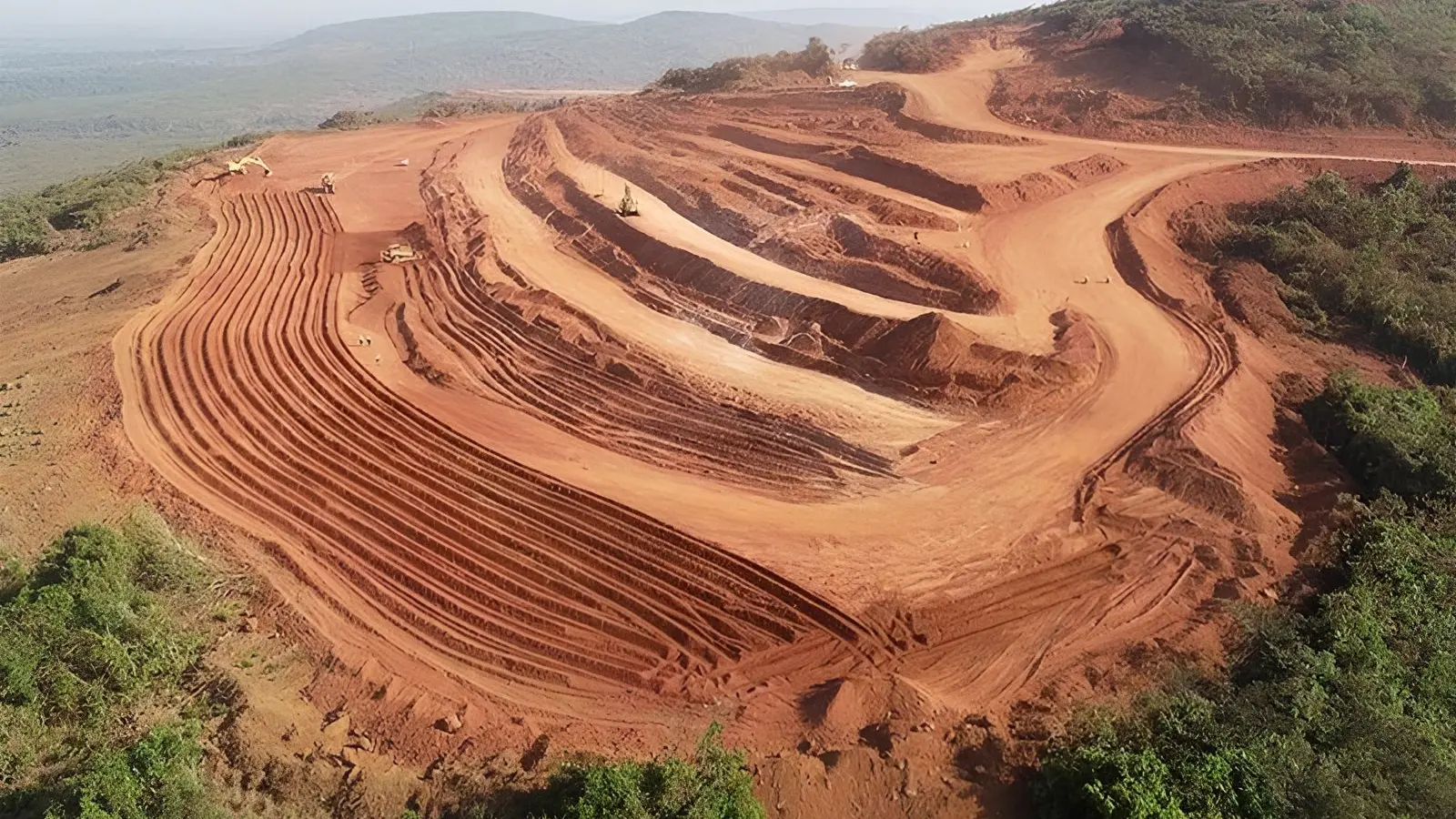
Guinea is one of the world’s leading producers of bauxite, the key raw material used in aluminum production. The mineral plays a central role in the country’s economy and has long attracted interest from international mining companies. Over the years, Guinea has issued numerous mining licenses as part of efforts to develop the sector and increase state revenues. However, the government has also faced criticism over agreements that failed to deliver meaningful economic benefits.
Axis International says it was granted a permit to develop a bauxite project in Guinea and that the license formed the foundation of a long-term investment plan. According to the company, the permit gave it legal rights to explore and develop the resource, and its sudden cancellation has caused significant financial losses. Axis argues that the revocation breached legal protections afforded to investors and undermined the stability of the investment framework.
The company’s claim of $28.9 billion reflects what it describes as lost future earnings tied to the bauxite project, along with other financial damages. Axis maintains that the scale of Guinea’s bauxite reserves meant the project had substantial commercial potential. From the company’s perspective, the permit was withdrawn without proper justification, leaving it with no option but to pursue legal action.
Guinea’s government has strongly defended its decision. Authorities have stated that the permit was revoked because the project had not been developed in line with agreed timelines. In recent years, the government has taken a tougher stance on companies that hold mining licenses but do not move forward with production. Officials argue that such permits prevent the country from fully benefiting from its natural resources.
The revocation of Axis International’s permit appears to be part of a wider effort by Guinea to clean up its mining sector. The government has publicly emphasized that mining licenses should lead to real activity on the ground, including infrastructure development and economic contributions. When projects stall, officials say, the state has a responsibility to intervene.
This dispute highlights a recurring tension in the global mining industry. Governments want to retain control over strategic resources and ensure they are developed in ways that support national goals. At the same time, mining companies seek regulatory certainty and protection for long-term investments that often require large upfront costs.
Axis International has taken its case to international arbitration, where it will argue that Guinea’s actions amount to an unlawful withdrawal of rights. Such proceedings are typically confidential and can take several years to conclude. The outcome will depend on how arbitrators interpret the permit terms, Guinea’s mining laws, and applicable investment agreements.
For Guinea, the case carries significant financial and reputational risks. A ruling in favor of Axis could result in a substantial compensation award, while also raising concerns among other investors operating in the country. At the same time, the government is under domestic pressure to ensure that mining activity delivers tangible benefits rather than remaining tied up in inactive licenses.
Public debate within Guinea reflects these competing views. Some observers support the government’s decision, arguing that past mining arrangements allowed companies to control valuable resources without sufficient progress or returns for the country. Others worry that large legal disputes could make investors more cautious, particularly in a sector that depends heavily on foreign capital and expertise.
The case also comes at a time when many resource-rich countries are reviewing older mining agreements. Rising commodity demand has encouraged governments to push for stricter enforcement of development obligations. While these moves are often framed as necessary reforms, they can lead to disputes when companies believe their rights have been unfairly restricted.
As proceedings move forward, the Axis International claim is likely to be closely watched by mining firms, governments, and legal experts. The dispute serves as a reminder of how high the stakes can be when natural resources, national policy, and international investment collide.
For now, the legal battle continues, with both sides standing firm. Whatever the outcome, the case underscores the challenges involved in balancing investor expectations with a country’s right to manage and protect its most valuable resources.
For more such information : EQMint
Resource Link : Reuters