
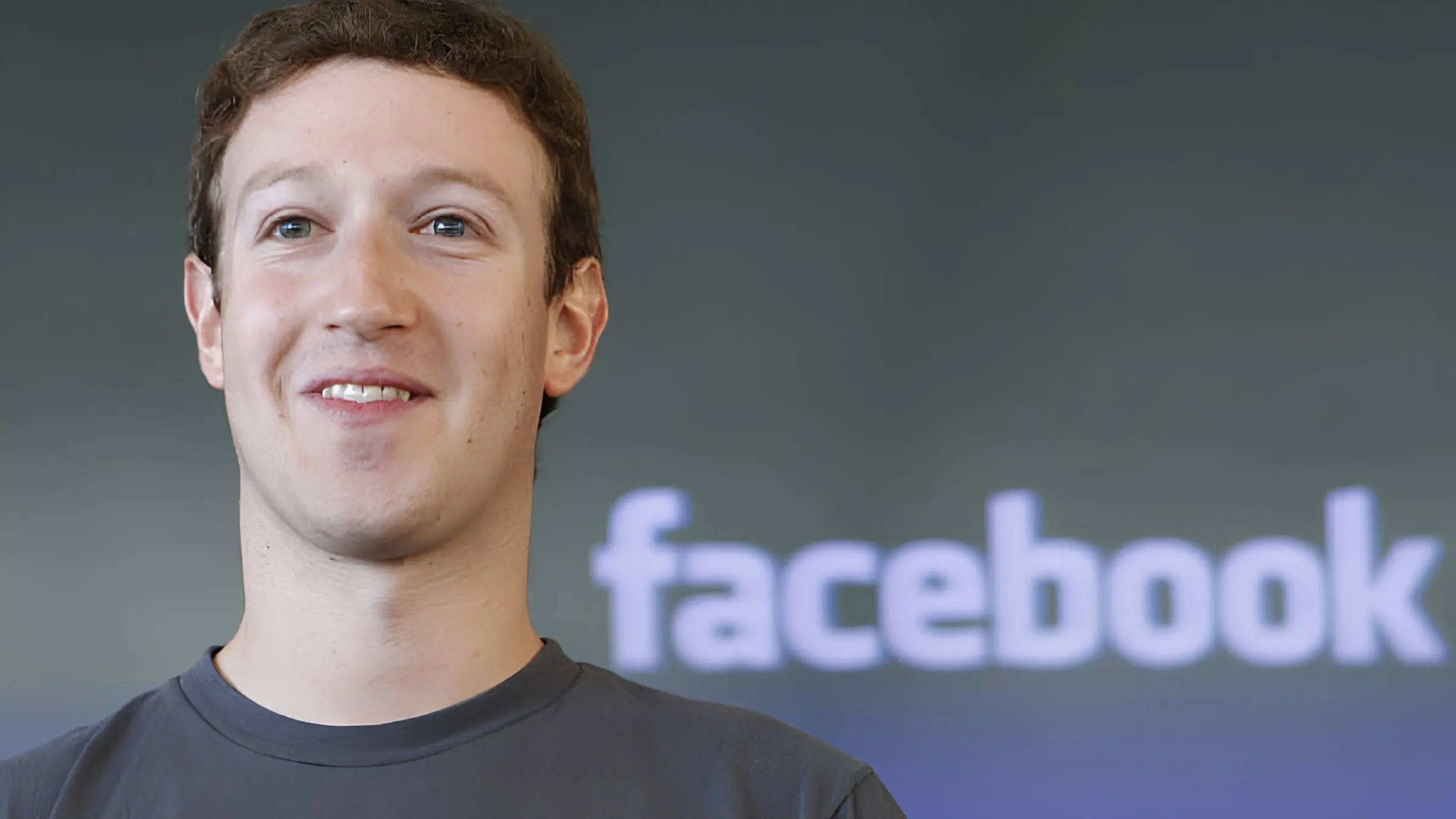
Meta’s aggressive push into artificial intelligence has brought internal tensions to the surface. At the center of it is CEO Mark Zuckerberg and Alexandr Wang, the 28-year-old AI entrepreneur who became Meta’s highest-paid employee after joining the company. A recent reshuffle in Meta’s reporting structure subtle but significant suggests that the partnership is under strain. With billions at stake and AI shaping Meta’s future, the clash highlights how ambition, control, and vision don’t always move in sync.
Author : Aashiya Jain | EQmint | Fintech News
A $14-Billion Statement of Intent
When Mark Zuckerberg brought Alexandr Wang into Meta, it wasn’t a routine hire it was a declaration. Wang, founder of Scale AI, joined Meta with a compensation package reportedly valued at around $14 billion, making him the highest-paid executive in the company’s history.
At just 28 years old, Wang was tasked with leading Meta’s most ambitious effort yet: building artificial general intelligence and “superintelligence” systems capable of competing with heavyweights like OpenAI and Google DeepMind.
The message was clear Meta was willing to spend big to secure the future.
Different Ideas of What AI Should Do
However, beneath the bold announcement, cracks soon began to appear.
According to reports, internal disagreements surfaced in late 2024, when senior Meta leaders debated how Wang’s AI models should be deployed. Some executives pushed for immediate integration into Meta’s core products Facebook, Instagram, and WhatsApp which together serve over 3 billion users worldwide.
Wang, however, reportedly argued that Meta first needed world-class foundational models, even if that meant slower commercial rollout. His view was simple: without strong AI at the core, short-term gains wouldn’t matter in the long run.
What started as strategy discussions gradually turned into friction.
A Leadership Style That Felt Restrictive
Zuckerberg is known for his deep involvement in Meta’s operations, especially during pivotal moments. But sources suggest that Wang found this level of oversight increasingly difficult.
Despite being hired to think independently, Wang reportedly described the environment as “suffocating,” feeling that his autonomy was being limited. This is particularly striking given that Zuckerberg chose Wang precisely because of his youth and bold thinking.
The irony wasn’t lost on those inside Meta.
Reshuffle That Spoke Volumes
The tension became more visible in January 2026, when Zuckerberg announced a change in Meta’s internal structure.
A newly created unit called Meta Compute which oversees AI infrastructure and computing power was moved to report directly to Zuckerberg, rather than through Wang. Key leaders such as Santosh Janardhan and Daniel Gross were placed under this new reporting line.
On paper, Wang still leads AI research. In practice, control over the infrastructure that powers AI data centers, compute strategy, and scale now sits firmly with the CEO.
For many inside Meta, this was seen as a clear signal.
Fallout Inside the AI Ranks
Leadership tension rarely stays contained. Several senior AI figures reportedly struggled with the new structure. Notably, Yann LeCun, Meta’s chief AI scientist and a Turing Award winner, chose not to report under Wang, raising eyebrows across the industry.
Other teams felt pressure to accelerate launches, including AI-driven features like “Vibes,” sometimes before they were fully ready. Employees described a culture where speed mattered more than stability.
In an industry already facing intense competition for talent, these internal strains risk pushing people away.
Why the Stakes Are So High
Meta isn’t experimenting it’s all in. The company has committed tens of billions of dollars annually to AI infrastructure, chips, and research. At the same time, rivals like Microsoft and OpenAI are aggressively recruiting top AI talent, reportedly maintaining “most-wanted” lists that include Meta employees.
Adding to the pressure, Meta recently revamped its performance review system, tightening expectations and increasing rewards for top performers a move that has intensified internal competition.
A Relationship at a Turning Point
This isn’t just a corporate disagreement. It’s a human clash between two powerful visions.
On one side is Zuckerberg, the founder-CEO determined to protect Meta’s business and maintain control. On the other is Wang, a 28-year-old AI leader carrying the weight of a $14-billion bet and the expectations of reshaping Meta’s future.
Whether this partnership finds balance or continues to strain could define Meta’s place in the AI race for years to come.
For now, the numbers are massive, the ambitions even bigger, and the tension impossible to ignore.
For more such information : EQmint
Resource Link : TOI