
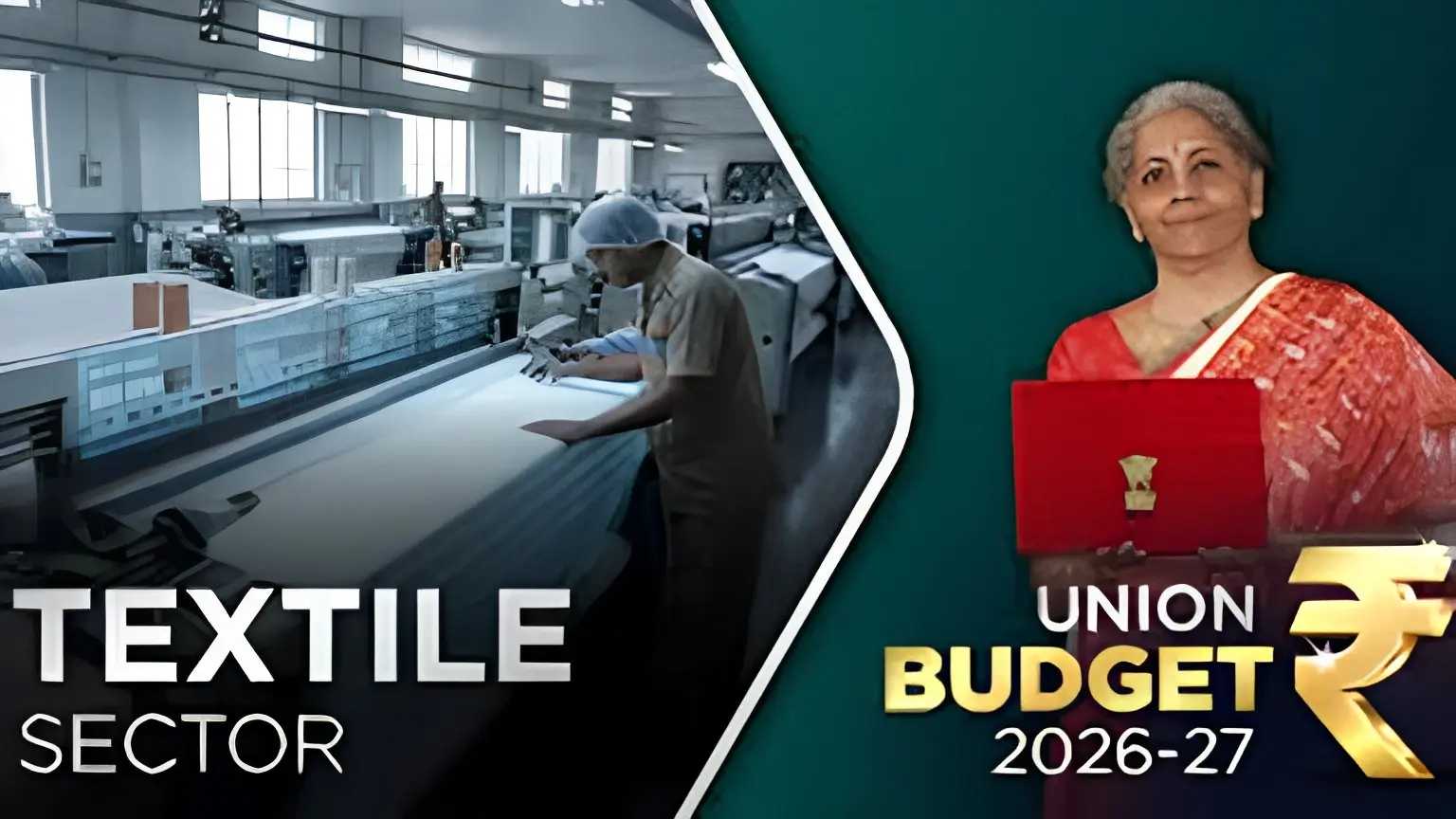
Textile Insights is a leading Indian publication dedicated to the textile and apparel industry, providing in-depth news, analysis and trends that help businesses, policymakers and investors make smarter decisions in a fast-evolving sector. In the backdrop of India’s Union Budget 2026-27, which introduced a suite of measures to strengthen the textile value chain from fibres to exports, handlooms to technical fabrics the role of dedicated industry platforms like Textile Insights has become even more relevant. This article explores what Textile Insights is, how it serves the industry and why the textile sector is poised for transformation in 2026.
Author: Aashiya Jain | EQMint | Budget 2026
What Is Textile Insights?
Textile Insights is an online news portal and industry publication focused on the global and Indian textile and apparel sectors. With contributions from seasoned professionals and experts with more than 25 years of experience, the platform publishes news updates, trend reports, policy analysis, technological developments and corporate movements in textiles and related markets. Its editorial mission is to keep industry stakeholders informed, involved and inspired by delivering insightful journalism that goes beyond headlines.
Based in Mumbai, Textile Insights covers a wide spectrum of topics from cotton and yarn markets to machinery innovations, sustainability trends to policy shifts, and national industry news to global trade developments. It serves manufacturers, exporters, designers, investors and policymakers alike, helping them understand the forces shaping the textiles ecosystem.
Why Textile Insights Matters Now
The timing for dedicated industry reporting could not be more urgent. The textile and apparel sector contributes around 2.3% to India’s GDP, provides employment to millions of workers nationwide, and plays a vital role in exports and industrial production. Yet it has historically faced challenges such as outdated infrastructure, fragmented value chains and stiff global competition.
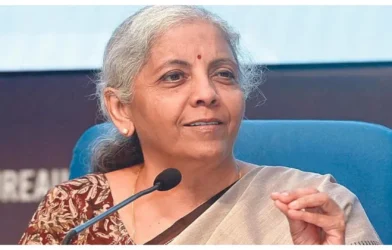
India’s Union Budget 2026-27, presented by Finance Minister Nirmala Sitharaman, unveiled a comprehensive integrated program for the textile sector the kind of multi-layered policy shift that industry observers had long awaited. Among the key measures are:
- National Fibre Scheme to boost self-reliance in natural and advanced fibres, like silk, wool and jute.
- Textile Expansion and Employment Scheme to modernize traditional clusters, upgrade technology and improve testing and certification infrastructure.
- National Handloom and Handicraft programme to strengthen support for weavers and artisans.
- Tex Eco Initiative to promote sustainable and globally competitive textiles.
- Samarth 2.0, a revamped skilling ecosystem to align education and industry needs.
These announcements signal a deepening policy focus on modernizing the entire textile value chain, from raw material production to global market access far beyond isolated subsidies or support schemes.
A Platform for Informed Decisions
Textile Insights plays a key role in helping stakeholders make sense of such policy shifts. Recent articles from the site spotlight pressing industry conversations:
- Innovations in sustainability and recycling, such as new waste management startups.
- Calls from industry bodies for customs reform and duty rationalization to make Indian textiles more competitive.
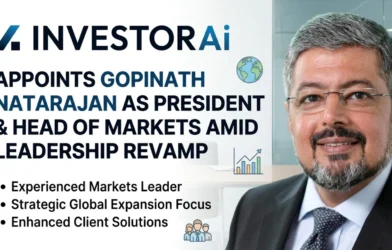
- Corporate developments, such as leadership changes and technology adoptions in textile firms.
By curating thoughtful reporting on these issues, Textile Insights helps firms prepare for global challenges like shifting supply chains, competition from Bangladesh and Vietnam, and rising demand for technical textiles.
Connecting Industry, Innovation and Opportunity
The textile sector is experiencing a period of rapid evolution, driven by digital transformation, sustainability expectations and changing consumer preferences. India’s policy push in 2026 reflects both longstanding priorities such as traditional handloom preservation and forward-looking goals like smart textile production and integrated global engagement.
In such a dynamic environment, industry publications like Textile Insights serve as more than information sources they become strategic partners for companies looking to innovate, expand and compete on the global stage. By providing reliable data, expert analysis and real time updates, the platform helps stakeholders navigate the complexities of domestic reforms and international markets.
Looking Ahead
The textile industry in India stands at a crossroads. With supportive policies, improved infrastructure financing and a growing emphasis on exports, the sector has the potential to scale new heights in the coming years. What’s needed alongside these structural engines is knowledge, clarity and foresight precisely the kind of insight that platforms like Textile Insights aim to deliver.
As the sector expands, integrating sustainable practices, modern technology and skilled talent, informed analysis will become even more critical bridging the gap between policy intentions and on the-ground reality, and empowering India’s textile community to weave its growth story in 2026 and beyond.
For more such budget updates visit EQMint
Resource Link : TextileInsights
Disclaimer: This article is for informational and educational purposes only. Budget proposals and tax changes are subject to legislative approval, rules, and notifications. Readers are advised to consult qualified tax, legal, or financial professionals before making any decisions.