

India has reiterated its stance on energy sourcing, emphasising the continuity of Russian oil supplies while navigating evolving global market conditions and international pressures particularly from the United States. With energy security for its 1.4 billion citizens at the core of policy discussions, Commerce and Industry Minister Piyush Goyal has underscored that New Delhi’s decisions on oil imports are driven by national interest, economic rationale and diversification goals rather than unilateral commitments. The debate has gained traction amid US-India trade negotiations and global debate over Russia’s invasion of Ukraine.
Author : Aashiya Jain | EQmint | Market News
Energy Security Above All Else
In a statement delivered to Parliament, Piyush Goyal made India’s priorities unmistakably clear: “Energy security of 1.4 billion Indians is the government’s supreme priority” and ensuring that any change in crude suppliers will not lead to higher prices at the pump for ordinary consumers.
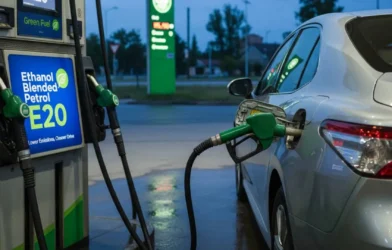
This emphasis on safeguarding everyday energy affordability captures the central challenge India faces balancing domestic demand with geopolitical pressures and shifting global supply chains. Oil is the lifeblood of India’s economy, powering transportation, industry and agriculture, and the government has repeatedly maintained that strategic decisions around crude imports must align with broader economic stability.
What India Has Said : Carefully, But Clearly
The government’s approach has been measured and deliberate in tone. In response to claims from abroad especially after a high-profile US India trade deal announcement that linked tariff benefits to supposed shifts in oil sourcing officials have kept the focus on pragmatism.
A government spokesperson reiterated: decisions on oil imports are made in light of “objective market conditions and evolving international dynamics,” emphasising that diversification, not abrupt cuts, is part of India’s strategy to secure its energy future.
India has also signalled openness to exploring commercial opportunities from other sources, including Venezuela, provided they are economically viable. This reflects a long-standing willingness to broaden supply options while still putting consumer impact and market fundamentals first.
Russian Oil Still on the Table But Context Matters
Despite political chatter and international expectations, New Delhi has not issued directives to state refiners to stop buying Russian crude. In practical terms, that means existing contracts and supply lines are still active, and refiners will likely need time to adjust if sourcing patterns change significantly a “wind down period” that doesn’t happen overnight.
It’s also true that Russia is not India’s only oil supplier. For decades, India has imported crude from multiple regions including the Middle East and Africa, which is why Moscow’s government has described India’s diversification plans as nothing unusual. Russia’s stance highlights that India’s energy strategy has historically embraced a variety of sources, with Russia simply one among many partners.
The U.S. Angle and Diplomatic Pressure
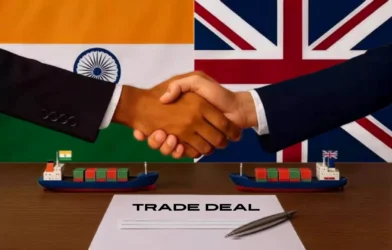
Recent US-India discussions have stirred global attention. US leaders have pushed for a reduction in Russian oil purchases as part of broader geopolitical objectives. In response, and following an interim trade deal that adjusted tariffs, some narratives suggested India had agreed to halt Russian oil imports.
India’s government, however, has not publicly confirmed a halt in Russian oil purchases only a broader commitment to diversify energy sources where feasible. This points to a classic diplomatic balancing act: maintaining strong bilateral relations while protecting core national interests.
What This Means for India’s Energy Future
India’s stance underscores a broader reality of today’s energy world: no single country can afford to tie its fortunes to a single supplier financially, strategically or politically. New Delhi’s emphasis on diversification, market economics and consumer impact reflects an effort to strike that balance.
Whether Russia continues to be a major supplier, or India slowly tilts toward other partners over time, the strategy will be guided by what the government considers sustainable and secure for its citizens. For now, the flow of Russian oil remains part of India’s diversified energy mix, underscoring a pragmatic and calibrated approach to global pressures and domestic needs.
For more such information: EQmint
Resource Link: TOI