
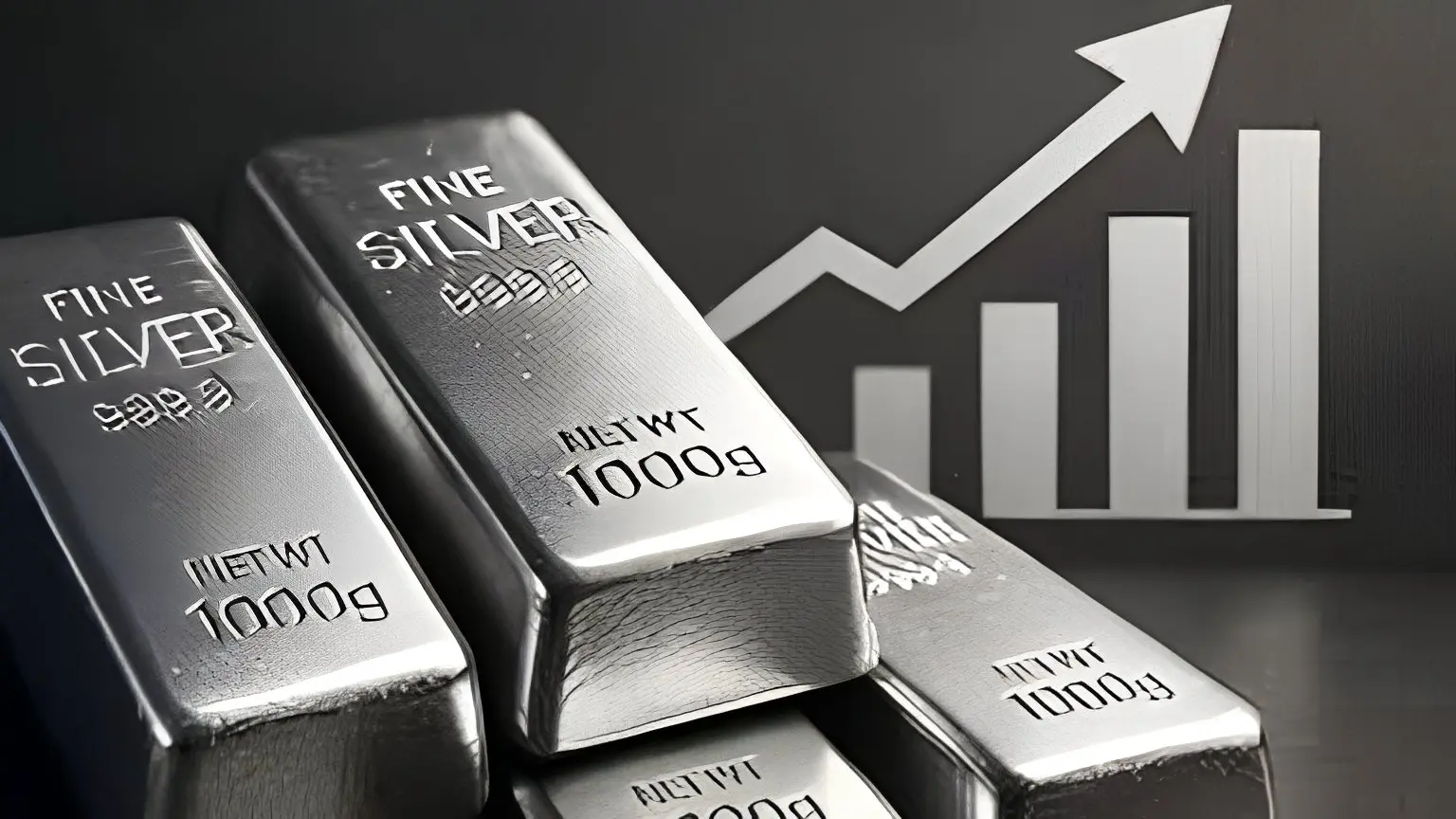
Silver, once one of the standout performers in the commodities world, has seen a dramatic reversal in recent weeks. Silver exchange traded funds (ETFs) in India have dropped about 38% in just seven trading sessions, and the price of silver today 8 February 2026 stands at around ₹2,91,900 per kilogram in Delhi and other major Indian cities, showing the extent of the correction from its recent peaks. This sharp fall has taken investors by surprise, prompting questions about whether the downturn is a mere correction or a deeper shift in sentiment.
Author : Aashiya Jain | EQmint | Market News
A White Metal Rollercoaster
A few weeks ago, silver was experiencing record-breaking highs. Strong demand, safe haven inflows, and retail investor interest had driven prices sharply upward, with some benchmarks crossing previously unimaginable levels. But markets are rarely linear. What followed was a swift reversal that exposed both the volatility inherent in precious metals and the impact of leveraged trading positions in ETFs.
According to recent market updates, silver ETFs in India which are funds backed by physical silver plunged nearly 38% from their late January peak within a week. This extraordinary decline was triggered by a combination of higher margin requirements, widespread profit booking and a shakeout of leveraged bets in the market. Many investors who had jumped on the rally saw gains vanish quickly as prices tumbled and leveraged positions unwound.
Today’s Prices: How Far Have They Fallen?
As of 8 February 2026, silver prices in India reflect the broader correction seen globally:
- Silver price per kilogram: ₹2,91,900 in Delhi and most major cities.
- Silver price per 100 g: ₹29,190.
- Silver price per gram: ₹291.
These levels while significantly lower than recent peaks in early February are still historically elevated compared with years past. But the sharp drop over a short period illustrates how quickly sentiment can shift in commodities markets, especially in a metal like silver that combines industrial demand with investment appeal.
Why the Rapid Sell Off?
Several factors contributed to this sharp descent:
- Profit-Taking and ETF Liquidation: After silver spiked in late January, many investors locked in gains. As prices turned, the unwinding of leveraged positions particularly in ETFs accelerated the slide.
- Stronger U.S. Dollar: A firmer dollar often puts pressure on commodities priced in USD, making them more expensive for holders of other currencies and dampening demand.
- Shift in Global Risk Sentiment: When risk assets rally such as equities safe-haven metals sometimes lose some of their appeal. This rotation can reduce inflows into silver and intensify outflows.
- Market Mechanics: Silver markets are smaller and more thinly traded than gold, making them more sensitive to momentum swings. Sharp moves in one direction can produce outsized reactions.
What This Means for Investors
The silver slump has different implications for different players:
- Short-Term Traders: Those who entered near the peak have likely suffered losses as the metal’s price retraced. Rapid market swings mean timing matters and corrections can be swift and unforgiving.
- Long-Term Investors: For those with a long horizon, some analysts argue that corrections are part of the price discovery process. If industrial demand for silver remains strong, the metal could regain upward momentum over time.
- ETFs vs. Physical Silver: ETFs can exaggerate price movements because they sometimes trade at a premium or discount relative to the underlying metal. Physical silver may behave differently, offering a buffer against short term technical selling in paper markets.
Is Now a Good Time to Buy?
This question has become a common refrain among investors watching silver’s wild ride. Opinions vary:
- Some market watchers view the downturn as a technical correction a buying opportunity for those who missed the earlier rally, especially if prices settle and fundamentals remain intact.
- Others caution that volatility remains high, and investors should consider risk tolerance carefully before making fresh commitments.
Analysts suggest that disciplined approaches such as staggered buying or systematic investment plans may be more appropriate than lump sum bets in such a volatile market.
Looking Ahead: A Key Commodity to Watch
Silver’s recent price action dramatic drops, sudden rebounds and ETF instability underscores how interconnected global markets have become. From macroeconomic forces like currency movements to investor psychology and trading structures, multiple factors influence where this white metal goes next.
What is clear is this: silver’s path forward will be watched closely by investors, traders and analysts alike not just for its intrinsic value, but also for what it reveals about sentiment in the broader commodities and financial markets.
For more such information: EQmint
Resource Link: TOI