
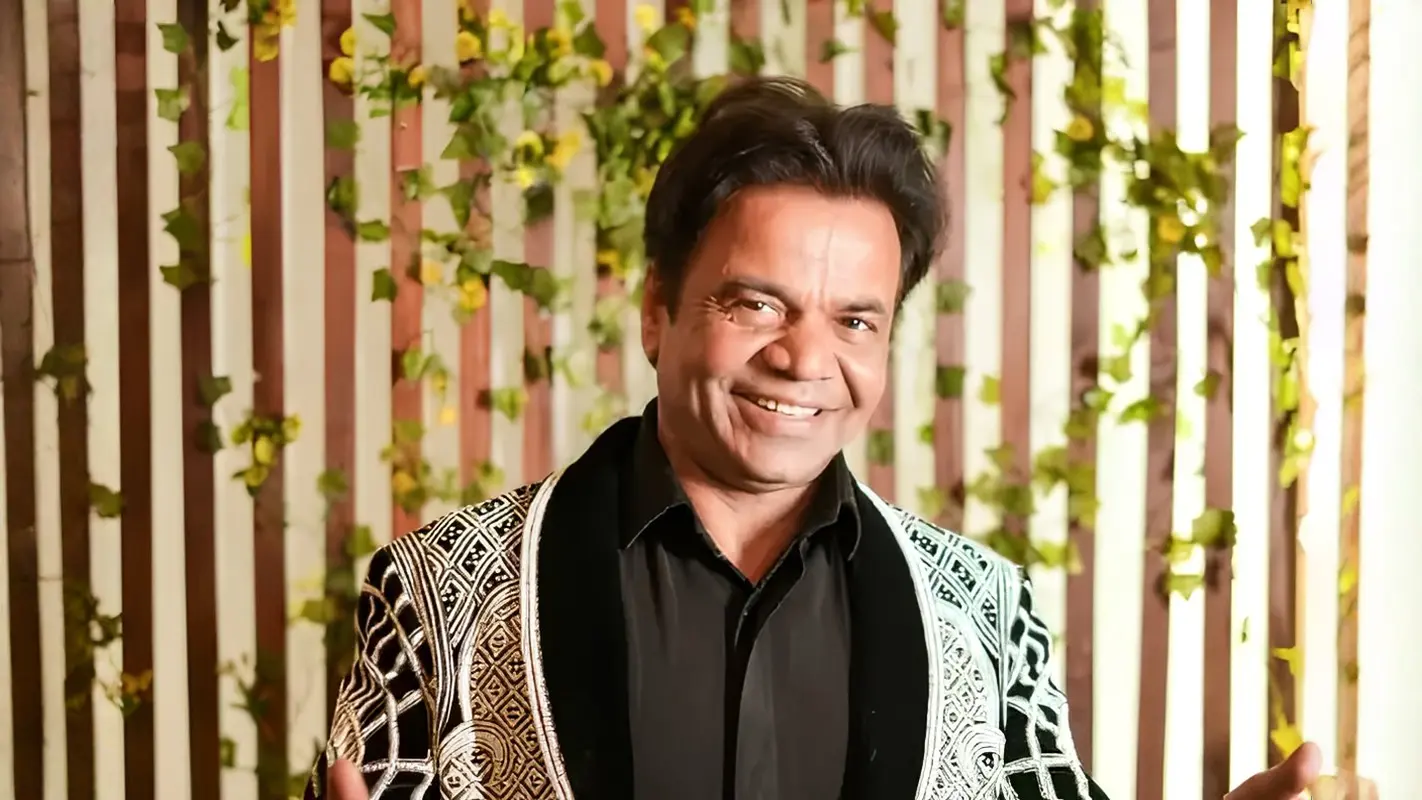
Bollywood actor Rajpal Yadav surrendered to Tihar Jail after the Delhi High Court refused to extend his deadline in a long-running cheque bounce case. Fellow actor Sonu Sood has since come forward in support, offering both work and financial help during Yadav’s difficult time.
Author: Samir Jain | EQMint
Veteran Bollywood actor Rajpal Yadav surrender was among the most talked-about entertainment news in early February 2026, as the actor handed himself over to authorities at Tihar Jail. This came after the Delhi High Court declined to extend the deadline related to his Rajpal Yadav cheque bounce case, which stems from a long-running financial and legal dispute dating back over a decade.
Yadav’s surrender took place after repeated delays in compliance with court orders. He appeared before the jail authorities in New Delhi’s Tihar complex on February 5, 2026, fulfilling the High Court’s directive after earlier attempts to seek more time were rejected.
What led to the surrender: Understanding the cheque bounce case
The Rajpal Yadav cheque bounce case originates from loans taken by the actor in 2010 to finance his directorial debut film Ata Pata Laapata. Yadav borrowed approximately ₹5 crore from Murali Projects Pvt Ltd and later failed to repay the dues on time, resulting in multiple bounced cheques.
Following the failure of the film and prolonged inability to settle repayments, the lending firm pursued legal action. In 2018, both Rajpal Yadav and his wife were convicted under Section 138 of the Negotiable Instruments Act and sentenced to six months’ imprisonment. Appeals followed, and court proceedings spanned several years, leading to the recent directive by the Delhi High Court to surrender and serve the sentence.
The court’s firm stance — refusing further extensions despite Yadav’s repeated requests — signaled a strict enforcement of legal procedures, underlining that popular stature does not exempt one from judicial accountability.
Emotional statement and personal struggles
Before turning himself in, Rajpal Yadav made a heartfelt statement reflecting on his personal and financial challenges. In emotional remarks reported by multiple outlets, he said he had no money left and faced the situation with a sense of isolation and helplessness, highlighting the harsh realities of his current predicament amid ongoing Rajpal Yadav legal troubles.
The actor’s words — expressing there were “no friends” and that he had to face the consequences alone — resonated widely across social and news media, drawing empathy from fans and industry peers alike.
Industry support: Sonu Sood steps in
In a notable show of solidarity, senior actor Sonu Sood publicly expressed support for Rajpal Yadav during this turbulent period. Sood took to social media to urge fellow filmmakers, actors, and producers to stand together for Yadav, emphasising that help offered should be considered an act of respect and professional support, not mere charity.
As part of his support, Sood reportedly offered Yadav a role in a future project alongside a signing amount, sparking widespread discussion about community backing within Bollywood during times of personal crisis.
Impacts on career and public perception
The situation surrounding Rajpal Yadav Tihar Jail surrender has raised questions about the interplay of legal accountability, financial management, and the volatility of careers in the Indian film industry. Yadav, known for his comedic roles in films like Phir Hera Pheri and Chup Chup Ke, has faced fluctuations in film offers over the years, a situation further intensified by extended court battles and reputational challenges tied to this case.
Despite these obstacles, Yadav’s contributions to Hindi cinema remain widely acknowledged, and responses from both fans and industry figures reflect a nuanced blend of respect for his craft and concern for his present hardships.
Legal context and broader implications
Cheque bounce cases under Section 138 of the Negotiable Instruments Act are treated seriously under Indian law, with provisions for both financial restitution and criminal liability. Courts often aim to balance enforcement with fairness, but repeated non-compliance can trigger mandatory consequences — as seen in Yadav’s recent surrender.
The Delhi High Court’s refusal to grant further relief underscores a judiciary increasingly unwilling to extend leniency in cases where procedural requirements have been disregarded, regardless of the individual’s public profile.
Conclusion: A pivotal moment in a challenging phase
The Rajpal Yadav surrender at Tihar Jail marks a significant chapter in the veteran actor’s ongoing legal and financial narrative. From a promising career filled with memorable roles to complex legal disputes, the recent developments have brought renewed public attention and industry conversations about support, responsibility, and resilience.
With fellow professionals rallying behind him and fans watching closely, Rajpal Yadav’s journey in the immediate future will likely be shaped not just by court orders but by the collective sentiment of an industry navigating empathy and accountability.
For more such news visit EQMint
Disclaimer: This article is based on publicly available news reports and verified sources. It is intended for informational purposes only and does not constitute legal, financial, or professional advice. All details are subject to change as more information becomes available or if further legal developments occur.