
Author : Aashiya Jain | EQmint Originals | EQ Exclusive News
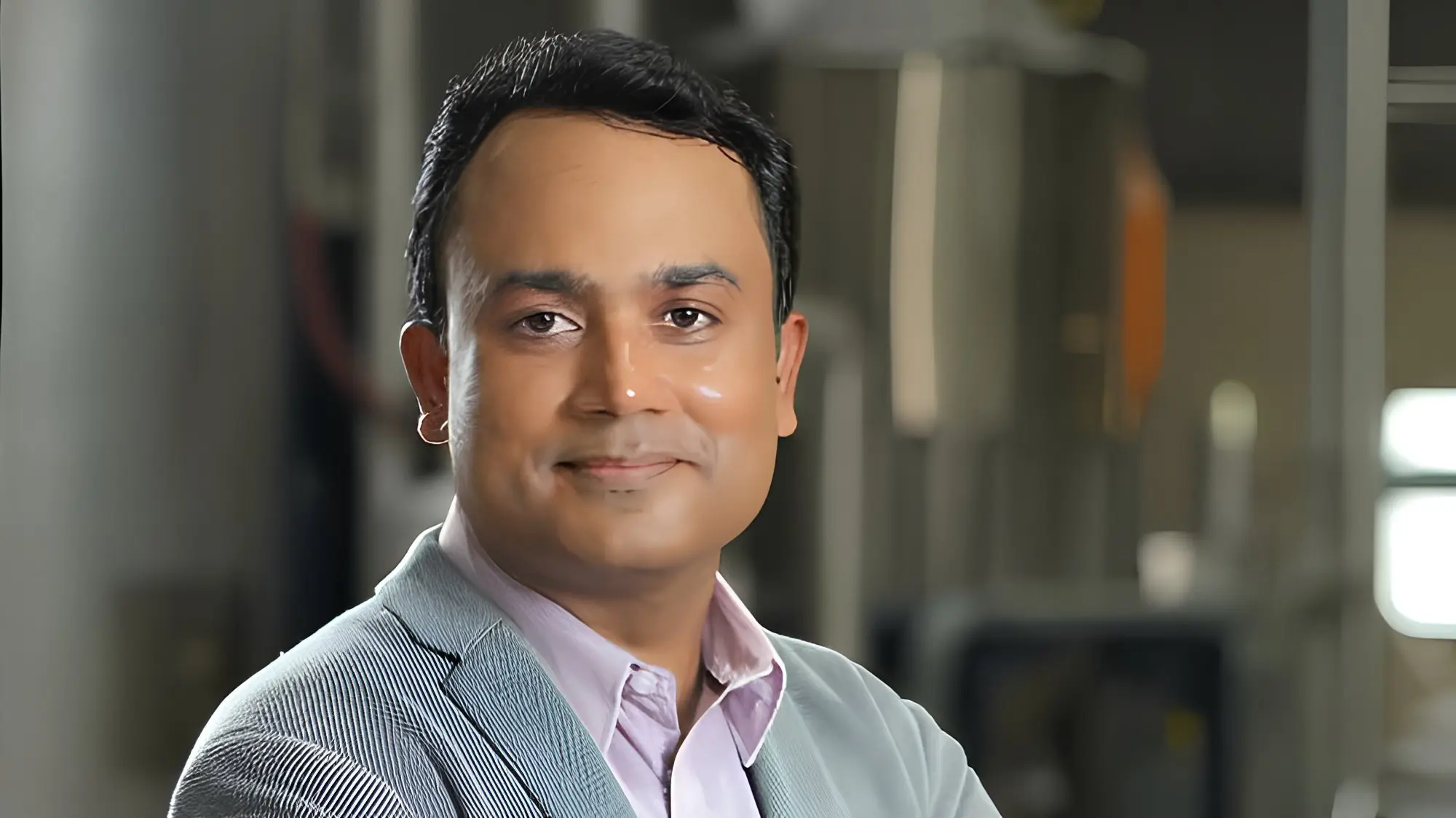
In this insightful conversation Mani Vajipey Managing Director and Co-founder of Banyan Nation opens up about his journey from Silicon Valley to Hyderabad and how he built one of India’s most advanced plastic recycling companies. He explains the company’s “Amul like” model for organizing waste collectors its proprietary technology that produces human-contact safe recycled plastic and why he believes India is currently the most investable market for the circular economy.
History of the Banyan Nation
When Mani Vajipey decided to leave behind a successful career in Silicon Valley it wasn’t an impulsive move, it was a deeply personal one “I wanted to do something for India and I quit my career back in Silicon Valley and I moved back to Hyderabad to launch Banyan Nation” he says.
That decision marked the beginning of a mission to solve one of India’s most pressing environmental challenges: plastic waste Banyan Nation was founded with a simple yet powerful idea, bring structure quality and accountability to plastic recycling. At the heart of the company’s model is what Mani describes as the “Amul of plastic”.
Much like Amul organized dairy farmers into a reliable and standardized supply chain Banyan Nation organizes thousands of informal waste collectors or kabadiwalas across cities. These collectors gather plastic waste based on clearly defined quality standards ensuring traceability and consistency. This approach does more than improve efficiency, it transforms an unorganized ecosystem into a dependable supply network It also empowers the informal sector by integrating them into a formal value driven system But collection is only half the story.
One of the biggest hurdles in plastic recycling has always been quality “If you were a brand you could not use recycled plastic because the quality and the traceability of materials was not there. Those were the market challenges that we worked on solving”. Mani explains Banyan Nation invested heavily in proprietary washing systems and polymer engineering processes designed to remove up to 90% of contaminants such as labels adhesives and inks.
The result Recycled plastic granules that are safe for human contact and meet the demanding standards of leading consumer brands. Today these granules are used to manufacture everyday products like shampoo bottles lotion tubes and packaging films, items that sit on store shelves and in households across India. Currently operating at a processing capacity of around 12000 to 15000 tons Banyan Nation has set its sights on a much bigger goal.
Over the next three years the company plans to scale up to 50000 tons by establishing multiple factories across South India It’s an ambitious expansion but Mani believes the ecosystem is finally ready. According to him India offers what he calls a “holy trifecta” for recycling.
Holy trifecta for the recycling
First relatively low energy costs make large scale processing viable Second the high cost of virgin plastic makes recycled alternatives economically competitive Third, and most importantly, India has implemented advanced Extended Producer Responsibility (EPR) regulations which require brands to take responsibility for the plastic they introduce into the market.
This regulatory push is accelerating demand for certified recycled materials For Mani however the journey is about more than growth numbers. It’s about purpose “Solving problems is hard… if you want to live a life worth living solve hard problems. Build companies that have integrity and quality as the fundamental framework” he advises Banyan Nation’s story is ultimately one of conviction, of choosing impact over comfort quality over shortcuts and long-term vision over quick wins.
In doing so Mani Vajipey is not just recycling plastic; he’s helping reshape how India thinks about waste responsibility and sustainable growth.
For more such information : EQmint
Resource Link : Youtube