
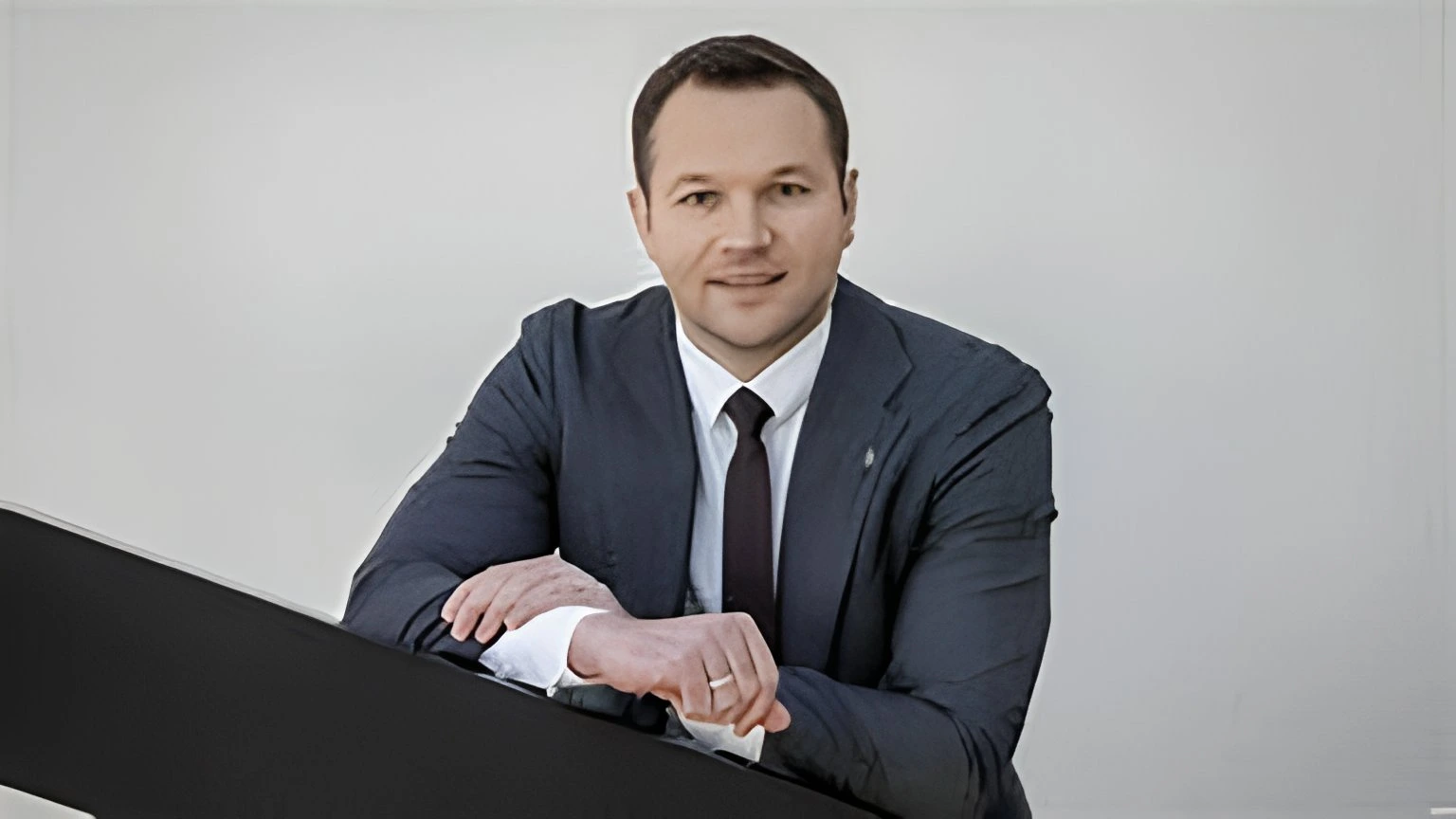
At the India AI Impact Summit 2026 in New Delhi, Edvinas Grikšas, Lithuania’s Economy and Innovation Minister, offered high praise for India’s leadership in artificial intelligence (AI) and highlighted growing opportunities for international collaboration. Grikšas described “New Delhi, India, as the heart of AI” capturing the global attention AI summit has attracted with participation from leaders across the European Union and beyond. He also voiced strong support for the India European Union free trade agreement (FTA), noting that it could deepen cooperation not only in trade but in innovation and technology sectors such as AI.
Author: Aashiya Jain | EQMint | Events
India’s Rising AI Spotlight: Praise From Lithuania
Speaking to media on the sidelines of the summit, Lithuania’s Economy and Innovation Minister Edvinas Grikšas set a positive tone for India’s role in the global AI landscape:
“Actually, today, New Delhi, India, is the heart of AI. We can see leaders from all the countries, from the European Union, globally… so excellent event. I’m very happy to be part of it.”
Grikšas’s remarks reflected an encouraging global sentiment toward India’s ambitious push in artificial intelligence. The summit, one of the largest international gatherings focused on AI this year, brought together policymakers, tech leaders, and innovators from around the world to discuss governance, ethical AI deployment, data protection, and collaborative innovation.
AI as a “Horizontal Breakthrough Technology”
The Lithuanian minister highlighted AI’s wide-ranging potential across sectors from biotechnology and the public sector to manufacturing and private enterprise. Grikšas described AI as a “horizontal breakthrough technology”, underlining the need for global cooperation and shared development.
He pointed out that Lithuania has been actively building out its AI ecosystem domestically, including initiatives such as:
- An AI factory
- A regulatory AI sandbox
- A national AI strategy in preparation
These efforts aim to provide long-term direction and governance frameworks for AI deployment within the Baltic nation.
Grikšas also saw clear complementarities between India and Lithuania. “We have some niche technologies in Lithuania, India is very powerful in the field of AI,” he said. “So we can always complement each other. AI is about cooperation between countries, so that’s where we should move.”
Backing the India EU Free Trade Agreement
Grikšas didn’t limit his remarks to technology alone. When asked about the broader implications of the India EU Free Trade Agreement, he emphasized that such frameworks would enhance collaboration beyond conventional commerce:
“It helps, it helps a lot, you know, because it’s not only about … some kind of manufacturers, but it’s about cooperation in general. So yeah, we are positive about this, and it will help us to work in the AI field also, I guess.”
This endorsement aligns with the growing view among European leaders that the trade deal long negotiated and recently concluded can foster deeper economic ties, boost investment flows, and create new opportunities for technological cooperation between India and EU nations.
The trade pact’s promise to cut tariffs on a wide range of goods and services while facilitating market access on both sides lays a foundation for closer integration in sectors such as digital services, AI tools, data exchange, and high-tech manufacturing.
Summit Context: A Global AI Conversation
The India AI Impact Summit 2026 has emerged as a key moment on the global technology calendar. Hosted in Bharat Mandapam, New Delhi, the event has drawn participation from more than 110 countries and 30 international organisations, including heads of state, policymakers, business leaders, and AI researchers.
The multi-day forum is designed not just for showcase speeches but for substantive engagement on issues such as:
- AI safety and governance
- Ethical and responsible AI development
- Data protection and sovereign AI capabilities
- Future of work in an AI-driven world
These discussions are interwoven with dialogues on economic policy, trade frameworks like the FTA, and collaborative R&D ventures underscoring the summit’s role as a nexus of technology and geopolitics.
Why This Matters for India and Europe
Grikšas’s praise carries symbolic weight. His characterization of New Delhi as the “heart of AI”, even if momentary, reflects broader international optimism about India’s potential to shape future technology norms and partnerships.
India’s AI ecosystem propelled by its large talent pool robust digital infrastructure and growing base of startups and research institutions naturally attracts global interest. Combined with the momentum from newly concluded trade deals including the India-EU FTA the country is positioning itself as a crucial partner in global innovation networks.
Ultimately the dual messages from the summit, that AI thrives on cooperation and that trade frameworks can catalyse deeper ties, point to a future where technology and economic diplomacy go hand in hand creating shared opportunities for nations across continents.
For more such information visit EQMint
Source link: MINT