

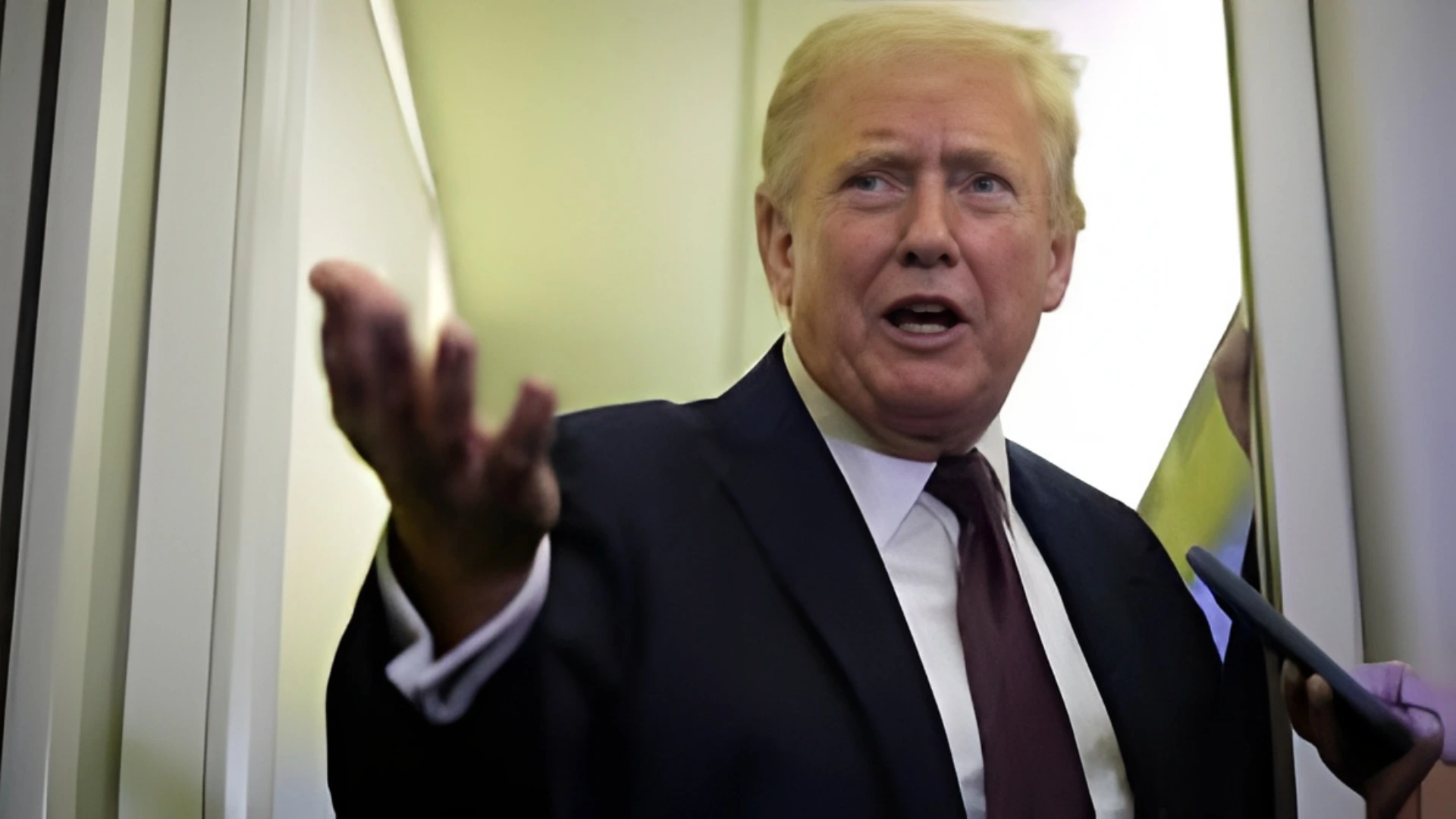
US President Donald Trump has postponed planned strikes on Iranian power plants for five days, citing “productive” talks. Iran, however, denies negotiations as tensions remain high.
Author: Aditya Pareek | EQMint
In a major development in the ongoing Iran-Israel conflict, US President Donald Trump has announced a five-day postponement of planned military strikes on Iranian power plants, citing ongoing diplomatic discussions.
Trump stated that there have been “very good and productive conversations” with Iran and claimed that Tehran is eager to strike a deal, signaling a possible de-escalation in the region.
Iran Denies Any Talks
Despite Trump’s claims, Iranian officials and state media have denied any direct or indirect negotiations with the United States, calling the announcement misleading.
Some Iranian outlets even portrayed the delay as a strategic retreat by the US, suggesting fear of retaliation.
Rising War Tensions
The conflict began on February 28, 2026, following joint US-Israel strikes on Iran, which triggered widespread retaliation across the region.
Key developments include:
- Iranian missile and drone attacks across the Middle East
- Threats to target energy infrastructure
- Closure of the Strait of Hormuz, disrupting global oil supply
Global Impact: Markets React Positively
The postponement has had an immediate impact on global markets:
- Stock markets surged globally
- Oil prices dropped sharply
- Investor sentiment improved
The easing of geopolitical tensions reduced fears of a broader conflict, leading to a risk-on rally in equities.
Why Trump Delayed the Strikes
Trump had earlier issued a 48-hour ultimatum to Iran to reopen the Strait of Hormuz or face attacks on its energy infrastructure.
However, following recent discussions, he announced:
The US would delay strikes for five days depending on the progress of negotiations.
This move is being seen as an attempt to:
- Avoid escalation
- Stabilize global markets
- Open diplomatic channels
What Happens Next?
The situation remains highly volatile, with key factors to watch:
- Whether talks between the US and Iran actually materialize
- Iran’s response to the delay
- Oil price movements
- Further military actions in the region
Experts warn that any sudden escalation could reverse market gains instantly.
Expert Insight
Analysts believe this temporary pause could signal a shift toward diplomacy, but caution that the lack of confirmed talks makes the situation uncertain.
Conclusion
Trump’s decision to delay strikes has provided temporary relief to global markets and reduced immediate war fears. However, with conflicting narratives from the US and Iran, the situation remains fragile.
The next five days will be crucial in determining whether the region moves toward peace talks or further escalation.
For more such information visit EQMint