

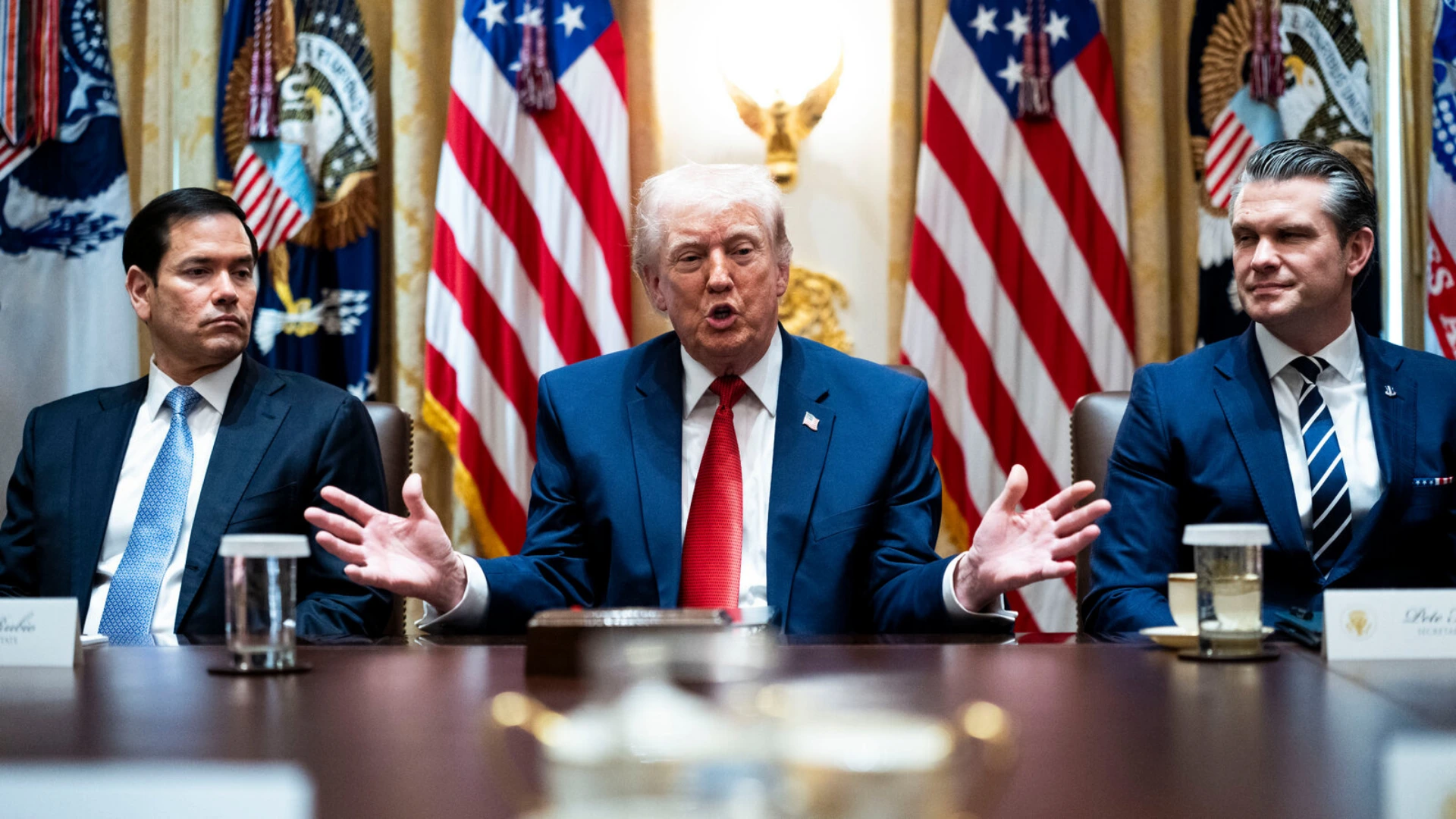
US-Iran tensions are escalating as Donald Trump extends the Strait of Hormuz deadline. Here are five strategic goals behind the move and what it means for oil prices and global markets.
Author: Aadarsh Patel | EQMint
Mumbai, March 28, 2026: Rising tensions between the United States and Iran have brought the Strait of Hormuz back into global focus. Former U.S. President Donald Trump has reportedly pushed for extending a strategic deadline linked to ensuring access through the critical oil shipping route.
While official statements remain limited, analysts suggest multiple strategic objectives behind this move. This article outlines five key goals—based on policy signals, expert commentary, and geopolitical context—while distinguishing between confirmed facts and informed interpretation.
Why the Strait of Hormuz Matters
Strait of Hormuz is one of the world’s most critical energy corridors:
- Handles nearly 20% of global oil shipments
- Connects the Persian Gulf to international markets
- Vital for countries like India, China, and Japan
Recent months have seen:
- Heightened naval activity
- Threats of disruption from Iran
- Global concerns over oil supply stability
The U.S., through its Central Command, has reiterated its commitment to maintaining open sea lanes.
Timeline and Context of the Deadline Extension
- Initial U.S. warnings to ensure free navigation were issued earlier in 2026
- Deadline extension signals continued diplomatic and military pressure
- No formal declaration of war, but escalating strategic positioning
Official updates from agencies like the U.S. Department of Defense and international monitoring bodies remain limited, making some interpretations subject to analysis.
Five Strategic Goals Behind the Move
1. Ensuring Uninterrupted Global Oil Supply
Objective:
Maintain stability in global energy markets by keeping the Strait open.
Implications:
- Prevent oil price spikes
- Protect supply chains for major economies
- Support global economic stability
This aligns with long-standing U.S. policy of securing maritime routes.
2. Increasing Pressure on Iran
Objective:
Use deadline extensions as leverage to push Iran toward compliance with international norms.
Implications:
- Intensifies diplomatic pressure
- Signals readiness for escalation
- May impact ongoing negotiations
Note: This goal is inferred from strategic patterns and remains partly analytical.
3. Demonstrating Military Readiness
Objective:
Project U.S. naval strength in the region.
Implications:
- Reinforces deterrence against disruptions
- Reassures allies in the Gulf
- Raises regional tensions
The U.S. Navy has increased its presence in key maritime zones.
4. Strengthening Alliances in the Region
Objective:
Coordinate with allies such as Saudi Arabia and UAE to maintain regional stability.
Implications:
- Enhances coalition-based security
- Aligns strategic interests in energy security
- Counters Iranian influence
This reflects broader U.S. geopolitical strategy in the Middle East.
5.Influencing Domestic and Global Political Narrative
Objective:
Position the U.S. leadership as proactive on global security issues.
Implications:
- Shapes international perception
- Impacts domestic political discourse
- Signals strong leadership stance
Note: This objective is partly speculative and based on political analysis.
Broader Implications for Markets and Global Economy
- Oil prices may remain volatile
- Shipping and insurance costs could rise
- Emerging markets like India may face import cost pressures
Global investors are closely monitoring developments in the Strait of Hormuz due to its direct impact on energy markets.
What to Watch Next
- Official U.S. policy announcements
- Iranian response and naval activity
- Oil price movements
- Diplomatic engagements through global bodies
Updates from the U.S. Department of Defense and international energy agencies will be key indicators.
Conclusion
The extension of the Strait of Hormuz deadline reflects a complex mix of energy security, geopolitical strategy, and military signaling. While some goals are clearly aligned with established U.S. policy, others remain subject to interpretation as the situation evolves.
For more such information visit EQMint






War Tensions Spike — Will Strait Of Hormuz Reopen Or Trigger A Bigger Conflict? – EQMint
[…] United States and Iran has intensified, with Donald Trump setting a deadline for Iran to reopen the Strait of Hormuz, a move that Tehran has strongly […]
Strait Of Hormuz Reopening Alters UK Inflation And Oil Prices
[…] https://eqmint.com/us-iran-war-trumps-strait-of-hormuz-deadline/ […]