
ONGC has begun monetising gas from its Daman project, marking a shift toward revenue realisation. The move strengthens India’s energy security while improving ONGC’s cash flow visibility.
Author: Aadarsh Patel | EQMint
Oil and Natural Gas Corporation (ONGC) has announced the commencement of gas monetisation from its Daman Upside Development Project, marking a significant milestone in India’s upstream energy sector.
While the headline highlights production progress, the deeper story lies in strategy. This move reflects a broader transition within ONGC—from capital-intensive exploration to efficient monetisation of discovered resources, a shift that could reshape how India’s largest energy company delivers value.
From Discovery to Cash Flow: Why Monetisation Matters
In the oil and gas industry, discovery is only the first step. The real value lies in how quickly and efficiently those reserves are converted into revenue.
By initiating gas monetisation from the Daman project, ONGC is:
-
- Unlocking previously untapped reserves
-
- Improving asset productivity
-
- Enhancing cash flow generation
This transition is critical at a time when investors are increasingly focused on returns and capital efficiency, rather than just production volumes.
The Daman Upside Development Project: A Key Asset
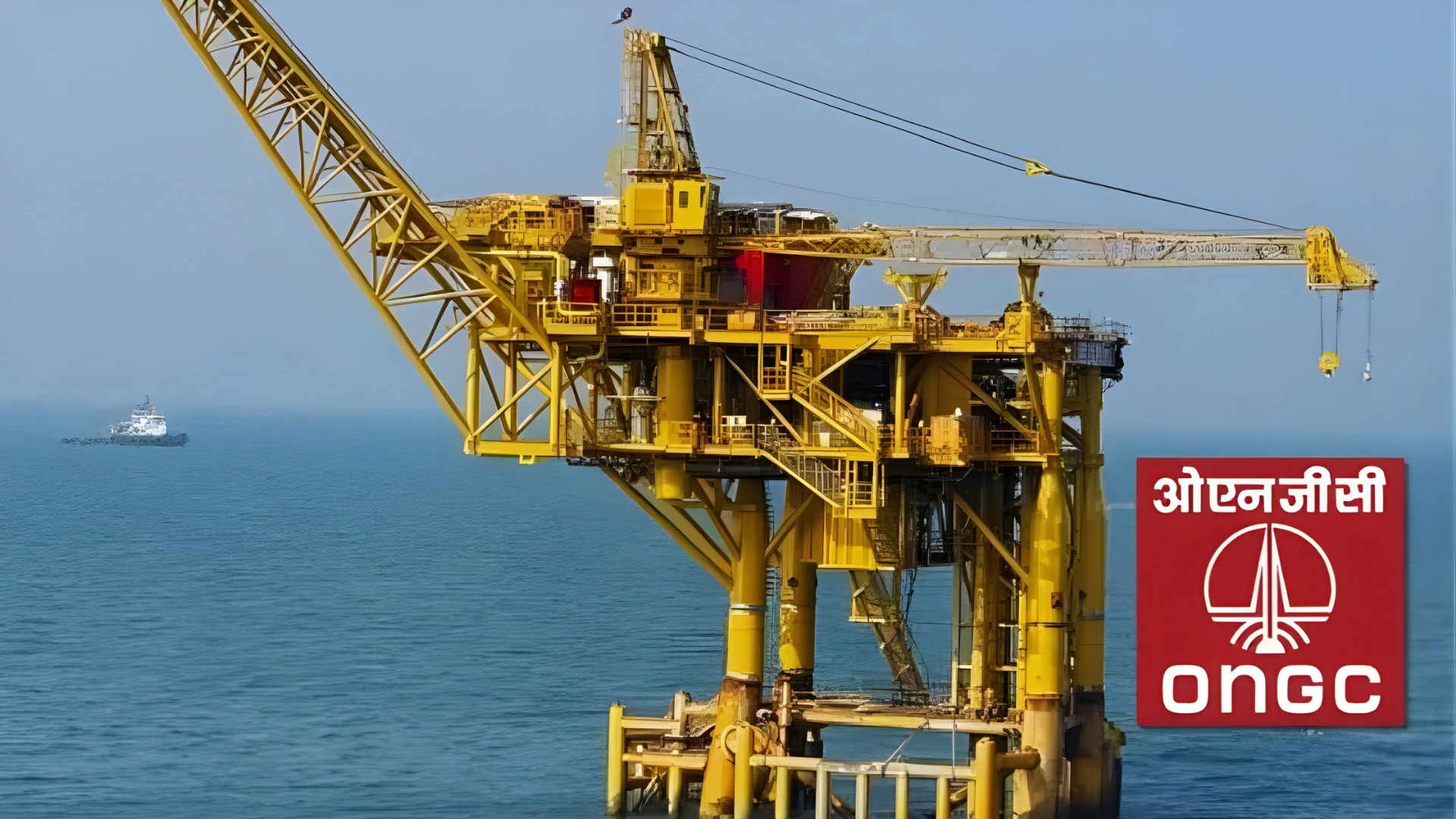
The Daman Upside Development Project is part of ONGC’s offshore portfolio and is designed to enhance production from existing fields through advanced recovery and development strategies.
Key strategic aspects of the project include:
-
- Optimization of existing infrastructure
-
- Incremental gas production without large-scale new exploration risks
-
- Faster route to monetisation compared to greenfield discoveries
This makes the project a low-risk, high-impact initiative within ONGC’s broader portfolio.
A Shift in Energy Strategy: Efficiency Over Expansion
Historically, upstream oil companies have focused heavily on exploration-led growth. However, the global energy landscape is changing.
ONGC’s move signals three important shifts:
1. Capital Discipline Is Taking Priority
Instead of aggressive exploration spending, the focus is now on extracting maximum value from existing assets.
2. Faster Monetisation Cycles
Shorter timelines between discovery and revenue generation improve financial stability and investor confidence.
3. Reduced Risk Exposure
Developing known reserves carries lower geological and financial risk compared to new exploration projects.
Implications for India’s Energy Security
India is one of the world’s largest importers of oil and gas, making domestic production strategically important.
Gas monetisation from the Daman project contributes to:
-
- Increased domestic gas supply
-
- Reduced dependence on imports
-
- Improved energy security
At a time of global supply disruptions and price volatility, such developments play a crucial role in stabilizing the country’s energy ecosystem.
Financial Impact: Strengthening ONGC’s Position
The monetisation of gas reserves is expected to:
-
- Improve revenue visibility
-
- Strengthen operating cash flows
-
- Support future capital allocation
For ONGC, this is particularly important as the company balances:
-
- Legacy upstream operations
-
- Energy transition pressures
-
- Shareholder return expectations
The Bigger Picture: Aligning with the Energy Transition
Natural gas is increasingly seen as a transition fuel—cleaner than coal and oil, yet capable of supporting industrial growth.
ONGC’s focus on gas monetisation aligns with:
-
- India’s push toward a gas-based economy
-
- Lower carbon intensity goals
-
- Gradual transition toward cleaner energy sources
This positions the company not just as an oil producer, but as a key player in India’s evolving energy mix.
What Investors Should Watch
1. Production Ramp-Up
How quickly ONGC scales output from the Daman project will determine near-term revenue impact.
2. Realisation Prices
Gas pricing dynamics will play a critical role in profitability.
3. Future Monetisation Pipeline
Whether ONGC replicates this model across other assets will define long-term growth.
Conclusion
ONGC’s gas monetisation from the Daman Upside Development Project is more than an operational update—it is a strategic signal.
The company is moving toward a model that prioritizes:
-
- Efficiency
-
- Cash flow generation
-
- Risk-managed growth
In a global energy landscape defined by volatility and transition, this shift could prove critical—not just for ONGC, but for India’s broader energy security and economic resilience.
For more such information visit EQMint