

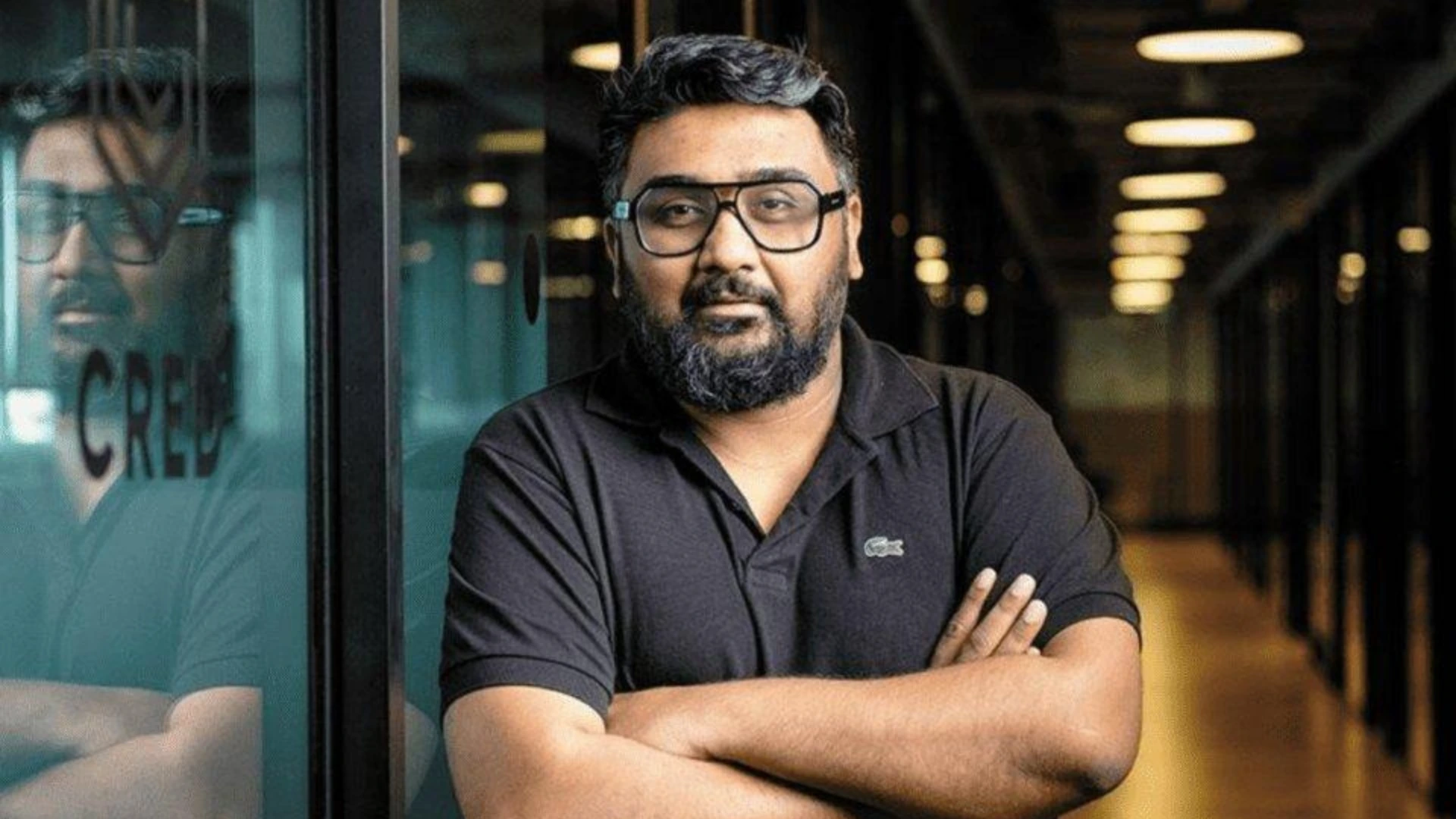
June 24, 2026: Kunal Shah’s transition from building CRED to leading WhatsApp at Meta has reignited a larger debate across the startup ecosystem: does joining a global tech giant amplify entrepreneurial impact, or does it mark the end of the founder journey?
Author: Aditya Pareek | EQMint
The recent appointment of Kunal Shah, founder of CRED, as the new global head of WhatsApp under Meta has sparked a lively debate across India’s startup and business ecosystem. While many see it as a landmark achievement for an Indian entrepreneur, others have questioned whether moving from building a startup to leading a corporate giant should be viewed as a promotion or simply a different career choice.
The discussion gained momentum after a viral social media post argued that regardless of title, compensation, or prestige, moving from entrepreneurship to a corporate leadership role is “still a job.” The post challenged the perception that joining a global technology company automatically represents a higher form of success than building and owning a business.
The Big Move
Kunal Shah is among India’s most recognized entrepreneurs. After founding and scaling CRED into one of the country’s leading fintech platforms, his transition into a leadership role at Meta represents a significant milestone for both him and the broader Indian startup ecosystem.
Supporters of the move argue that leading a platform like WhatsApp, which serves billions of users globally, offers an opportunity to create impact at a scale that very few startups can achieve.
The Entrepreneur vs Executive Debate
What defines success in today’s business world?
For many entrepreneurs, success is associated with ownership, independence, and the freedom to build something from scratch. From this perspective, founders control their vision and destiny, while corporate executives ultimately remain accountable to boards, investors, and shareholders.
On the other hand, supporters of corporate leadership roles argue that influence and impact matter more than ownership. Running a global platform can shape industries, affect billions of lives, and create value on a scale that many startups can only aspire to achieve.
A New Era of Career Paths
The traditional distinction between entrepreneur and executive is rapidly fading. Today’s founders frequently move between startups, venture investing, advisory positions, board roles, and leadership positions within large corporations.
Rather than being seen as opposing career paths, entrepreneurship and corporate leadership are increasingly viewed as complementary experiences.
What This Means for India
Beyond the debate itself, the development highlights the growing influence of Indian entrepreneurial talent on the global stage. India is no longer just a consumer market for technology but also a significant source of innovation, leadership, and global business talent.
EQMINT Take on Kunal Shah
The real question is not whether joining Meta is “just a job.” The more important question is whether an individual continues to create value, solve meaningful problems, and drive innovation at scale.
Success today is no longer defined by a single path. What matters most is not the title on a business card but the impact created along the journey.
Kunal Shah’s transition from CRED to Meta may have sparked a debate, but it has also highlighted an important truth: in the modern economy, builders can create value from anywhere.
For more such information visit EQMint
Join our Whatsapp channel for timely updates: Whatsapp
Disclaimer: This article is not an investment advice and is for educational purpose only.