

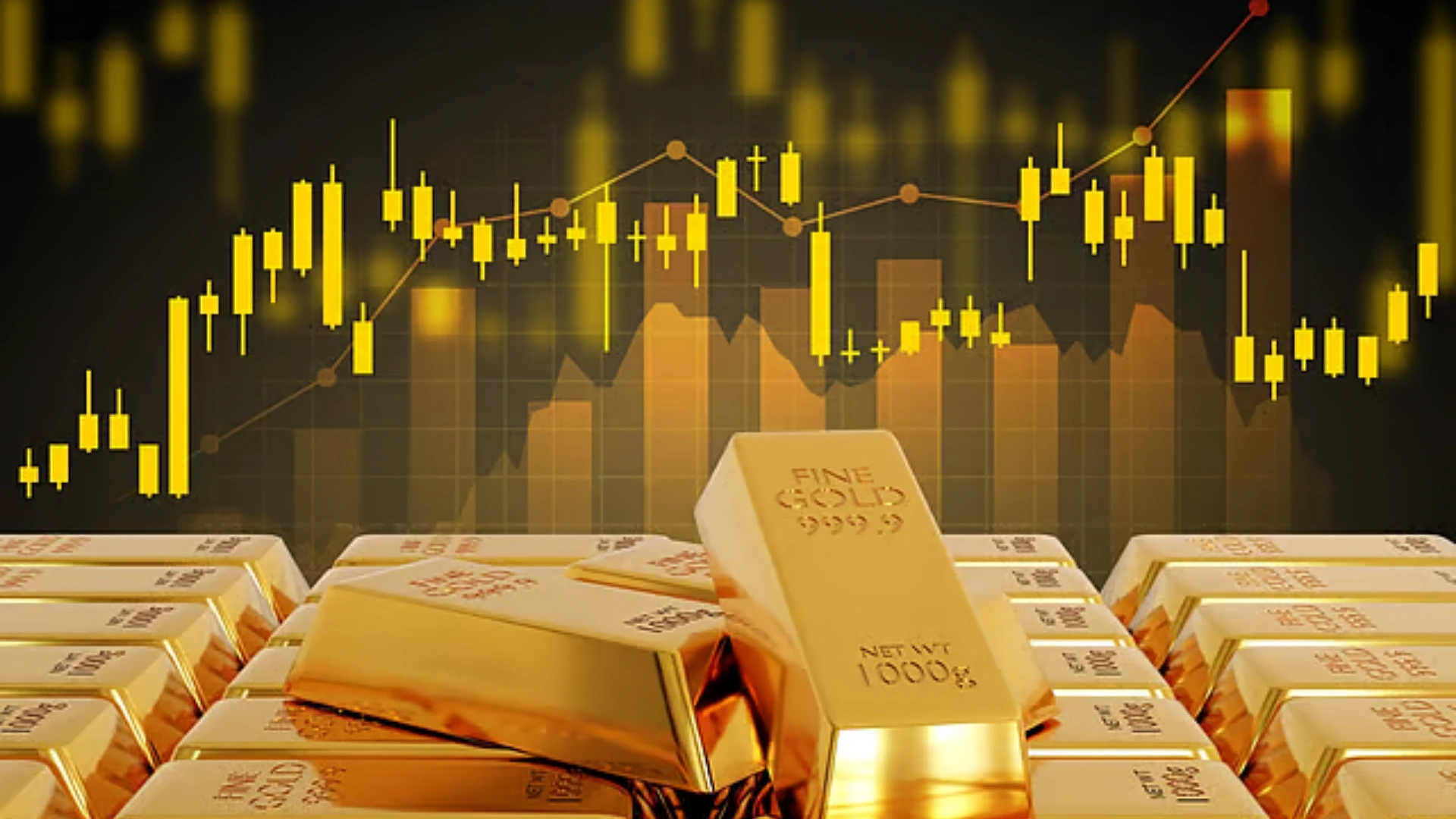
June 29, 2026: Gold has been in Indian households even before generations were formed, older than anything. Not only has it served as an ornamental object, but also as a medium of storage of wealth and financial safety as well as an item which has been passed on from one generation to another. Traditionally, the Indians have been found to be investing in gold in times of uncertainty because of the belief that gold is an investment option for a long run and not for the purpose of trading. But the latest scenario has shown signs of changes in this regard.
Author: Tavisha Kanodia | EQMint | Finance News
Due to a correction in the gold prices following the peak levels witnessed earlier this year, Indian households have started to sell off their old jewellery in order to realize profits before the prices fall any further. As per the latest information made available by the industry body – India Bullion and Jewellers Association (IBJA) – around 50 tons of gold was sold by Indian households in the April-June quarter of the year 2026, which marked a year-on-year growth of 43%.
Profit Replaces the Traditional ‘Buy and Hold’ Mindset
This time around, however, the reason behind the selling isn’t much to do with the need to raise money as it is about changing investor behaviour. Gold prices had risen to all-time highs early this year owing to global political unrest, worries about inflation, and high demand for safe-haven investments. As the prices started falling from June onwards, many households saw the price fall as an opportunity to make gains rather than wait any further.
In contrast to previous years, people are opting to keep their cash on hand as opposed to exchanging their worn-out jewellery for newer items. This implies that many households are starting to see gold as a financial asset, apart from its cultural value.
The same trend can be seen among the organized gold buying companies too. Some players in the industry have reported a sudden increase in the amount of old jewellery which is being sold, indicating a change in consumer behaviour. Consumers are no longer passive buyers of gold and are getting influenced by changes in prices.
A Boost for India’s Gold Recycling Industry
The jewellery industry is seeing record-breaking levels of increased selling through social media and e-commerce channels, giving rise to new markets outside the jewellery industry within the gold ecosystem. The organised gold recycling industry, in particular, has seen a considerable amount of supply with the return of idle gold stored in households, now being reintroduced into the formal market. Gold that was merely sitting idle in households is now being reconstituted and recycled into new products as the source for additional supply within the gold marketplace.
In terms of the broader economic and social context for India, which is the second largest importer of gold in the world, every additional tonne of recycled gold will help to reduce India’s dependency on gold imports and lessen the pressure on its import costs, while also improving the efficiency of the circulation of gold in India.
Based on these macro-level aspects, industry experts also believe that if there are continued stabilisation trends in gold prices, recycled gold will continue to become a larger percentage of the gold raw materials sourced for the jewellery industry, resulting in reduced procurement costs and improved supply chain processes. Therefore, while this recent pattern of recycled gold is simply a market correction due to the lowering of gold prices, it is expected to represent a structural market shift towards a more organised and sustainable gold marketplace.
More Than a Price Correction, A Shift in How Indians View Gold
Whether gold prices witness another rally or continue correcting remains uncertain. However, the recent surge in household selling offers an important insight into the changing role of gold in India’s financial landscape. While emotional and cultural attachment to the precious metal remains strong, investment decisions are becoming increasingly influenced by market cycles and price expectations.
For investors, the episode highlights the importance of balancing sentiment with market fundamentals rather than reacting solely to short-term price movements. For policymakers and the bullion industry, it demonstrates how organised recycling can complement imports and strengthen the resilience of India’s gold ecosystem.
Ultimately, the story is not simply about falling gold prices. It reflects the gradual transformation of Indian households from traditional holders of wealth to more active participants in financial decision-making. As consumers increasingly treat gold as a dynamic financial asset rather than a static family possession, their response to price movements may become just as important as the prices themselves in shaping the future of India’s bullion market.
For more such information visit EQMint
Join our Whatsapp channel for timely updates: Whatsapp
Disclaimer: This article is not an investment advice and is for educational purpose only.