
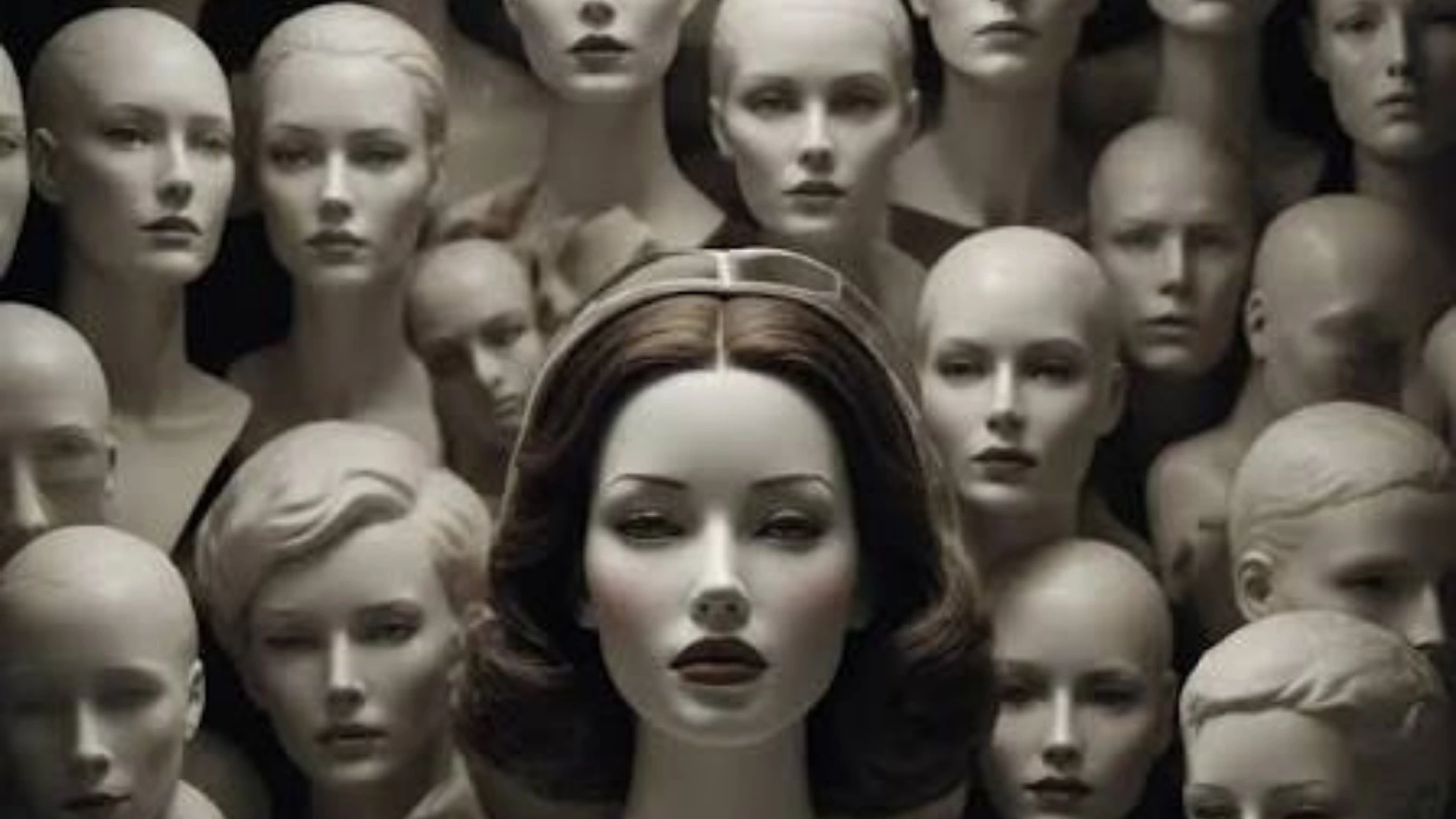
Walk into any clothing store today and one of the first things you’ll notice is a mannequin dressed in the latest collection. While shoppers often overlook them, mannequins have quietly become one of retail’s most powerful sales tools. Long before digital marketing, influencers, or social media campaigns, they helped brands answer one important question: How do you make customers imagine themselves wearing a product? What began as a simple display concept has evolved into a global industry that continues to influence fashion retail and consumer behaviour.
Author: Tavisha Kanodia | EQMint
The mannequin’s concept originated in 18th century Europe, when tiny fashion dolls, called Pandoras, were sent around countries to display the newest Parisian designs, before the advent of fashion magazines. Over time, as retail outlets expanded during the Industrial Revolution, these miniatures evolved into life-sized display figures, formed of wax and later papier-mâché. By the early 20th century, materials like fiberglass and plastic made mannequins lighter, more durable, and affordable, allowing retailers all over the world to standardize visual merchandising. The evolution was not merely aesthetic, it was commercial. Instead of showing clothes on shelves, retailers could now tell a story, show full outfits and help customers visualise how the garments would look when worn.
Today, mannequins are a vital part of a multi-billion-dollar visual merchandising industry. Global fashion brands like Zara, H&M, Nike, Louis Vuitton and Uniqlo spend a lot of money on store displays as the presentation directly impacts the way customers engage and decide to buy. The mannequins of today are not one size fits all, but rather a range of body types, athletic builds, sustainable materials, and even regional consumer preferences. Some luxury retailers are testing digital mannequins, augmented reality mirrors and AI-powered virtual models, merging physical retail with technology to provide more personalized shopping experiences.
The top manufacturers who have set their foot in the mannequin market are Chaggars Mannequins, Deeps Mannequins, Dynamic International, Gauri Mannequins Enterprise and Aggarwal Dummy House who have spent more than 2 decades but the discovery. These giants are now shaping the market and selling their products to wholesalers who later forward it to the big bulls of the retail fashion industry like Zara, H&M, Pantaloons etc.
The Global Mannequin Market is projected to grow from USD 6.07 Billion in 2025 to USD 7.82 Billion by 2031, registering a compound annual growth rate of 4.31%, says a study by Research and Markets. According to the National Retail Federation, retail sales were forecast to rise between 2.5 percent and 3.5 percent in 2024, potentially reaching 5.28 trillion dollars, a growth trajectory that serves as a key economic engine for the mannequin market by validating ongoing investment in physical retail environments.
The mannequin model shows that not all business innovation has to be a product for sale to consumers. Sometimes the biggest breakthrough is in the way products are displayed. Two hundred years of commercial use later, the mannequin is a reminder that in retail, the story often starts before a customer even touches the product.
For more such information visit EQMint
Join our Whatsapp channel for timely updates: Whatsapp
Disclaimer: This article is not an investment advice and is for educational purpose only.