
Author: Aadarsh Patel | EQMint
India’s business and economic landscape saw several significant developments this week, ranging from a leadership change at Air India and a strong IPO pipeline to a shift towards cleaner-fuel vehicles and a renewed surge in crude oil prices.
The week also brought major developments in global technology, investment and sports, highlighting how geopolitical tensions and changing consumer trends continue to influence businesses and markets.
Air India Gets New CEO as Airline Faces Major Challenges
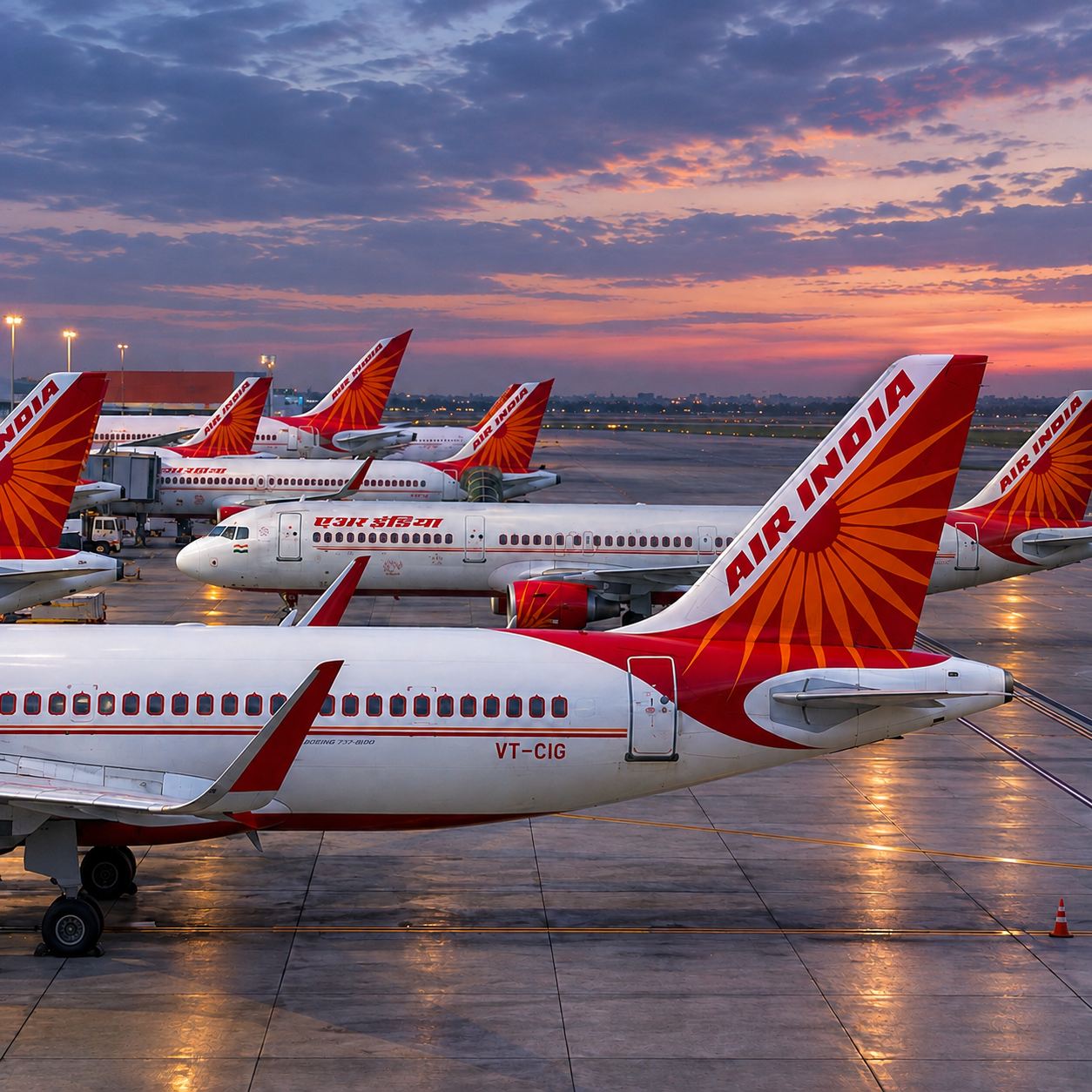
Air India has a new chief executive at a critical stage in its transformation under the Tata Group. Tewolde Gebremariam, the former head of Ethiopian Airlines Group, has taken over as CEO from Campbell Wilson.
Gebremariam has indicated that improving operational reliability and consistency will be among his immediate priorities. His appointment comes as Air India continues to deal with several challenges, including financial losses, operational issues and increasing competition in both domestic and international markets.
Since the Tata Group took control of Air India in January 2022, the airline has been undergoing a major restructuring. However, the carrier has faced setbacks, while rival IndiGo has strengthened its passenger-market position across domestic and international routes.
IPO Market Remains Busy as New Issues Crowd the Primary Market
India’s IPO market continued to attract strong attention, with 11 companies offering shares on the BSE mainboard during the week.
Together, the issues were looking to raise around ₹7,000 crore from investors. Companies in the IPO queue included Pranav Constructions, Kanohar Electricals, Prasol Chemicals, Rentomojo, Manipal Payment and Identity Solutions, Arcil and LCC Projects.
If all the issues are completed, the number of BSE mainboard IPOs for the year could rise to 75, compared with 64 currently. That would put the market on course to approach or potentially surpass the 104 mainboard IPOs recorded in 2025.
The much-awaited IPO of the National Stock Exchange was also expected to enter the market soon, adding another major name to an already active primary market.
Cleaner-Fuel Vehicles Overtake Petrol Cars in August
India’s passenger-vehicle market recorded another notable shift in August, when vehicles powered by cleaner fuel technologies collectively outsold petrol-powered cars.
Sales of CNG and LPG vehicles, hybrids and electric vehicles accounted for 42% of passenger-vehicle sales in August, compared with 40.9% for petrol vehicles.
The change marks a sharp movement from the beginning of the year. In January, petrol vehicles held a 47.5% share, while the combined share of the three cleaner-fuel categories stood at 35.5%.
Electric vehicles recorded the most significant increase within the cleaner-fuel segment, with their share more than doubling from 3.6% in January to 7.6% in August.
The shift is taking place alongside strong overall demand. Passenger-vehicle sales in August were around 16% higher than a year earlier. However, the growing popularity of EVs is also creating concerns among dealers because electric cars generally require less maintenance and could reduce after-sales service revenue.
Foreign Investors Pull Out ₹7,443 Crore From Indian Equities
Foreign institutional investors remained cautious amid rising oil prices, higher US bond yields and a stronger dollar.
They withdrew approximately ₹7,443 crore from Indian equities during the first week of September, adding pressure to domestic markets.
The combination of elevated crude prices and global financial tightening has become an important factor for investors assessing Indian assets, particularly as higher energy costs can affect inflation, corporate margins and the country’s import bill.
Brent Crude Climbs Above $100 Again
Oil prices returned to triple-digit territory as military tensions between the US and Iran intensified.
Brent crude settled above $100 a barrel, marking its first close above that level since May 22. Restrictions on maritime traffic through the Strait of Hormuz have added to concerns over global oil supplies.
The latest escalation follows months of conflict and renewed tensions after an earlier agreement between the two countries failed to prevent further military confrontations.
Brent had been trading around $72 a barrel before the US and Israel launched attacks on Iran on February 28. The subsequent disruption to supply expectations pushed prices above $100 in March as well.
Big Business Numbers From the Week
Several other figures captured the week’s major developments:
- ₹2.99 lakh: Starting price in India for Apple’s first foldable iPhone, the iPhone Duo.
- ₹9,825 crore: Equity capital that Adani Group’s airport business entered agreements to raise.
- €13 billion: Google’s planned investment in AI infrastructure in Finland over the next two years.
- 64%: Share of home loans by volume in 2025 taken by borrowers in tier-II and tier-III cities.
- A$214 million: Value of Cricket Australia’s current broadcasting agreement for the Big Bash League.
Australia Moves to Privatise Big Bash League Teams
Cricket Australia has started the process of bringing private ownership into the Big Bash League, following a model already established by major cricket competitions such as the Indian Premier League.
The Melbourne Renegades are the first BBL team to be offered for sale, with other franchises expected to follow.
Broadcasting rights remain a major source of commercial value for the league. The BBL’s current media deal is worth around A$214 million, although that remains significantly smaller than the IPL’s media-rights agreement.
A Week Defined by Shifting Business Trends
From Air India’s leadership transition and the continued IPO boom to the rapid adoption of cleaner vehicles and renewed oil-price volatility, the week highlighted several forces shaping India’s economy.
While the primary market continues to attract companies and investors, geopolitical risks, energy prices and global capital flows remain key factors for Indian businesses and financial markets in the months ahead.
For more such information, visit EQMint
Join our WhatsApp channel for timely updates: Whatsapp