Synopsis:
-
Anthropic CEO Dario Amodei predicts AI could transform cancer treatment within a decade.
-
Claude is helping researchers explore new cancer therapies and antibody designs.
-
Partnerships are also targeting food allergies, rare diseases and drug manufacturing.
-
Most projects remain preclinical, with human trials still needed to prove results.
Anthropic CEO Dario Amodei has made an ambitious prediction about the future of medicine, suggesting that cancer, Alzheimer’s disease, heart disease and mental illness could become relics of the past within less than a decade.
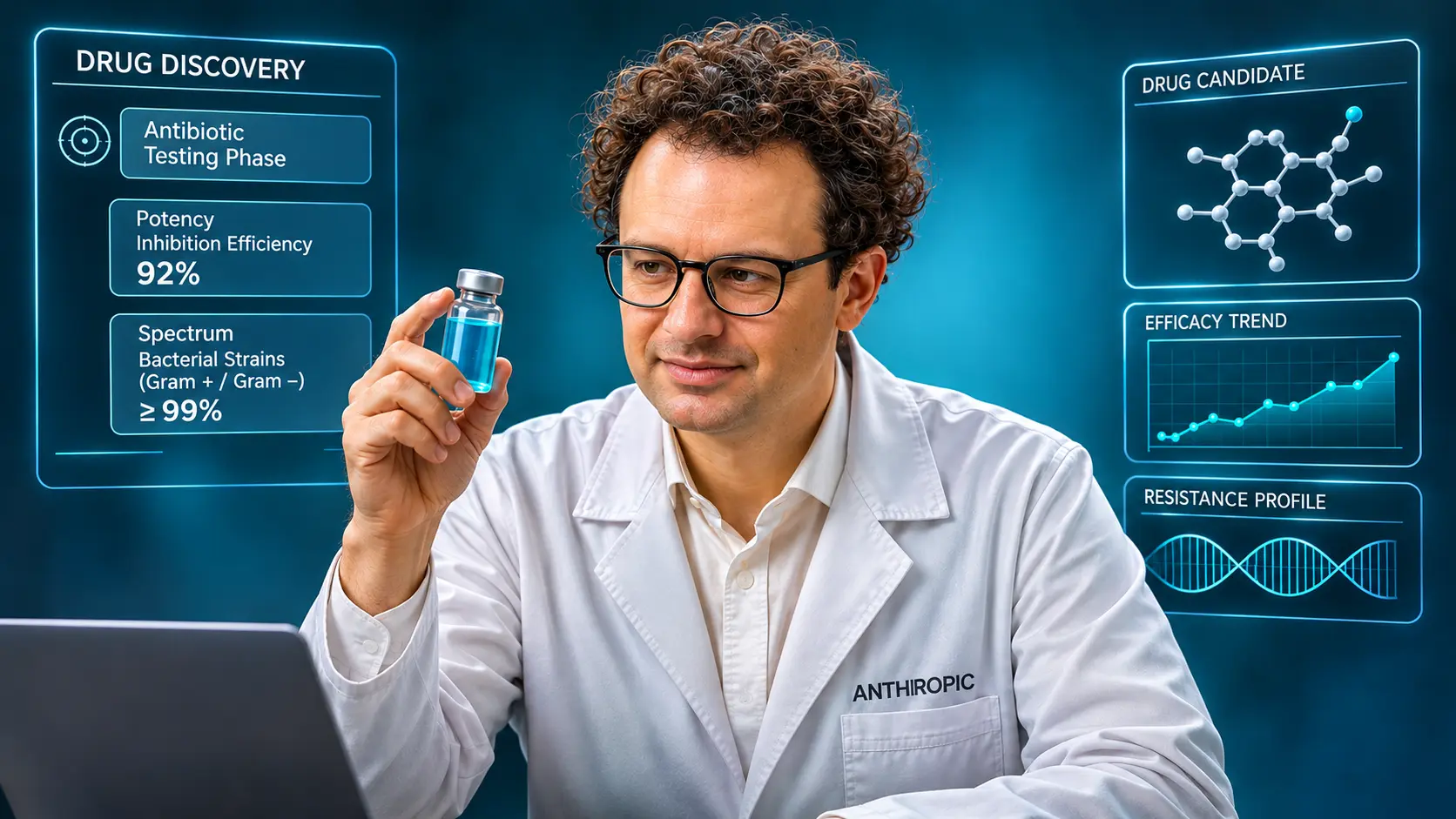
The prediction comes as Anthropic, the company behind AI assistant Claude, expands its presence in biotechnology and pharmaceutical research. In an October 2026 research update, the company outlined collaborations with six organizations working to explore how AI can accelerate drug development.
The projects cover cancer research, antibody design, food allergies and pharmaceutical manufacturing. While early findings have demonstrated the potential of AI-assisted research, most of the drug discovery work remains at the preclinical stage.
Anthropic Uses Claude to Explore Cancer Treatments
One of Anthropic’s notable collaborations is with Generate, which is exploring ways to adapt CAR T-cell therapy for solid tumours. The treatment uses genetically modified immune cells to recognise and attack cancer cells and has traditionally been used against certain blood cancers.
Researchers used Claude Code to help redesign a component of the therapy’s genetic instructions. The resulting design was approximately 70% shorter than the standard version. Laboratory testing showed that the redesigned component enabled immune cells to produce roughly 10 times more receptors, which help them identify their targets.
Another collaboration with BigHat Biosciences focused on improving potential antibody-based drug candidates, including one designed to target cancer cells. Researchers tested approximately 1,010 variations, with the strongest versions demonstrating more than 10 times tighter binding to their targets compared with the original candidates.
These findings highlight how AI can help researchers explore molecular designs and identify promising candidates. However, improved laboratory performance does not establish that a candidate will become a safe or effective cancer treatment.
AI Research Extends Beyond Cancer
Anthropic’s biotechnology work also covers food allergies, pharmaceutical manufacturing and rare diseases.
Its collaboration with Divergence Labs generated approximately 35,000 antibody designs in about a month as part of research into a potential treatment for food allergies. The work demonstrates how AI can help scientists explore large numbers of possible molecular designs.
Meanwhile, Anthropic’s partnership with Enveda focused on pharmaceutical manufacturing documentation. The company reported an 89% reduction in human review time through an AI-assisted process designed to identify potential issues in manufacturing records.
Anthropic has also started its own drug discovery programmes, including research into rare childhood forms of muscular dystrophy. The company has indicated that a potential drug candidate could enter human clinical trials as early as late 2028, depending on the progress of further research.
Can AI Make Cancer a Disease of the Past?
Amodei’s prediction reflects growing optimism about AI’s ability to accelerate scientific research. By helping researchers analyse data, explore molecular designs and automate complex tasks, AI could potentially reduce the time required to identify promising drug candidates.
However, discovering a potential treatment is only one part of developing a medicine. Candidates must undergo laboratory validation, preclinical studies, human clinical trials and regulatory assessments before they can be approved for patients.
Anthropic’s current research should therefore be viewed as an early indication of AI’s potential rather than proof that cancer or other major diseases will be eliminated within a decade.
The company’s expanding biotechnology partnerships nevertheless demonstrate how AI developers are moving beyond conventional software applications and exploring opportunities in healthcare and pharmaceutical research.
Whether Amodei’s ambitious timeline becomes reality remains uncertain. The more immediate development to watch is whether AI-assisted research can consistently translate promising laboratory results into safe and effective medicines.
Source: https://www.anthropic.com/research/early-progress-drug-development
Disclaimer: This article is for information purposes only and is not investment advice.
For more such information, visit EQMint
Join our WhatsApp channel for timely updates: Whatsapp