Synopsis: India recycles roughly 90% of its PET bottles, ahead of Japan (72%), Europe (48%) and the US (31%), according to a CSIR-NCL study. Producer responsibility (EPR) rules, mandatory recycled content and a strong collector network are driving the lead, with Reliance Industries, Ganesha Ecosphere, GEM Enviro Management, Race Eco Chain and Rudra Ecovation among the key players.
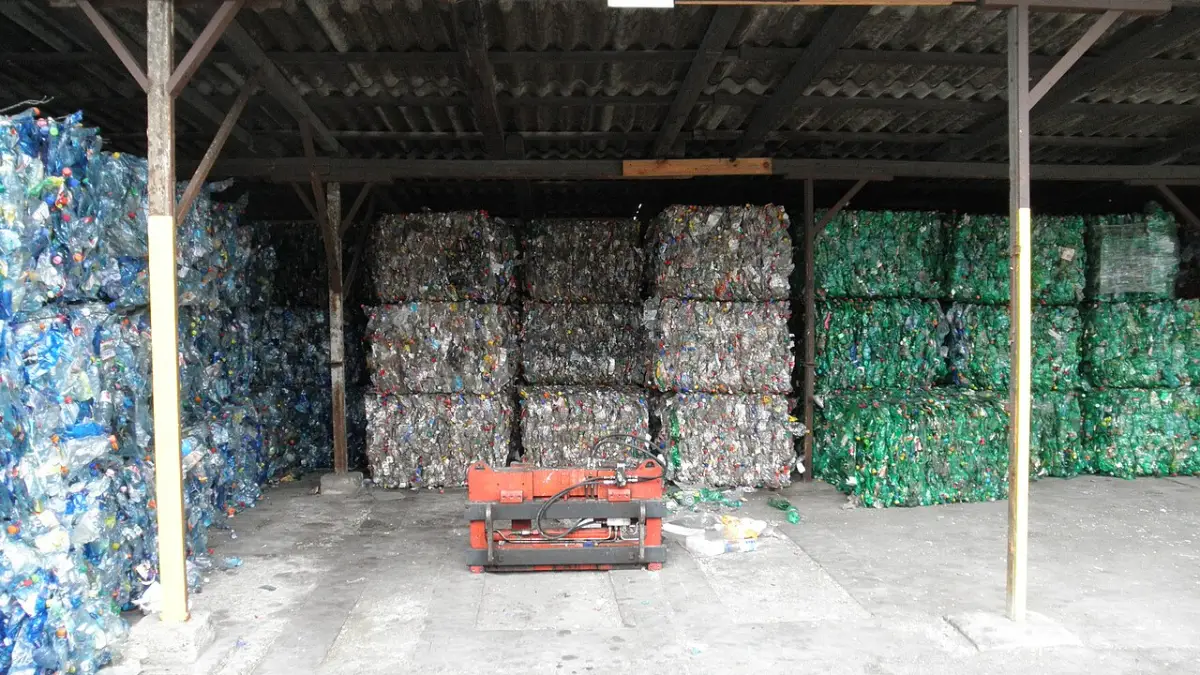
India is a clear leader in PET bottle recycling. A study by the National Chemical Laboratory (NCL) put the PET recycling rate at 72.1% in Japan, 48.3% in Europe and 31% in the US, while a CSIR-NCL study found that India recycles about 90% of its PET waste. Reliance Industries, for its part, says the rate stands at 85 to 90%.
China’s figures vary widely by source and method, so a like-for-like comparison is hard. For example, Chinese researchers put recycling of PET beverage packaging at 96.48%, while overall plastic recycling was about 30%.
Why the rate is high
The chain starts with informal collectors. Waste pickers sell discarded PET bottles to scrap traders, and the material then moves to recyclers. The bottles have real value: the same study found the recycling business turned over Rs 3,500 crore a year, with end products selling for Rs 50 to 110 a kg. Much of the flake goes into textiles, as recycled PET is used mainly in textile applications in India.
EPR is the next driver
Policy is now pushing recycled PET back into bottles. The Plastic Waste Management Rules require 30% recycled content in rigid plastic packaging from 2025-26. The threshold rises by 10 percentage points a year, reaching 60% in 2028-29. FSSAI has also approved food-grade rPET for food and beverage contact, which opens the bottle-to-bottle market.
Who is in the business
- Reliance Industries: recycles over 2 billion PET bottles a year and is doubling capacity to 5 billion, making fibre sold as Recron GreenGold.
- Ganesha Ecosphere: among the largest PET recyclers in India, it has recycled PET since 1994, runs six sites across India and Nepal, and says it processes 9.4 billion bottles a year. Its subsidiary Ganesha Ecopet has 42,000 tonnes a year of food-grade recycled PET capacity.
- Race Eco Chain: a pioneer in waste management with an ESG-first approach, it runs one of the larger scrap supplier networks (500+ suppliers) with dedicated regional collection centres, and is working to digitise the scrap supply chain through its RACE app. It is forming a joint venture, Ganesha Recycling Chain, with Ganesha to set up PET bottle washing lines, with Race holding 51%.
- GEM Enviro Management: in EPR consultancy since the start of EPR in India, it works with over 200 brands, including Coca-Cola India and Varun Beverages. It is a Producer Responsibility Organisation registered with the Central Pollution Control Board, and works with Ganesha on PET bottle collection and on marketing recycled yarn.
- Rudra Ecovation: India’s largest vertically integrated PET recycling facility, based in Ludhiana, Punjab, on over 100 acres. It has the capacity to recycle over 8.8 million PET bottles a day.
Challenges
Not everything recycles well. Flexible films are recycled at only around 5%. For Ganesha, PET flake prices rose from Rs 42 to over Rs 55 a kg in FY25 as European recyclers bought Indian raw material.
The 90% figure comes from a 2017 study. Company capacity figures are as stated by the companies.
Sources
- PlastEmart: India recycles 90% of its PET waste (NCL study)
- Terra Green: CSIR-NCL study
- People’s Daily: China PET beverage packaging recycling
- Waste & Recycling: FSSAI approval for food-grade rPET
- Packaging Gateway: India recycled content requirement
- Business India: waste collection chain
- Waste & Recycling: flexible films
- ReadOn: India’s recycled plastic squeeze
- Reliance Industries: PET recycling and Recron GreenGold
- Ganesha Ecosphere: company website
- Recycling International: Ganesha Ecopet capacity and 9.4 billion bottles
- ThePrint: Ganesha Ecosphere, largest post-consumer PET recycler
- Race Eco Chain: company profile (supplier network, collection centres, ESG, RACE app)
- Alchempro: Race Eco Chain and Ganesha JV
- Packaging South Asia: GEM Enviro, 200+ brands including Coca-Cola India
- Varun Beverages: collaboration with GEM Enviro Management
- Packaging Connections: GEM Enviro, CPCB-registered PRO, tie-up with Ganesha
- Indian Textile Magazine: Rudra Ecovation
- Alchempro: Rudra Ecovation, Ludhiana, 100-acre facility
- Tribune India: Rudra Ecovation 8.8 million bottles a day
Disclaimer: This article is for information purposes only and is not investment advice.
For more such information, visit EQMint
Join our WhatsApp channel for timely updates: Whatsapp