
Author : Aashiya Jain | EQmint | Market News
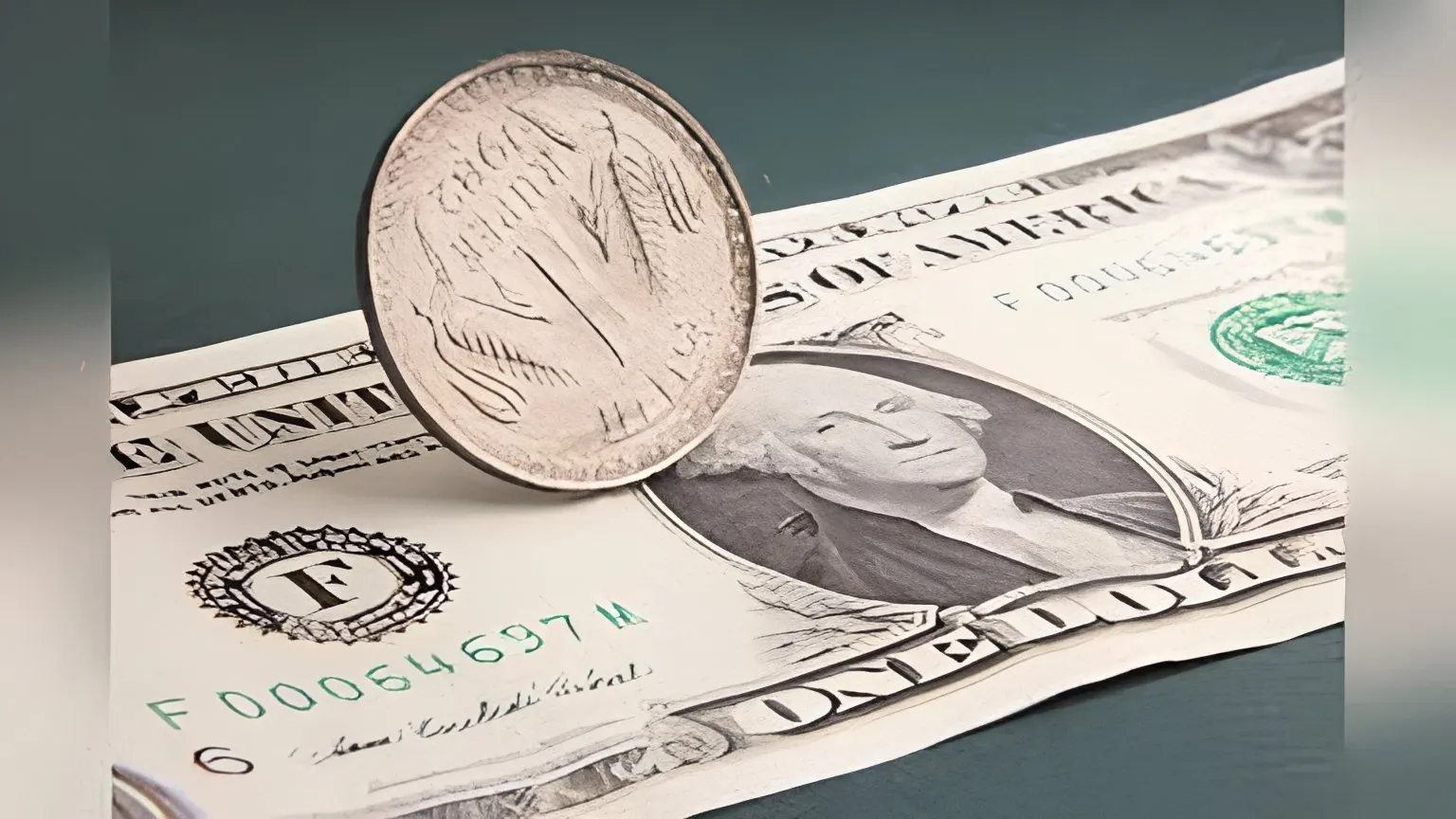
The Indian rupee slipping past the symbolic ₹90 mark against the U.S. dollar has grabbed headlines and stirred conversations across economic circles and everyday households alike. On January 12, 2026, the ₹ weakened by 5 paise and was trading at around ₹90.23 to the dollar in early market sessions. This movement reflects deeper pressures within India’s external sector from rising global commodity prices to capital outflows and raises important questions about what this means for the economy and individuals.
The Moment the Rupee Touched 90
In early trading on Monday, January 12, 2026, the Indian rupee dipped slightly, trading at ₹90.23 per U.S. dollar a continuation of recent weakness in the currency. Analysts linked this fall to higher crude oil prices, which increase India’s import bill, and sustained selling by foreign investors in Indian financial markets.
The rupee slipping past ₹90 is not just a number on a screen it’s a psychological threshold that reflects broader economic undercurrents, and the fact that traders and economists are watching it closely says a lot about how sensitive currency markets can be to global and domestic shocks.
Why Is the India Currency Depreciating?
There’s no single reason for the ₹ slide. Rather, several forces have come together:
-
- Oil and Import Costs
India imports a large chunk of its crude oil and many other goods. When global oil prices rise, it increases the demand for foreign currency (especially the U.S. dollar) to pay for these imports. That push on demand can put downward pressure on the rupee.
-
- Capital Outflows & Foreign Investors
Foreign portfolio investors (FPIs) those who put money into Indian stocks and bonds have been reducing their holdings and withdrawing capital. When they sell assets in India, they convert rupees back into dollars to remit funds abroad. This creates additional demand for dollars and weakens the rupee.
-
- Trade Deal Uncertainty
Negotiations over a comprehensive U.S.-India trade agreement have been dragging on, and this has affected investor confidence. Uncertainty around tariff barriers and future trade terms tends to make global investors more cautious, further weighing on the rupee.
-
- Global Market Trends
The strength of the U.S. dollar globally driven by factors like interest rates and risk sentiment also plays a role. When the dollar is strong worldwide, emerging market currencies like the ₹ often come under pressure.
Together, these variables point to an environment in which the rupee finds itself under consistent downward pressure, making the ₹90 mark not just symbolic but reflective of wider macroeconomic realities.
What This Means for the Indian Economy
The rupee weakening isn’t automatically bad it has mixed implications, depending on perspective:
 Pros (Potential Advantages)
Boost for Exporters: A weaker rupee can make Indian goods cheaper in international markets, potentially helping exporters compete better.
Remittances: Indians living abroad sending money back home will earn more in rupee terms.
 Cons (Challenges)
Higher Cost of Imports: Essentials like crude oil, electronics, and some raw materials become more expensive and that can translate into higher prices for consumers.
Imported Inflation: As the ₹ weakens, the cost of imported goods (including fuel) goes up, which can feed into inflation and push up the cost of living.
Pressure on Monetary Policy: The Reserve Bank of India (RBI) has to balance between managing inflation and supporting economic growth when the currency is under stress.
The government and RBI have been cautious about excessive volatility. Officials have repeatedly noted that a weaker rupee hasn’t yet translated into serious inflationary pressure and have reiterated the focus on broader fundamentals like growth and inflation stability.
Beyond the Headlines: Everyday Impact
When you hear that the rupee is weaker, it’s easy to tune out if you don’t follow financial news every day. But the effects can show up in ways that touch ordinary life:
Fuel Prices: A weaker rupee can contribute to higher petrol and diesel prices because more rupees are needed to buy the same amount of dollars to pay for crude oil.
Travel and Education Abroad: Costs for international travel or foreign education can go up, as expenses denominated in dollars now convert to more rupees.
Imported Goods: Items like smartphones, electronics, or machinery components from abroad could carry higher price tags.
At the same time, some sectors especially those selling products overseas may find a thin silver lining in a cheaper rupee, as export revenues become more competitive.
Looking Ahead
The rupee’s trajectory depends on a combination of global trends and domestic policy responses. If oil prices ease, capital flows stabilize, or progress is made on trade negotiations, the rupee could gather strength. Conversely, persistent external pressure or global dollar strength might keep downward pressure in play.
Economists are watching carefully, and while hitting ₹90 per dollar is significant, it’s just one piece of a complex economic puzzle one whose full picture will continue to evolve with market and policy developments.
For more such a information : EQmint
Resource Link : TOI