
Union Budget 2026 outlined an expansive reform and investment agenda, with Finance Minister Nirmala Sitharaman announcing major schemes for capital goods manufacturing, textiles, MSMEs, infrastructure, and city economic regions. The proposals aim to boost capacity, employment, sustainability, and long-term growth.
Author: Aditya Pareek | EQMint | Budget News
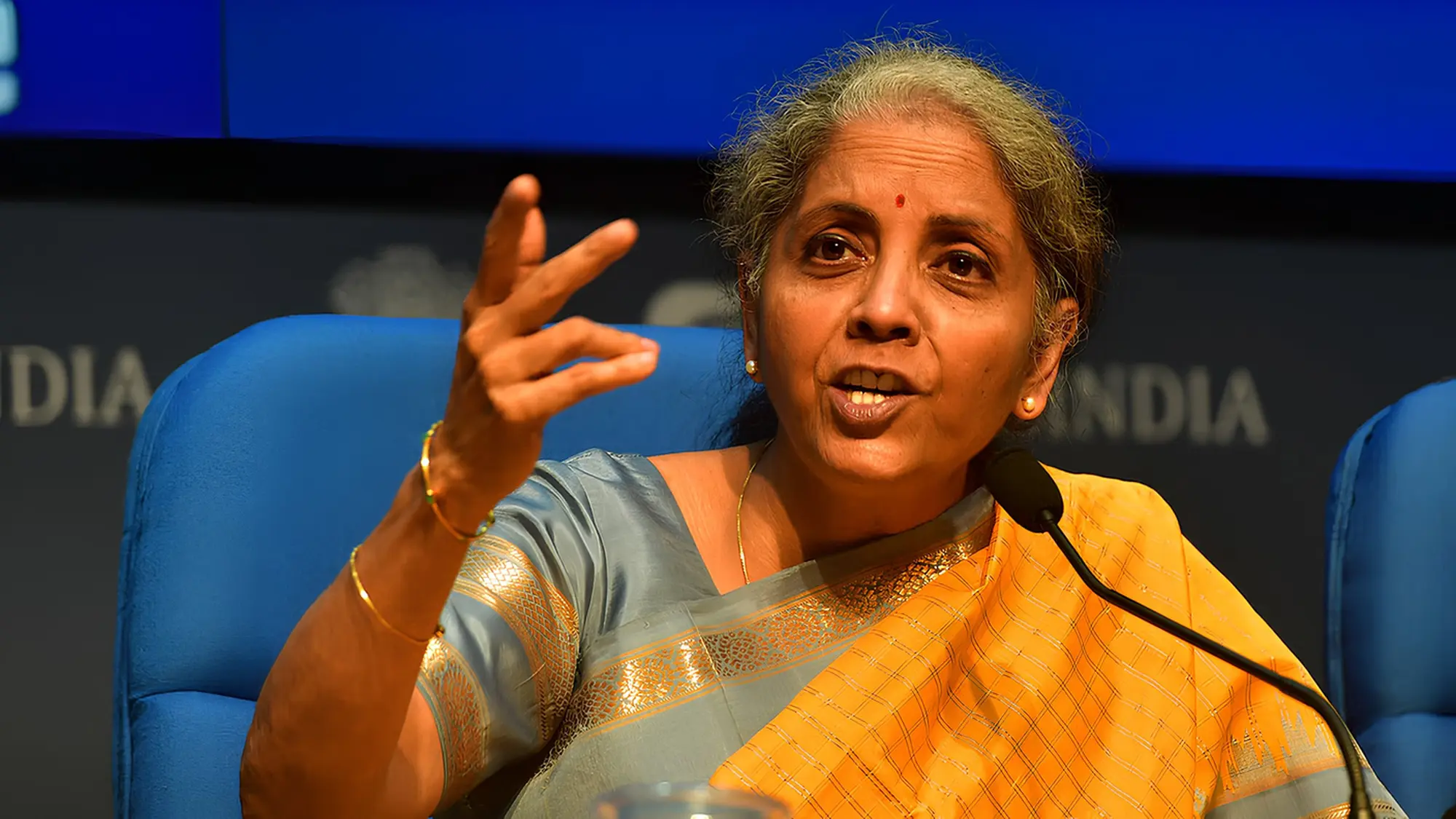
Presenting the Budget 2026 in Parliament, Nirmala Sitharaman laid out a wide-ranging policy roadmap focused on strengthening India’s manufacturing base, generating employment, accelerating infrastructure creation, and building resilient city-centric growth models. The proposals span capital goods, textiles, MSMEs, infrastructure, sustainability, and regional economic development.
Building Capacity for Strong Capital Goods
To strengthen India’s capital goods ecosystem, the Finance Minister in Budget 2026 proposed a series of targeted interventions aimed at enhancing domestic manufacturing capabilities and reducing dependence on imports.
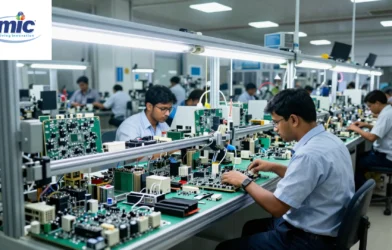
A key proposal in Budget 2026 includes the establishment of high-tech toolrooms to manufacture high-precision components at scale and lower costs. These toolrooms are expected to support advanced manufacturing and improve cost competitiveness across sectors.
In addition, Sitharaman announced the introduction of a scheme for enhancement of construction and infrastructure equipment, aimed at strengthening the production of high-value Construction and Infrastructure Equipment (CIE).
Further, the Budget proposes a container manufacturing scheme with an allocation of ₹10,000 crore over five years, reinforcing India’s logistics and supply chain infrastructure while supporting domestic manufacturing.
Integrated Programme for Labour-Intensive Textile Sector
Recognising the textile sector’s critical role in employment generation, the Finance Minister announced a comprehensive integrated programme for the labour-intensive textile sector.
Key components of the textile push include:
- National Fibre Scheme for self-reliance in natural, manmade, and new-age fibres
- Textile Expansion and Employment Scheme
- National Handloom and Handicraft Scheme
- Tex-Eco Initiative
- Samarth 2.0
To further scale the sector, Sitharaman proposed setting up mega textile parks in challenge mode, encouraging competition-driven efficiency and private sector participation.
Additionally, the Mahatma Gandhi Gram Swaraj Initiative was announced to strengthen Khadi, handloom, and handicrafts, supporting rural livelihoods and traditional industries.
Creating Champion MSMEs Through a Three-Pronged Strategy
In a significant boost to small businesses, the Finance Minister outlined a three-pronged approach to create champion MSMEs, positioning them as key drivers of growth and innovation.
The measures include:
- Equity support via a ₹10,000 crore SME Growth Fund
- Top-up of ₹2,000 crore to the Self-Reliant India Fund
- Liquidity support through the TREDS platform
To strengthen MSME capability building, Sitharaman said the government will facilitate professional institutes to design short-term courses to develop a cadre of Corporate Mitras, who will guide MSMEs in compliance, finance, and scaling operations.
Revival of Legacy Industrial Clusters
To rejuvenate traditional industrial hubs, the Budget proposes a scheme to revive 200 legacy industrial clusters. The initiative aims to:
- Improve cost competitiveness
- Enhance operational efficiency
- Modernise infrastructure and processes
This move is expected to support regional manufacturing hubs and protect employment in long-established industrial areas.
Dedicated Initiative for Sports Goods Manufacturing
The Finance Minister also announced a dedicated initiative for sports goods manufacturing, focusing on:
- Manufacturing capacity
- Research and development
- Equipment design
The initiative is expected to help Indian sports goods manufacturers scale up, improve product quality, and compete in global markets.
Carbon Capture, Utilisation and Storage (CCUS)
In a major sustainability-focused announcement, Sitharaman proposed an outlay of ₹20,000 crore over the next five years for Carbon Capture, Utilisation and Storage (CCUS).
The initiative aligns with India’s long-term climate commitments and aims to support low-carbon industrial growth while addressing emissions from hard-to-abate sectors.
Delivering a Powerful Push for Infrastructure
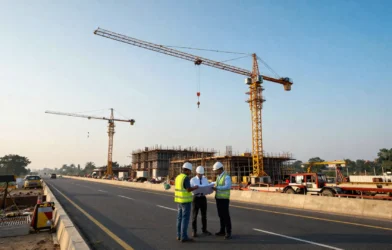
Infrastructure development remained a cornerstone of Budget 2026. The Finance Minister announced that the government will continue to focus on infrastructure development in Tier 2 and Tier 3 cities with populations above 5 lakh.
Key infrastructure announcements in Budget 2026 include:
- Increase in Public Capital Expenditure to ₹12.2 lakh crore
- Creation of an Infrastructure Risk Guarantee Fund to provide partial credit guarantees to lenders
- Development of new dedicated freight corridors connecting Dankuni (East) to Surat (West)
- Proposal to operationalise 20 new waterways over the next five years, beginning with Odisha
- Establishment of a ship-repair ecosystem in Varanasi and Patna
These measures aim to improve logistics efficiency, reduce transportation costs, and stimulate regional economic growth.
Developing City Economic Regions (CERs)
To promote decentralised and sustainable urban growth, Sitharaman announced plans to develop City Economic Regions (CERs).
The Budget proposes:
- ₹5,000 crore allocation per CER over five years for implementation
- Development of seven high-speed rail corridors as growth collectors
The proposed high-speed corridors include:
- Mumbai–Pune
- Pune–Hyderabad
- Hyderabad–Bengaluru
- Hyderabad–Chennai
- Chennai–Bengaluru
- Delhi–Varanasi
- Varanasi–Siliguri
These corridors are expected to enhance regional connectivity, boost productivity, and support urban-led economic expansion.
Conclusion
Union Budget 2026 sets out an ambitious and multi-dimensional growth agenda, with Finance Minister Nirmala Sitharaman announcing transformative measures across capital goods, textiles, MSMEs, infrastructure, sustainability, and city-centric development. With record public capex, targeted manufacturing schemes, and strong support for employment-intensive sectors, the Budget aims to build long-term capacity while strengthening India’s economic resilience.
For more such updates visit EQMint
Disclaimer: This article is for informational and educational purposes only. Budget announcements and proposals are subject to legislative approval, detailed guidelines, and future notifications. Readers are advised to consult professional advisors before making financial, business, or investment decisions.