
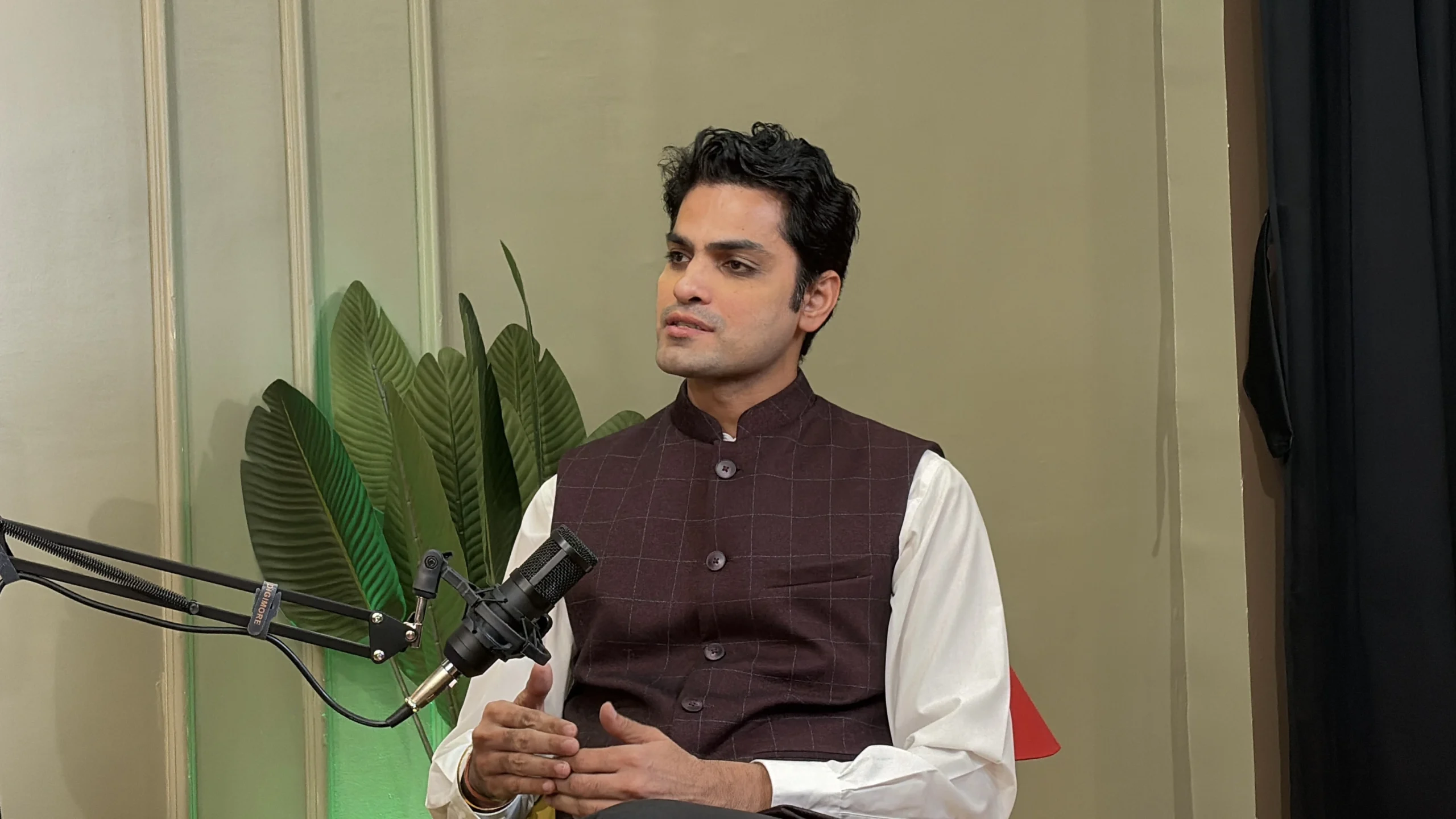
In an insightful EQMint podcast, Devang Agrawal, Founder of Mind Your Savings, explains how modern borrowing has shifted from necessity-based decisions to impulse-driven spending. He breaks down the psychology behind easy credit, clarifies why EMIs are not inherently harmful, and shares a practical roadmap to achieving financial independence possibly even by the age of 50th through disciplined saving, structured investing, and responsible debt management.
Author : Aashiya Jain | EQMint | EQ Exclusive
The Shift from Responsible to Impulsive Borrowing
Borrowing was once associated with life’s major milestones education, buying a home, or managing emergencies. Today, however, credit is often used for lifestyle upgrades, gadgets, vacations, and non-essential purchases. Devang Agrawal highlights this cultural shift clearly:
“From responsible borrowing, we have come to the age where people are more indulged in impulsive borrowing.”
The convenience of instant loans and one-click EMIs has made money feel easily accessible. But with that ease comes risk. As Agrawal points out, when funds are available instantly, spending becomes effortless too.
“People feel that since the money is easily available, that becomes a cause of worry as well because the spending is being done very easily nowadays.”
The problem is not credit itself it’s the mindset behind using it.
The Myth of 0% EMI
One of the biggest traps consumers fall into is the illusion of “zero-cost” EMIs. According to Agrawal, there is always a price either hidden charges, opportunity cost, or unnecessary purchases that delay real financial goals.
“There’s nothing called 0% or free lunches in this world… the actual cost is that purchase itself because you did not need it at that time.”
In other words, even if there’s no visible interest, the real cost is spending money before it’s truly necessary.
Why EMIs Are Not the Enemy
Interestingly, Agrawal does not demonize debt. He believes structured borrowing, especially for assets like homes, can be a smart move.
“EMI is not a bad thing… irresponsible borrowing is something which you should avoid.”
For example, he shares a simple but powerful strategy for home loans: increase your EMI by just 10% every year.
“Even if you increase your home loan EMI by 10% every year, I’m sure you can cut down your tenure by half.”
This approach reduces interest burden significantly without dramatically straining monthly cash flow.
Rent vs. Buy: A Strategic Decision
Agrawal approaches the rent-versus-buy debate with practicality. Renting works well for professionals who move frequently or are early in their careers. However, buying a property makes sense for long-term asset creation. Property prices tend to rise over time, while your loan eligibility typically declines as you age. The key is aligning the decision with your life stage and financial priorities.
The 50-30-20 Framework
To maintain balance, Agrawal recommends the 50-30-20 rule:
-
- 50% for EMIs and essential expenses
-
- 30% for discretionary spending
-
- 20% minimum for savings and investments
“Anything more than 50% [EMI] should not be okay.”
This structure prevents lifestyle inflation from overtaking long-term goals.
The Golden Rule: Invest Before You Spend
Perhaps his strongest message is simple yet transformative:
“Always invest before you spend.”
Instead of saving what remains after expenses reverse the order Invest first then adjust your spending accordingly .
He encourages starting this habit early even from pocket money and definitely from the first paycheck Mutual funds SIPs and goal-based investing can help build discipline and long-term wealth Agrawal stresses goal-based investing Instead of randomly investing leftover money calculate future needs a car in three years a home in five and invest specifically toward those goals.
This adds clarity and direction to financial planning. The thing is you know a lot of people wait till the end of the month to save whatever’s left But that’s not exactly the best approach Right So flip it Invest first then figure out your spending from what’s left Starting early is key Even if it’s just pocket money back in the day that habit sticks. And when you get your first paycheck you’re already in the groove Mutual funds SIPs they’re solid tools for building that discipline And goal-based investing.
It’s like you’re not just throwing money into the void “You’re saying hey I need a car in three years” So you plan for that specifically Agrawal’s point is pretty clear. Don’t just invest randomly Think about what you actually need and when Then make your investments match those goals It’s not rocket science but it works.
He concludes with three pillars for financial independence:
-
- Start with your first paycheck.
- Invest before spending.
- Focus on value investing rather than short-term gains.
Financial freedom, according to Devang Agrawal, is not about earning more—it’s about managing better. With awareness, discipline, and responsible borrowing, achieving financial independence by 50 is not a fantasy. It’s a plan.
For more such information: EQmint
Resource Link : YT