
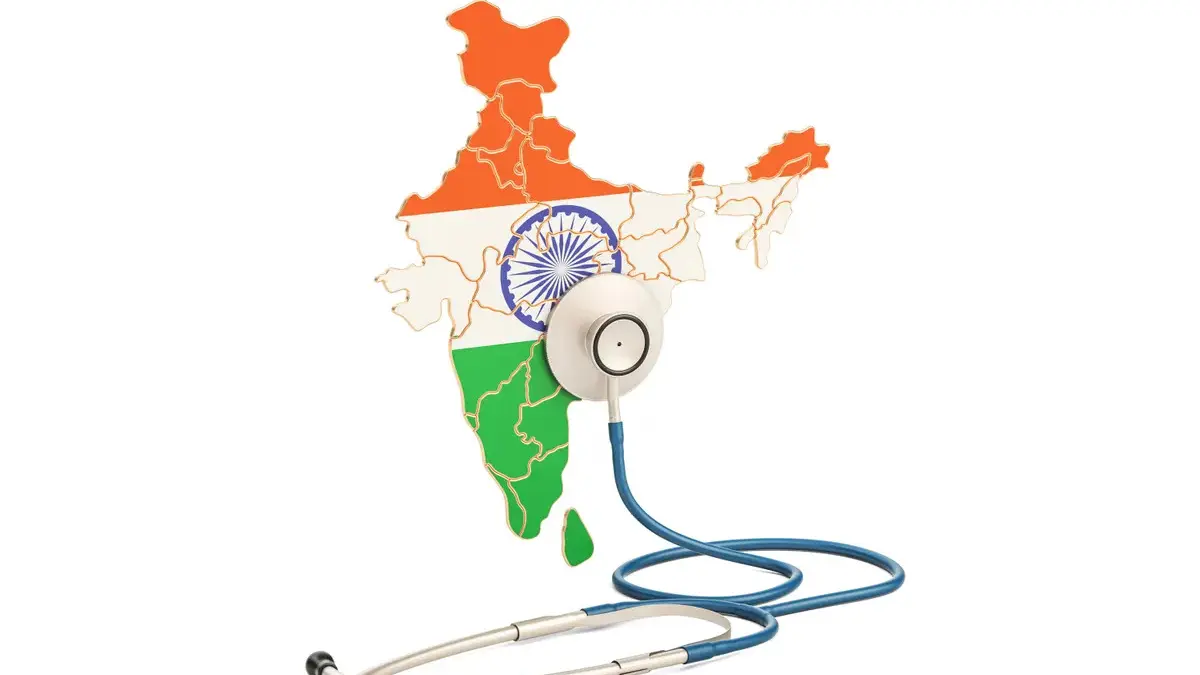
In India’s Union Budget 2026–27, Finance Minister Nirmala Sitharaman announced a historic expansion of healthcare funding, with total allocations crossing ₹1 lakh crore for the first time. This milestone reflects a broad and strategic push to strengthen the health sector from expanding hospitals and modern medical education to boosting biopharma capacity, lowering drug costs, and promoting medical tourism. By blending short-term relief with long-term investments, the Budget seeks to improve accessibility, quality and affordability of health services across the country.
Record Allocation Signals Priority Shift
Health has traditionally been one of the key social sectors where the Indian government maintains a steady commitment. This year’s crossing of the ₹1 lakh crore mark in healthcare allocations reflects a political and economic recognition that robust health systems are not only a social necessity but also a foundation for economic resilience and productivity.
While previous budgets gradually increased health allocations year on year, Budget 2026 significantly expands both revenue support and capital spending, addressing persistent gaps in care delivery, medical infrastructure, workforce shortages and pharmaceutical research capabilities.
Major Pillars of the 2026 Healthcare Push
1. Biopharma and Innovation: A Strategic Bet
One of the most talked-about initiatives is the “Biopharma Shakti” programme, backed by an outlay of ₹10,000 crore dedicated to building India’s capabilities in biologics and biosimilars complex medicines essential to treating cancers, autoimmune diseases and other chronic illnesses. The programme aims not just to boost domestic manufacturing but to graduate India toward being a global biopharmaceutical hub.
2. Medical Workforce and Education Expansion
The Budget made notable investments in healthcare human resources. Plans are now in place to train and certify over 1 lakh allied health professionals in areas like optometry, radiology and anaesthesia over the next five years, while allied care training for 1.5 lakh caregivers will be expanded in areas such as geriatric care and wellness. This addresses a long standing workforce gap that affects hospitals and clinics nationwide.
3. Regional Medical Tourism and Hubs
Five regional medical tourism hubs will be developed in partnership with state governments and private entities to attract international patients and promote integrated health services. These hubs combine modern clinical facilities with diagnostics, rehabilitation and even traditional medicine centres.
4. Strengthening Traditional and Mental Health Care
Alongside modern medicine, Budget 2026 also prioritises traditional systems like Ayurveda by establishing three new All India Institutes of Ayurveda and upgrading related research facilities. The plan also includes strengthening mental health services by expanding institutions and training professionals in specialties often overlooked in past budgets.
5. Short-Term Relief in Critical Care
Recognising financial strain on patients, the government waived customs duty on 17 cancer drugs and exempted medicines for certain rare diseases from import levies. This reduces costs and improves affordability for patients needing high cost treatments.
Beyond Allocations: What This Means for Citizens
For ordinary families, this expansion means more than just numbers in a finance statement. It translates into better access to care, more specialists and allied professionals in hospitals, reduced drug costs, and increased opportunities for employment in health services. Areas that once struggled with doctor shortages and limited services may now see real improvements in quality and reach.
The push for medical tourism hubs will also draw international patients to Indian healthcare facilities, spreading economic benefits and encouraging upgrades in service quality and infrastructure.
In addition, the significant focus on allied health education from training programs to new institutes helps build a more holistic health ecosystem. These professionals play vital roles in labs, diagnostic centres and support services and are often the backbone of functional healthcare systems.
Challenges and the Road Ahead
Experts have not minced words about continued challenges. Healthcare spending in India has traditionally hovered below global averages relative to GDP, and many advocates continue to call for even higher allocations to achieve Universal Health Coverage. They argue that sustainable healthcare must go hand in-hand with stronger public systems, reduced out of pocket costs, and better rural access.
Yet, crossing the ₹1 lakh crore threshold is a symbolic and practical milestone one that shifts India’s healthcare narrative from incremental fixes to strategic transformation. The 2026 Budget paints health as an engine of economic opportunity and social security, not just an expense line item, and signals that India is ready to compete globally in both traditional and modern health domains.
For more such budget updates visit EQMint
Resource Link : CNBC
Disclaimer: This article is for informational and educational purposes only. Budget proposals and tax changes are subject to legislative approval, rules, and notifications. Readers are advised to consult qualified tax, legal, or financial professionals before making any decisions.