
Gravita India Limited has emerged as one of India’s leading recycling and manufacturing companies, specializing in lead, aluminium, and plastic recycling. With operations spread across multiple countries and a strong export footprint, the company plays a vital role in building a sustainable circular economy. By transforming industrial and post-consumer waste into valuable raw materials, Gravita not only supports manufacturing industries but also contributes to environmental preservation. Its consistent growth, global expansion strategy, and focus on operational efficiency have positioned it as a key player listed on both the National Stock Exchange of India Limited and the BSE Limited.
Author : Aashiya Jain | EQmint | Corporate Updates
Introduction: Building Value from Waste
In a world where sustainability is no longer optional but essential, companies that can turn waste into opportunity stand out. Gravita India Limited is one such enterprise. Established in 1992 and headquartered in Jaipur, the company began its journey as a modest lead recycling unit. Over the years, it has grown into a multinational recycling powerhouse with operations across Asia, Africa, and Central America.
What makes Gravita’s story compelling is not just its expansion, but its mission. The company operates on a simple yet powerful principle: recycle, reuse, and regenerate. By processing used batteries, scrap metals, and other industrial waste, Gravita produces refined lead, aluminium alloys, and recycled plastics that feed back into the manufacturing supply chain.
Core Business Segments
Gravita’s operations are primarily divided into three major verticals:
1. Lead Recycling and Manufacturing
Lead remains the backbone of Gravita’s business. The company recycles used lead-acid batteries and produces refined lead and lead alloys. These products are widely used in automotive batteries, energy storage systems, and industrial applications. As electric vehicles and renewable energy storage systems gain traction, the demand for reliable battery materials continues to rise strengthening Gravita’s relevance in the evolving energy ecosystem.
2. Aluminium Recycling
In addition to lead, Gravita processes aluminium scrap into high-quality aluminium alloys. Aluminium recycling consumes significantly less energy compared to primary production, making it both cost-effective and environmentally responsible. These alloys are supplied to automotive and engineering industries, which increasingly prioritize sustainable sourcing.
3. Plastic Recycling
The company has also ventured into plastic recycling, producing granules and reprocessed materials for industrial use. This diversification reflects Gravita’s broader ambition to become a comprehensive recycling solutions provider.
Global Footprint and Expansion
Gravita’s global presence is one of its biggest strengths. The company runs manufacturing facilities in India and also in places like Ghana Tanzania Mozambique and other regions. This international footprint helps it secure raw materials and serve global markets efficiently.
Exports make up a big chunk of the company’s revenue. By serving customers in Europe Asia and Africa Gravita has reduced its reliance on any single geography. This diversified approach has helped the company manage risks and keep growing steadily over time.
Details of the Capacity Expansion
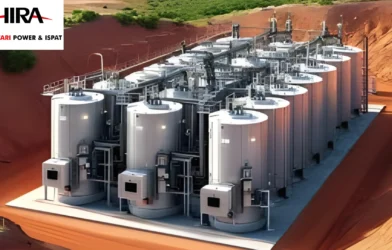
The company’s existing capacity at the Mundra unit stands at 64,800 MTPA. Notably, this capacity is already operating at close to full utilization, indicating robust demand for its products. To address this growing demand and avoid production constraints, Gravita has decided to add an additional 80,300 MTPA to the facility.
Once completed, the expansion will significantly enhance the company’s production capabilities, effectively more than doubling the unit’s current capacity. The additional capacity is scheduled to be implemented during the financial year 2025–26.
The proposed expansion requires an estimated investment of approximately ₹49 crore. Importantly, Gravita plans to finance this investment entirely through internal accruals. By relying on its own generated funds, the company demonstrates financial discipline and a strong balance sheet, reducing dependency on external borrowing.
Financial Performance and Market Presence
Over the past few years, Gravita India Limited has demonstrated steady financial growth, supported by increasing demand for recycled materials and efficient capacity utilization. Its shares are actively traded on the NSE and BSE, reflecting investor confidence in the recycling sector’s long-term prospects.
The company’s strategic focus on capacity expansion, backward integration, and cost optimization has strengthened margins. Additionally, its ability to scale operations while maintaining environmental compliance has enhanced its credibility among stakeholders.
Sustainability at the Core
Gravita’s business model aligns naturally with sustainability goals. Recycling metals significantly reduces carbon emissions, conserves natural resources, and lowers energy consumption compared to primary mining and processing.
For instance, recycling lead requires far less energy than extracting it from ore. This reduction in energy use directly contributes to lower greenhouse gas emissions. Similarly, aluminium recycling saves up to 95% of the energy required for primary production.
By embedding sustainability into its operations, Gravita supports India’s broader environmental objectives and global climate commitments. The company’s circular approach ensures that materials remain in use for as long as possible, minimizing landfill waste.
Challenges and Future Outlook
Like any manufacturing-driven enterprise, Gravita faces challenges such as raw material price volatility, regulatory compliance, and global economic fluctuations. However, the long-term outlook for recycling remains positive.
Growing environmental awareness, stricter waste management laws, and increasing industrial demand for recycled materials are likely to drive future growth. Gravita’s strategy of expanding capacity, entering new geographies, and diversifying into additional recycling streams positions it well for sustained progress.
Conclusion
Gravita India’s decision to expand its Mundra recycling unit reflects confidence in the long-term growth of the recycled lead market. With existing capacity of 64,800 MTPA already nearly fully utilized, the addition of 80,300 MTPA marks a bold yet calculated step forward.
As industries increasingly prioritize sustainability and resource efficiency, companies like Gravita that specialize in recycling are likely to play a pivotal role in shaping the future of manufacturing.
In essence, this move is more than just a capacity addition it is a strategic investment in growth, sustainability, and long-term competitiveness.
For more such information visit EQMint
Resource Link : BSE
Disclaimer: This article is not an investment advice and is for educational purpose only