

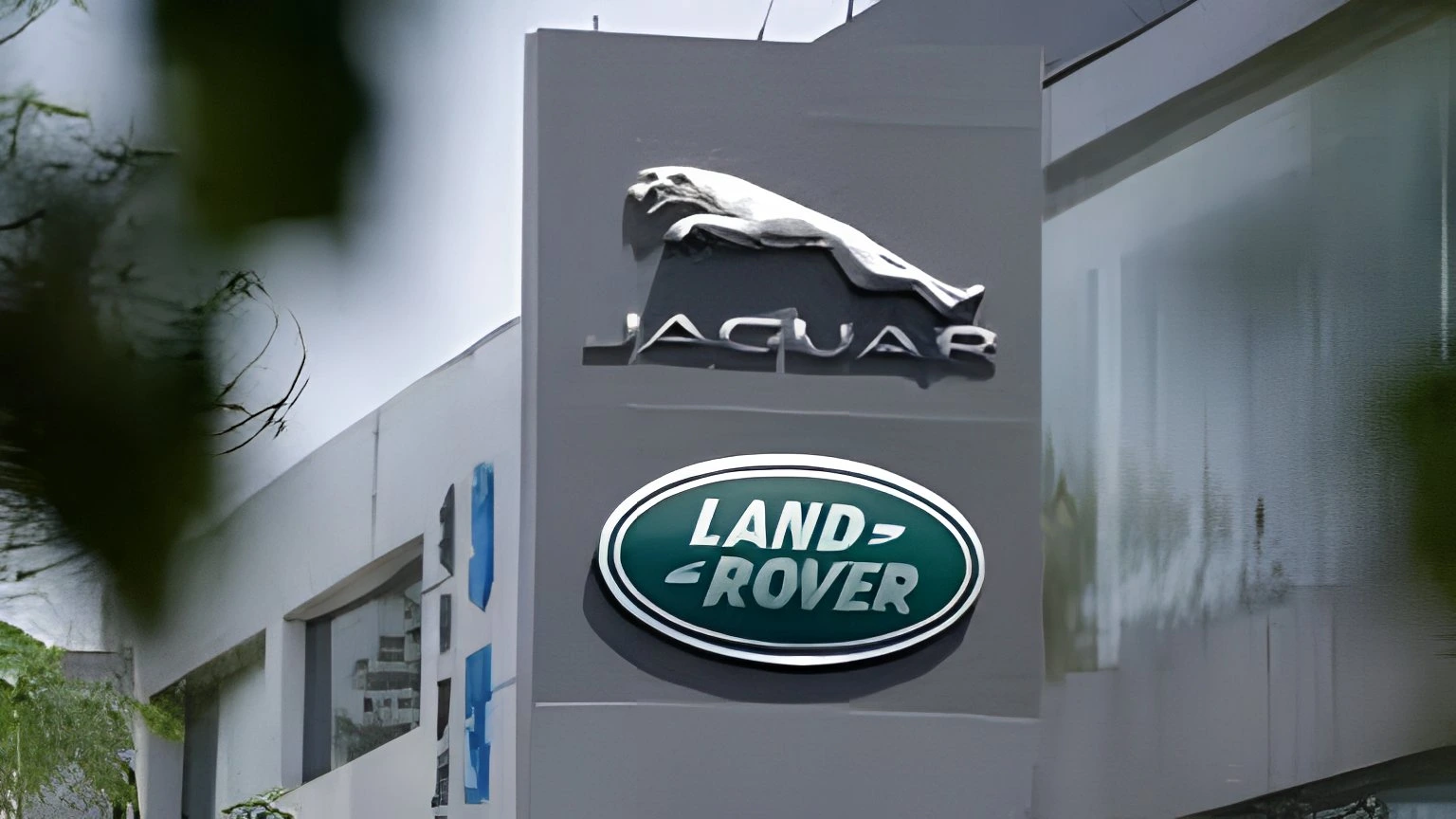
The automotive market in India has just entered high gear with the new manufacturing facility of Jaguar Land Rover (JLR) in the state of Tamil Nadu, potentially changing the future of high-end car production in the Indian market.
Author: Akshita Jain | EQmint | Maket News
Tata Motors and its subsidiary Jaguar Land Rover have opened a greenfield manufacturing plant in the state of the art Panapakkam, Ranipet district, Tamil Nadu. This broad-based investment is a historic step for the luxury automobile manufacturing in India and will pave the way to major growth of JLR’s expectations in the high-end automotive market of India.
The Tata Group is a well-established investment with the hub, which is a sprawling facility, being inaugurated with much pomp by Tamil Nadu Chief Minister M.K. Stalin and the top managers of the Tata Group. The introduction of the plant is possible when India is on a high pace of establishing itself as the choice of location to manufacture high-end vehicles, both to serve the local and export markets.
A New Age in the High Quality Automobile Production
The core of this development is that the plant is able to develop next-generation vehicles, namely luxury SUVs, as well as the electric line of next-generation vehicles for both Tata Motors Passenger Vehicles and Jaguar Land Rover Automotive Plc. The Range Rover Evoque, a locally assembled vehicle, became the first car to come out of the assembly line, marking the first milestone of India in the changing position in the international auto supply chain.
The facility, which is destined to become the most rational in terms of capacity to achieve the annual production level of 250,000-300,000 units in the next five to seven years, will cater to the increasing domestic and export markets in Asia, Europe, and other places.
The plant is the result of a strategic change to make India the first place in automotive innovation with advanced manufacturing technologies, sustainable operation standards, and integration into the rapidly growing automotive ecosystem in India, that is, Make in India, for the World.
Increasing Employment and Local Economy
The plant will cause a significant economic impact on a large scale, other than on an industrial scale. The officials project that approximately 5,000 direct employment opportunities will be generated, and more will be generated by having more ancillary supplier industries in the area.
Tata Motors has put in place a skills development program that is given to local talent to accommodate this growing workforce. The most important recruits would be technicians who have been trained via a program that enables them to balance their on-site work with academic qualifications (company-sponsored engineering degrees) to reflect a long-term investment in empowering the workforce and expanding the region.
Sustainability at the Core
The plant is an example of a future-ready manufacturing facility, which is largely concerned with environmental sustainability. It is projected to be powered by 100% of renewable energy, to have water-positive processes, and to achieve high emissions standards in the global automotive manufacturing, which is a standard that automotive manufacturing in India will follow.
This sustainability-oriented model reflects a similar strategy of policies of the wider Indian focus on clean manufacturing and efficient power use, which provides a model to follow by other sectors that aim to reconcile global competitiveness and environmental responsibility.
So what does it mean to the Indian Automotive Market?
This plant is expected by experts to become a game changer in the luxury car market in India, which has traditionally been behind markets such as the U.S and Europe in the production of luxury cars locally. Some may wonder whether this will result in a frank reduction of the prices of the Indian consumers, particularly considering the luxury status of the JLR cars, but the benefits of local production are obvious: shorter delivery times, less import tariffs, and greater competitive advantage over other new brands such as Mercedes-Benz, BMW, and Audi.
In addition, the opening of the plant is timed when the car industry in India is quickly developing. As more people switch to electric cars and more high-Income consumers emerge, the new plant will put Tata Motors and JLR in a good position to respond to changes in consumerism trends and policy changes in favor of clean mobility.
Strategic Development in the Face of the Global Problems.
Although the growth is a milestone in JLR’s dreams in India, it comes at a time when the global economy is raising serious concerns about the automotive giant, such as the previous setbacks, and the supply chain hiccups that have put JLR on its toes. However, Tata Motors remains on the offensive, and they believe that with such an investment, they can enhance their domestic operations as well as their competitiveness on the global stage.
Conclusion
The opening of the Panapakkam production plant is not just a production breakthrough but also a new story in the Indian luxury car history. As a country with a specific investment, increased manufacturing capacity, and a solid vision that revolves around sustainability and innovation, India is becoming a regional centre in the production of quality cars.
With the first locally made Range Rover being launched, it not only marks the beginning of a vehicle but also a dream, where India, driven by innovation, talent, and sustainable development, is on the global car frontline.
For more such information: EQmint
Resource Link: ET