
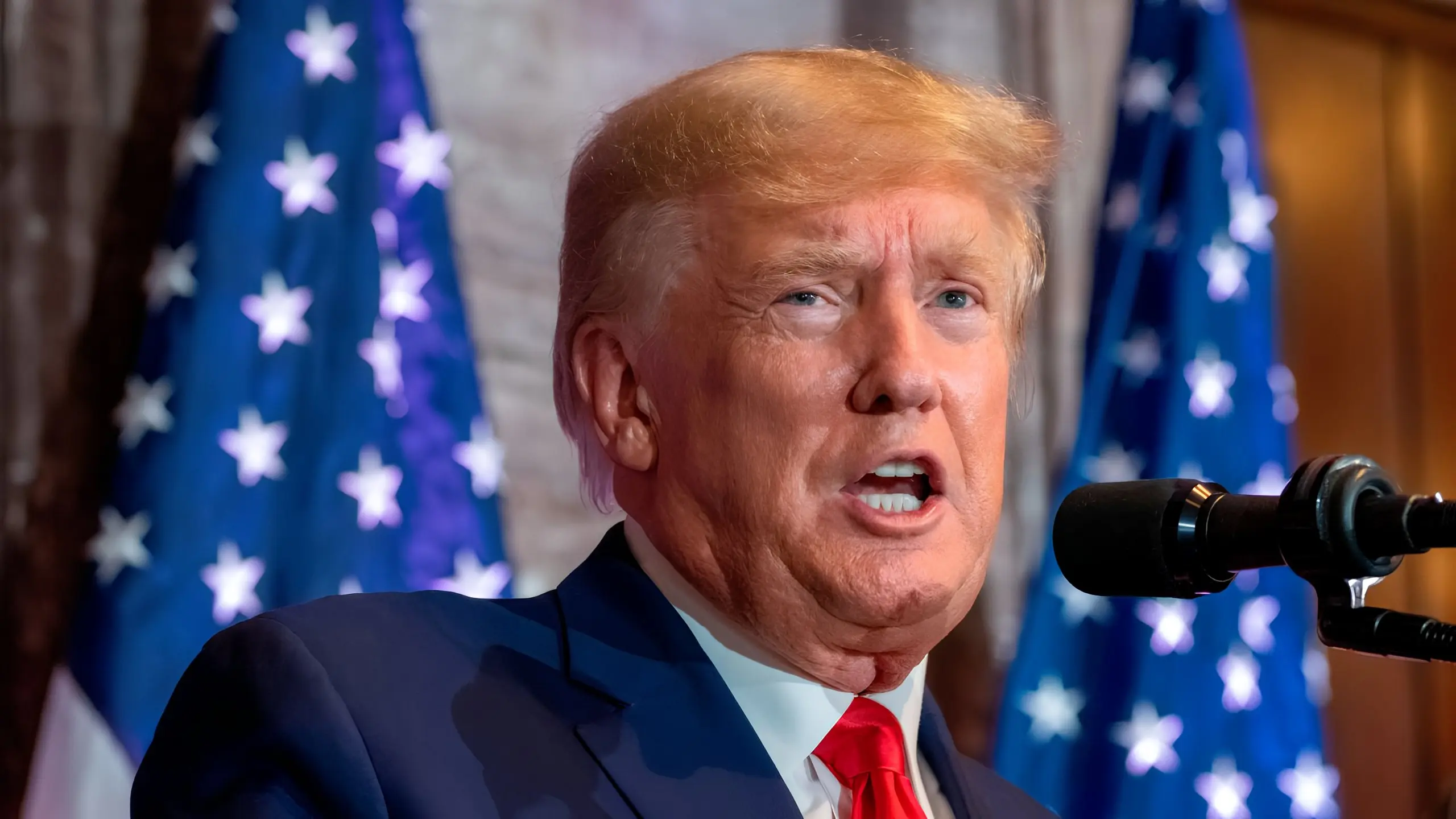
The U.S. Supreme Court has delivered a landmark ruling by declaring a broad set of tariffs imposed by former President Donald Trump illegal, saying they exceeded presidential authority. While this decision could unlock billions of dollars in potential refunds for companies that paid these duties, the highest court stopped short of outlining how the repayment process should work. As a result, importers, legal experts, and lawmakers now face a complex path ahead to reclaim funds that many businesses have already paid into the U.S. Treasury.
Author: Aashiya Jain | EQMint | Market News
A Shock to the System: The Supreme Court’s Decision
In a sweeping 6–3 ruling, the Supreme Court held that former President Trump lacked legal authority to impose tariffs across a vast range of imports using the International Emergency Economic Powers Act (IEEPA) a statute originally intended for national security emergencies, not trade policy. This judgment not only undercuts a key element of Trump’s economic agenda but also throws into question roughly $175 billion in tariff revenue collected since the levies were introduced.
Critically, the Court’s opinion did not specify whether or how companies that paid tariffs should receive refunds a decision that has triggered a new layer of uncertainty for American businesses and importers around the world.
Why Refunds Matter: The Stakes for Businesses
Tariffs are basically taxes that importers pay right when goods enter the United States. Often tied to customs duties that help fund federal revenues. In practice many companies absorb these costs themselves or pass them down to consumers through higher prices. Estimates suggest that nearly 90% of the burden of Trump’s tariffs was borne domestically by U. S. firms and shoppers not by foreign exporters.
That means refunding these tariffs isn’t just about bookkeeping. It’s about potentially handing back billions of dollars to companies that may have paid higher costs throughout 2025 and 2026. Sectors like retail automotive manufacturing and agriculture faced significant cost increases tied to tariff payments and now hope to reclaim some of their outlays. Even so the Supreme Court’s silence on refunds leaves vital questions unanswered. Who is eligible. What process will be used. Can small businesses realistically navigate the legal maze to get their money back.
The Legal Path Ahead: Lawsuits and Courts
Because the Supreme Court did not create a refund mechanism, trade experts expect the issue to return first to the U.S. Court of International Trade, which earlier ruled it could reorder tariff determinations and grant refunds with interest if appropriate. Importers now face the possibility of filing individual lawsuits in that court to pursue their claims, a process that could take years and might impose significant legal costs particularly for smaller firms with limited resources.
More than 1,000 lawsuits have already been filed seeking refunds, and that number is likely to grow. Some companies have even begun selling their refund claims to investors in exchange for upfront cash, betting that legal victories will eventually lead to payouts.
This litigation-based approach contrasts sharply with calls from some business coalitions and lawmakers who want automatic repayments to ease the administrative burden and avoid clogging up the courts with individual cases.
Roadblocks and Complexities
Several thorny legal and administrative issues complicate the picture:
- Importer of Record: Only the entity officially recorded as the importer for customs purposes may be eligible for a refund, which can create contractual disputes when tariffs are paid by one company but billed indirectly through another.
- Documentation Requirements: Proper customs paperwork and records will be critical to proving eligibility, a challenge for smaller businesses that lack robust compliance systems.
- Time Limits: Under U.S. trade law, importers generally have two years from the date of tariff collection to file a refund claim a deadline that will shape litigation strategies.
These hurdles mean that while refunds remain possible, obtaining them won’t be straightforward or uniform across the business landscape.
Broader Economic and Trade Impacts
The ripple effects of the Supreme Court’s ruling extend beyond refunds. Investors and markets reacted positively to the decision, with retail and apparel stocks surging, reflecting relief that cost pressures tied to tariffs may ease.
Internationally, countries like India, the UK, and others that faced reciprocal tariffs under Trump’s policy now see some of their trade tensions lessen, though uncertainty remains about future trade negotiations.
What Comes Next
For now the story of tariff refunds in the United States is one of legal limbo and procedural complexity. Companies may ultimately recoup billions of dollars but they must prepare for a lengthy and costly journey through the courts. And maybe they need to influence policymakers to craft more efficient solutions.
Whether refunds arrive via litigation legislative action or administrative action remains to be seen. What is certain is that the Supreme Court’s dramatic decision has opened one of the most significant trade and economic debates in recent U. S. history. One that could reshape how future tariff policies are made and reversed.
For more such information visit EQMint
Resource Link : ET
Disclaimer: This article is not an investment advice and is for educational purpose only