

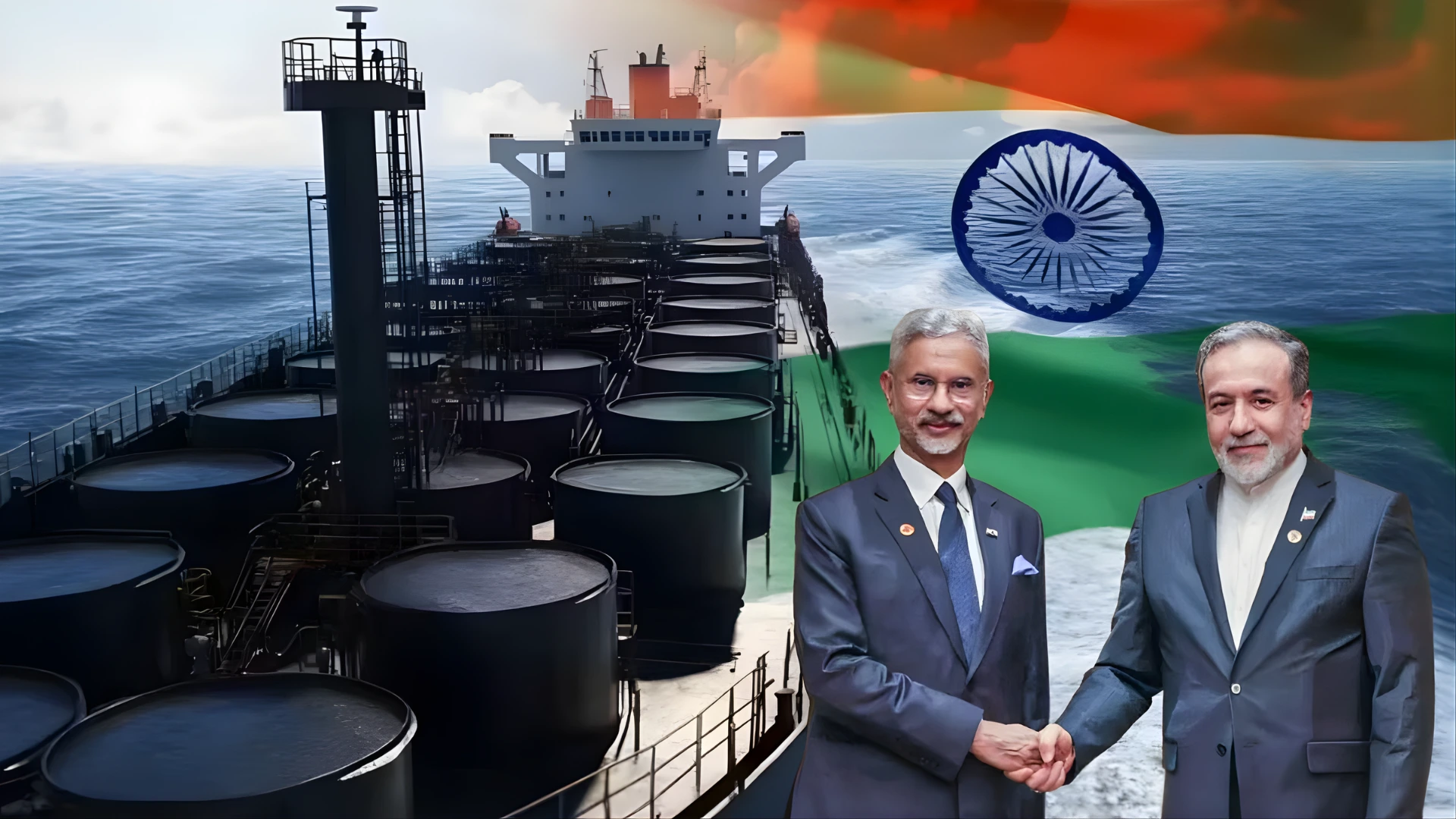
Iran has allowed ships from India and other “friendly nations” to pass through the Strait of Hormuz despite ongoing conflict. The move could ease global oil supply disruptions and stabilize energy markets.
Author: Aadarsh Patel | EQMint
Tehran/New Delhi, March 27, 2026: In a major development amid escalating tensions in the Middle East, Iran has announced that ships from select “friendly nations,” including India, will be allowed to pass through the strategically critical Strait of Hormuz.
Iranian Foreign Minister Abbas Araghchi confirmed that vessels from India, China, Russia, Iraq, and Pakistan have been granted access, even as restrictions remain in place for countries considered adversaries.
Key Highlights
- India among 5 nations allowed Hormuz passage
- Iran maintains restrictions on “enemy” ships
- Move may ease global oil supply disruptions
- First LPG cargo to India expected soon
- Signals strategic geopolitical positioning
Strait of Hormuz India News: What Happened
The Strait of Hormuz India news comes as Iran partially relaxes its control over one of the world’s most important oil routes.
Key details:
- Passage allowed only for “friendly nations”
- Ships must coordinate with Iranian authorities
- Restrictions continue for US and allied vessels
Iran emphasized that it has established “sovereignty” over the waterway, reinforcing its strategic control.
Why the Strait of Hormuz Matters
The Strait of Hormuz is one of the most critical chokepoints in global trade:
- Handles nearly 20% of global oil supply
- Key route for crude oil, LNG, and fertilizers
- Any disruption impacts global energy prices
The recent conflict had nearly halted traffic, causing major supply concerns.
India Oil Supply Iran War: Big Relief
The decision is a significant positive for India.
- Helps resume oil and LPG imports
- Eases domestic fuel supply concerns
- Supports industries dependent on energy
India is already expected to receive its first LPG cargo through the route soon, signaling normalization of trade flows.
Iran’s Strategy: Selective Access
Iran’s approach reflects a calculated geopolitical strategy:
- Allow allies → maintain trade and goodwill
- Block adversaries → apply pressure
- Retain control → strengthen negotiating power
Earlier, Iran had stated that only “non-hostile” vessels would be allowed safe passage.
Global Impact: Oil, Trade & Markets
The move could have major global implications:
Positive Outcomes
- Stabilization of oil prices
- Improved supply chain flow
- Reduced shipping disruptions
Ongoing Risks
- War tensions remain high
- Passage still conditional
- Potential for sudden restrictions
Strategic Message to the World
By allowing selective access, Iran is signaling:
- Control over critical global infrastructure
- Willingness to engage with neutral or friendly nations
- Resistance against Western pressure
Reports also suggest Iran may consider charging transit fees, further asserting control over the route.
Conclusion
Iran’s decision to allow India and other friendly nations access through the Strait of Hormuz marks a crucial shift in the ongoing crisis. While it offers relief for global energy markets, the situation remains fragile, with geopolitical tensions continuing to shape the future of this vital trade route.
For more such information visit EQMint