
9 April 2026 (Thursday)
EQmint Originals

India Just Mastered ‘Infinite’ Energy: Kalpakkam’s Nuclear Miracle Hits Major Milestone

April 9, 20262 Mins Read
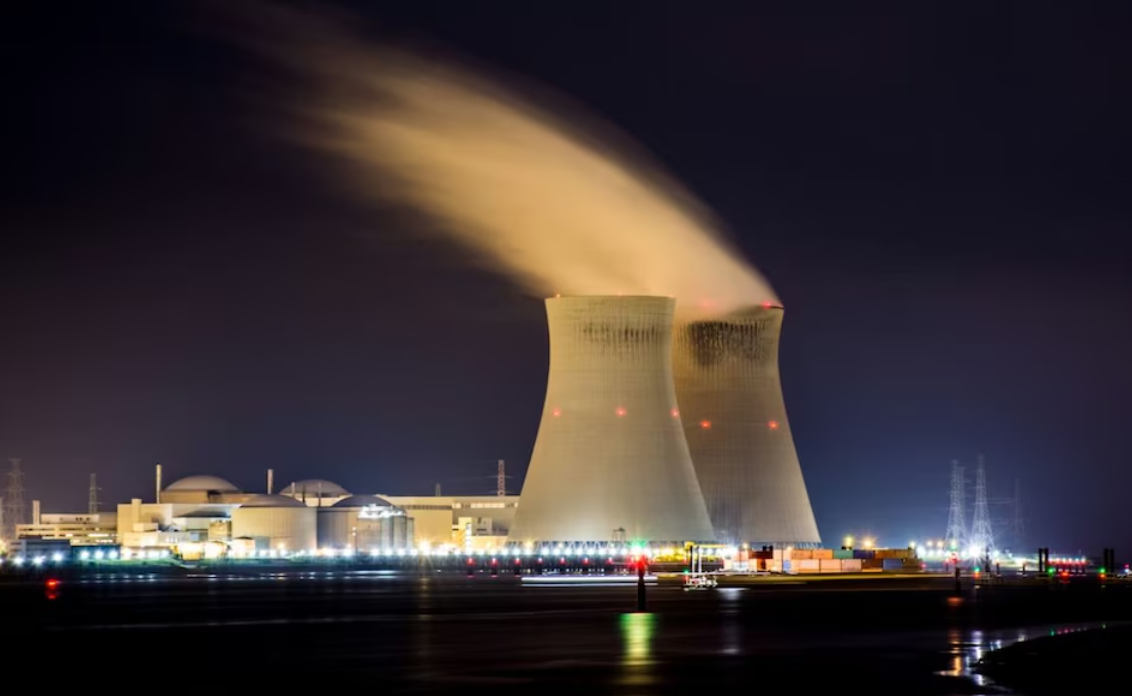
The PFBR was developed by the Indira Gandhi Centre for Atomic Research (IGCAR)
Email :

Author:  Ashish Pareek | EQMint


KALPAKKAM — In a move that marks a tectonic shift in India’s quest for energy independence, the indigenously developed Prototype Fast Breeder Reactor (PFBR) at Kalpakkam, Tamil Nadu, has successfully attained its first criticality.

Prime Minister Narendra Modi hailed the milestone as a “defining step” in India’s civil nuclear journey, congratulating the scientists at the Indira Gandhi Centre for Atomic Research (IGCAR) for achieving a feat that only a handful of nations have mastered.


What is a “Fast Breeder” and Why Does it Matter?

Most nuclear reactors are “burners”, which means they consume fuel to produce heat. A Fast Breeder Reactor, however, is a technical marvel that produces more fuel than it burns.


By using Uranium-Plutonium Mixed Oxide (MOX) fuel and high-speed neutrons, the PFBR “breeds” fresh plutonium from depleted uranium while it generates electricity. This “closed fuel cycle” ensures that India can extract nearly 60 times more energy from its uranium resources than traditional reactors.


The Gateway to the “Thorium Dream”

This milestone is the linchpin of India’s unique three-stage nuclear program, designed decades ago by Dr Homi J. Bhabha.


Stage 1: Pressurised Heavy Water Reactors (PHWRs).
Stage 2: Fast Breeder Reactors (The current milestone).
Stage 3: Thorium-based Reactors.


India holds roughly 25% of the world’s thorium reserves. The success of the PFBR at Kalpakkam is the essential “bridge” needed to finally tap into those massive thorium deposits, which could power India for centuries without the need for imported fuel.


Technical Prowess: Liquid Sodium & Safety

The PFBR is a complex engineering beast. It uses liquid sodium as a coolant, which operates at much higher temperatures than water but at lower pressures, increasing the plant’s thermal efficiency. Despite the challenges of handling reactive sodium, the IGCAR team has validated the safety and operational protocols, paving the way for the reactor to be synced with the power grid.


The 2047 Vision

The timing of this criticality is crucial. In the 2025-26 Union Budget, the government set an ambitious target of reaching 100GW of nuclear power by 2047. With the PFBR now online, India is moving away from smaller pilot projects toward large-scale, sustainable nuclear infrastructure.


Beyond Kalpakkam, the government has already earmarked ₹20,000 crore for Small Modular Reactors (SMRs), signalling that nuclear energy – once a secondary player – is now the backbone of India’s “Net Zero” strategy.

Leave a Reply

Your email address will not be published. Required fields are marked *

Related Posts

eqmint