
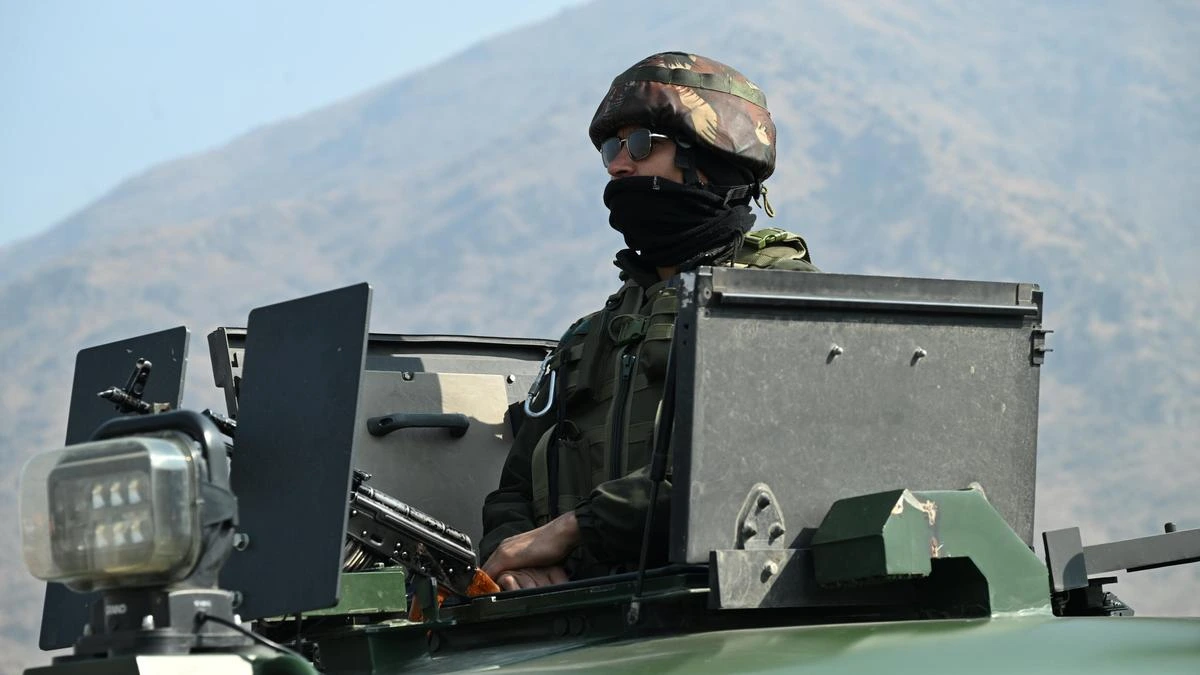
India has unveiled its first comprehensive anti-terror policy PRAHAAR, marking a major step in strengthening national security. The framework focuses on prevention, coordination, intelligence sharing, and rapid response to emerging threats.
Author: Aditya Pareek | EQMint
India has introduced PRAHAAR, the country’s first comprehensive national anti-terror policy, marking a significant milestone in strengthening internal security and counter-terrorism preparedness.
The PRAHAAR anti terror policy aims to create a unified and proactive framework to tackle evolving security threats and enhance coordination among multiple agencies.
Why India Needed an Anti-Terror Policy
India has faced various security challenges over the decades, including cross-border terrorism, radicalisation, and cyber threats.
The India anti terror policy has been designed to:
- Strengthen prevention mechanisms
- Improve intelligence sharing
- Enhance inter-agency coordination
- Develop rapid response capabilities
This marks a shift from reactive to proactive security planning.
Key Objectives of PRAHAAR
The PRAHAAR security policy India focuses on multiple strategic pillars.
 Prevention
Strengthening early detection and threat monitoring.
 Preparedness
Improving training, technology, and infrastructure.
 Response
Ensuring rapid and coordinated action during crises.
 Recovery
Enhancing post-incident response and resilience.
These pillars form the backbone of the India counter terrorism strategy.
Stronger Coordination Among Agencies
One of the major goals of the India national security policy is to improve collaboration among:
- Intelligence agencies
- Law enforcement
- Armed forces
- Cybersecurity teams
- Disaster response units
This integrated approach ensures faster decision-making and better crisis management.
Focus on Technology and Intelligence
The PRAHAAR anti terror policy places strong emphasis on technology.
Key areas include:
- Artificial intelligence for threat detection
- Data analytics for risk assessment
- Cybersecurity measures
- Surveillance and monitoring systems
Technology is expected to play a critical role in modern counter-terrorism.
Cybersecurity and Digital Threats
Terrorism is increasingly moving into the digital space.
The India anti terror policy includes measures to address:
- Online radicalisation
- Cyber-attacks
- Digital propaganda
- Financial tracking of terror funding
This reflects the evolving nature of global threats.
Community and Public Awareness
The India counter terrorism strategy also focuses on public participation.
Key initiatives include:
- Awareness campaigns
- Community engagement
- Early reporting mechanisms
- Crisis preparedness training
Public cooperation is vital for effective national security.
Global Cooperation and Partnerships
India continues to work with global partners to combat terrorism.
The PRAHAAR security policy India strengthens:
- Intelligence sharing
- Joint training programs
- International cooperation
- Global counter-terror efforts
This aligns India with international best practices.
Impact on National Security
The India national security policy is expected to:
 Strengthen threat prevention Improve crisis response Enhance intelligence capabilities Build long-term resilience
This marks a major step toward a safer future.
What This Means for India
The launch of PRAHAAR signals India’s commitment to strengthening national security and adapting to modern threats.
The India anti terror policy could play a crucial role in shaping future security strategies.
Conclusion
The introduction of the PRAHAAR anti terror policy marks a historic moment in India’s security framework. With a focus on prevention, technology, coordination, and resilience, the India national security policy aims to create a safer and more secure nation.
For more such information visit EQMint