
As India takes the helm of the BRICS grouping in 2026, External Affairs Minister Dr. S. Jaishankar has outlined a people-centric vision anchored in four guiding priorities: resilience, innovation, cooperation, and sustainability. These pillars, he explained, will shape India’s leadership of the bloc from political and economic engagement to cultural and people-to-people cooperation. His remarks reflect a commitment to practical action in a world marked by challenges and shared aspirations.
Author : Aashiya Jain | EQmint | Sustainability
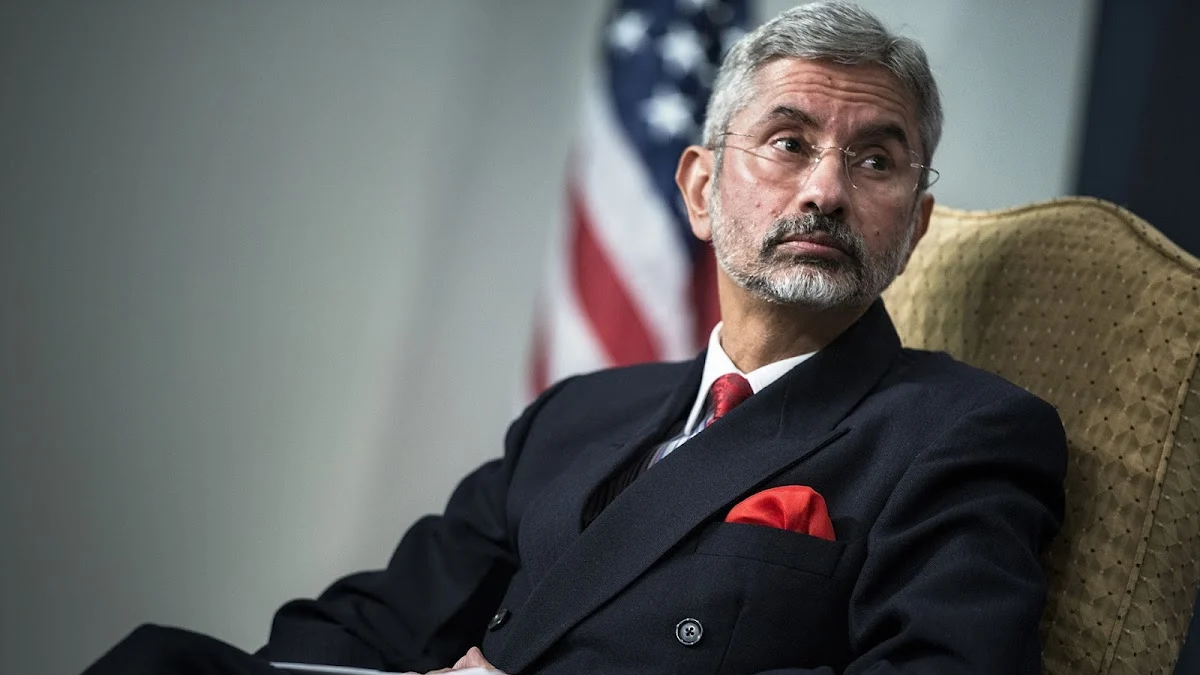
Stepping onto the stage in New Delhi on January 13, 2026, External Affairs Minister Dr. S. Jaishankar spoke like true a leader with blend of clarity . India had just unveiled the official logo and website for its BRICS 2026 Chairship, and the symbolism was unmistakable: a new chapter of collaboration among emerging global partners. But it was his words that set the tone for what lies ahead.
“India approaches its chairship with a humanity-first and people-centric approach, inspired by the guidance of Prime Minister Narendra Modi,” Jaishankar said, capturing the ethos that will drive India’s year at the helm of the influential bloc representing over 40 per cent of the world’s GDP and nearly half its population.
At the heart of his address were four broad priorities resilience, innovation, cooperation and sustainability a framework he described not as abstract ideals but as mutually reinforcing objectives that will guide BRICS action across political, economic and cultural fronts.
Resilience: Preparing for an Uncertain World
In his remarks, Jaishankar painted a vivid picture of a world that cannot afford to be caught off-guard again.
“At a time when the world is also navigating multiple complex challenges, the call for a reinvigorated, inclusive, and effective multilateral order has never been more urgent,” he said, highlighting how shocks from pandemics to climate volatility demand systems that can absorb and adapt to disruption.
Resilience, as he explained it, extends beyond national borders. It includes strengthening essential networks in health, agriculture, energy and supply chains so that nations are not just responsive, but robust in times of stress.
Innovation: A Shared Engine for Progress
Next on his list was innovation not as a buzzword but as a practical force for transformation.
Jaishankar said India’s theme “Building for Resilience, Innovation, Cooperation and Sustainability” reflects a belief that “cooperation among BRICS members can help address shared challenges in a balanced and inclusive manner.”
For him, innovation is essential not just in technology but in how nations collaborate from enhancing start-ups and micro-enterprises to harnessing digital tools that uplift ordinary lives. The minister underscored that inclusive innovation fuels economic growth while expanding opportunities across borders.
Cooperation: From Dialogue to Tangible Action
Cooperation, Jaishankar stressed, must go beyond rhetoric.
He reminded the gathering that BRICS is more than a network of nations it is a platform where countries can learn from one another and act together on global challenges. “BRICS remains an important forum for dialogue, cooperation, and practical solutions that respect national priorities,” he said, underlining that unity need not erase diversity.
His call for cooperation resonated with a world grappling with fractured geopolitics and overlapping crises. Jaishankar flagged the importance of people-to-people exchanges among youth, academics, artists and professionals as vital bridges that deepen mutual understanding and collective action.
Sustainability: Long-Term Vision for People and Planet
Sustainability completes the quartet of priorities a recognition that development must endure.
Jaishankar underscored that sustainable growth is not optional; it is imperative. In his address, he pointed out how shared environmental, social and economic responsibilities require coordinated approaches across nations.
In explaining the logo’s symbolism, he said it “draws strength from the collective contributions of its members while respecting their distinct identities,” a visual nod to shared purpose and sustainable coexistence.
A People-Centric Chairship
Though rooted in diplomacy and policy, Jaishankar’s message was unmistakably human.
He reminded attendees that BRICS soon to host its 18th Summit under India’s chairship — will also mark the grouping’s 20th anniversary. Reflecting on this milestone, he said the world’s interlinked challenges call for a more inclusive and cooperative multilateral system. This requires listening, adapting and working together principles that the four priorities embody.
Jaishankar’s address was not merely a declaration of intent; it was an invitation to collective responsibility. His emphasis on people-centric cooperation whether through economic ties, technological exchange, cultural interaction or environmental stewardship framed India’s leadership as one that seeks practical progress woven with empathy and inclusivity.
As BRICS nations embark on this journey together in 2026, India’s blueprint offers not just direction but promise that collaboration rooted in resilience, innovation, cooperation and sustainability can help shape a world where shared challenges meet shared solutions.
For more such Information : EQmint
Resource Link : ANI NEWS