

Author : Aashiya Jain | EQMint | General News
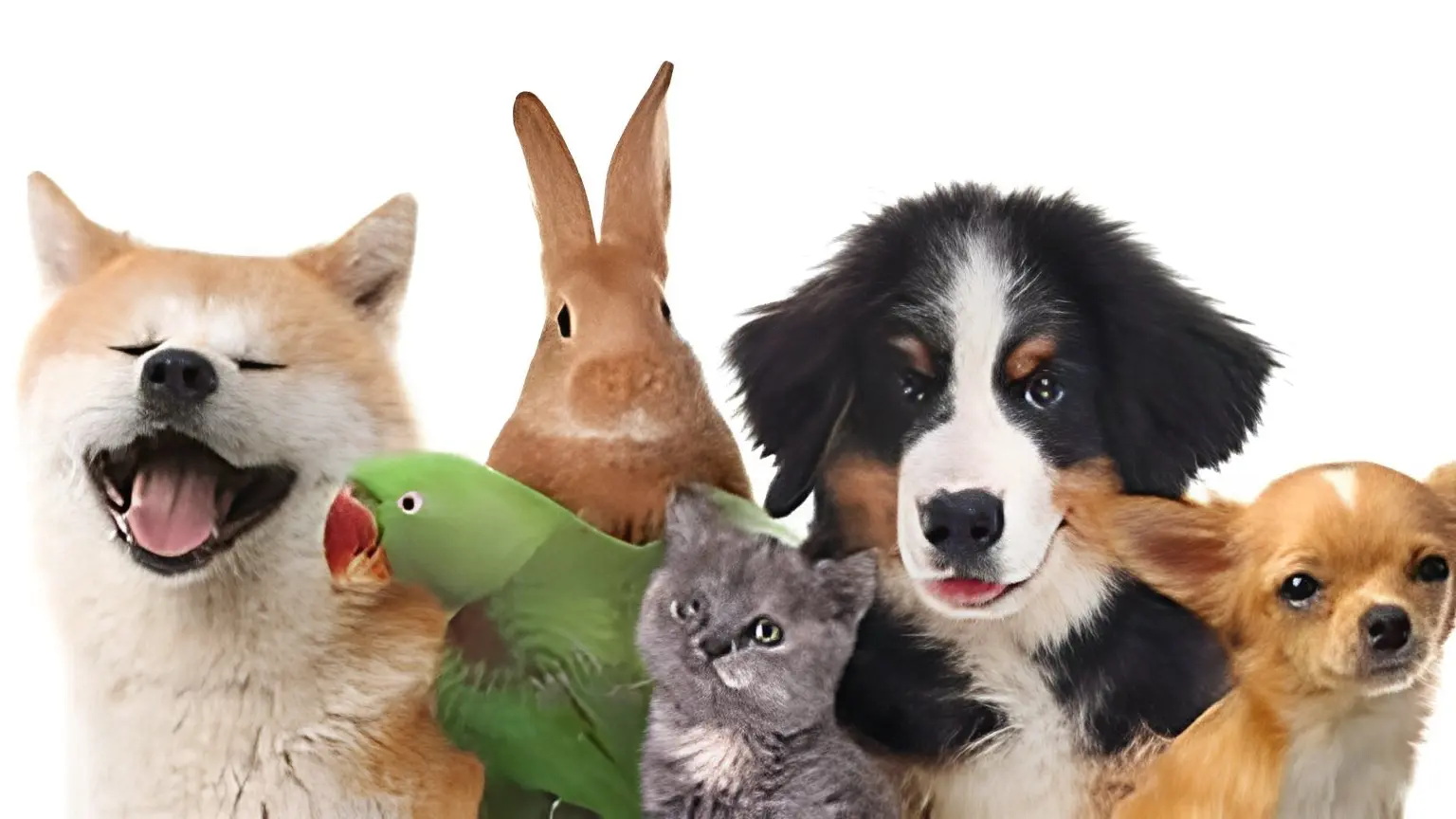
A quiet shift is unfolding inside Indian homes, one that does not make headlines every day but is steadily reshaping household priorities and consumer behaviour. Across cities and smaller towns alike, more families are welcoming pets into their lives. What was once considered a luxury or an occasional indulgence is now becoming a routine part of urban living. As pet ownership rises, spending on pets is growing rapidly, giving rise to a distinct and expanding consumer category.
For decades, pets in India were largely seen through a functional lens. Dogs guarded homes, cats controlled pests, and animals often lived outdoors rather than inside family spaces. That perception has been changing. Today, pets are increasingly treated as companions and, in many cases, as family members. This shift is particularly visible among younger households, nuclear families, and urban professionals who see pets as a source of emotional connection and stability.
The rise in pet ownership is closely tied to broader social changes. Urbanisation, delayed marriages, and smaller family sizes have altered how people seek companionship. For many working professionals, especially those living away from extended families, pets offer comfort and routine. The period following the pandemic further reinforced this trend, as long hours at home led many individuals to adopt animals for company and emotional support.
For many working professionals, especially those living away from extended families, pets offer comfort and routine. The companionship of a pet can significantly enhance emotional well-being, providing a sense of purpose and joy.
As the number of pet-owning households grows, spending patterns are changing just as quickly. Families are no longer limiting expenses to basic food or vaccinations. Instead, they are allocating budgets for specialised nutrition, grooming, veterinary care, accessories, and even wellness products. Industry observers note that overall spending in the pet segment has been rising sharply, with some categories seeing expenditure nearly double over a few years as owners prioritise quality and safety.
The Importance of Nutrition for Your Pet
Pet food is one of the most visible areas of growth. There is increasing awareness around balanced diets, breed-specific needs, and age-appropriate nutrition. Many owners are moving away from homemade food to packaged options that promise consistency and nutritional value. This has encouraged both global and domestic brands to expand their presence, offering dry food, wet food, treats, and supplements tailored to different pets.
Healthcare is another area witnessing steady expansion. Routine veterinary visits, vaccinations, and preventive care are becoming standard rather than optional. In larger cities, pet clinics now offer services that go beyond basic treatment, including diagnostics, dental care, and specialised surgeries. While pet insurance remains a relatively small segment, awareness around it is gradually increasing as medical costs rise.
The humanisation of pets has also influenced spending on lifestyle products. Collars, beds, toys, grooming tools, and clothing are no longer niche items. Online platforms and pet-focused stores have made these products widely accessible, allowing owners to explore options that suit both their pets’ needs and their own preferences. For many, these purchases are an extension of how they care for themselves and their homes.
This growing market has led to the emergence of a new consumer category that sits at the intersection of lifestyle, wellness, and care. Startups and established companies alike are entering the space, offering everything from organic pet food to app-based veterinary consultations. The sector’s growth reflects not just higher disposable incomes, but also a willingness to spend thoughtfully on animal well-being.
Importantly, this shift is not limited to metropolitan cities. Smaller towns are also seeing increased adoption and spending, supported by e-commerce and better access to services. While the scale may differ, the underlying mindset is similar: pets are valued companions, and their care is seen as a responsibility rather than an afterthought.
What makes this change significant is its quiet nature. There is no single policy decision or cultural moment driving it. Instead, it is the result of gradual shifts in lifestyle, emotional needs, and spending habits. Indian households are redefining what family looks like, and pets are increasingly part of that definition.
As the ownership continues to rise and spending patterns evolve, the category is likely to grow in both size and sophistication. What began as a subtle change inside homes is now shaping a robust consumer market, one built on care, companionship, and a deeper emotional bond between people and their pets.
For more such a information : EQMint
Resource Link :IG