
New Delhi: India’s external trade balance hit a curve in January as soaring gold imports caused the country’s trade deficit to rise worryingly to $34.68 billion. The ever-increasing gap between imports and exports has once again raised questions about the sustainability of the India trade deficit trend amidst volatile global markets.
Author: Akshita Jain | EQMint | Market News
India’s trade deficit in January was $34.68 billion, which was much higher than the previous month, as revealed by the official trade figures. The sharp rise in imports was mainly due to a significant increase in the purchase of yellow metal, along with high crude oil acquisition and strong domestic demand.
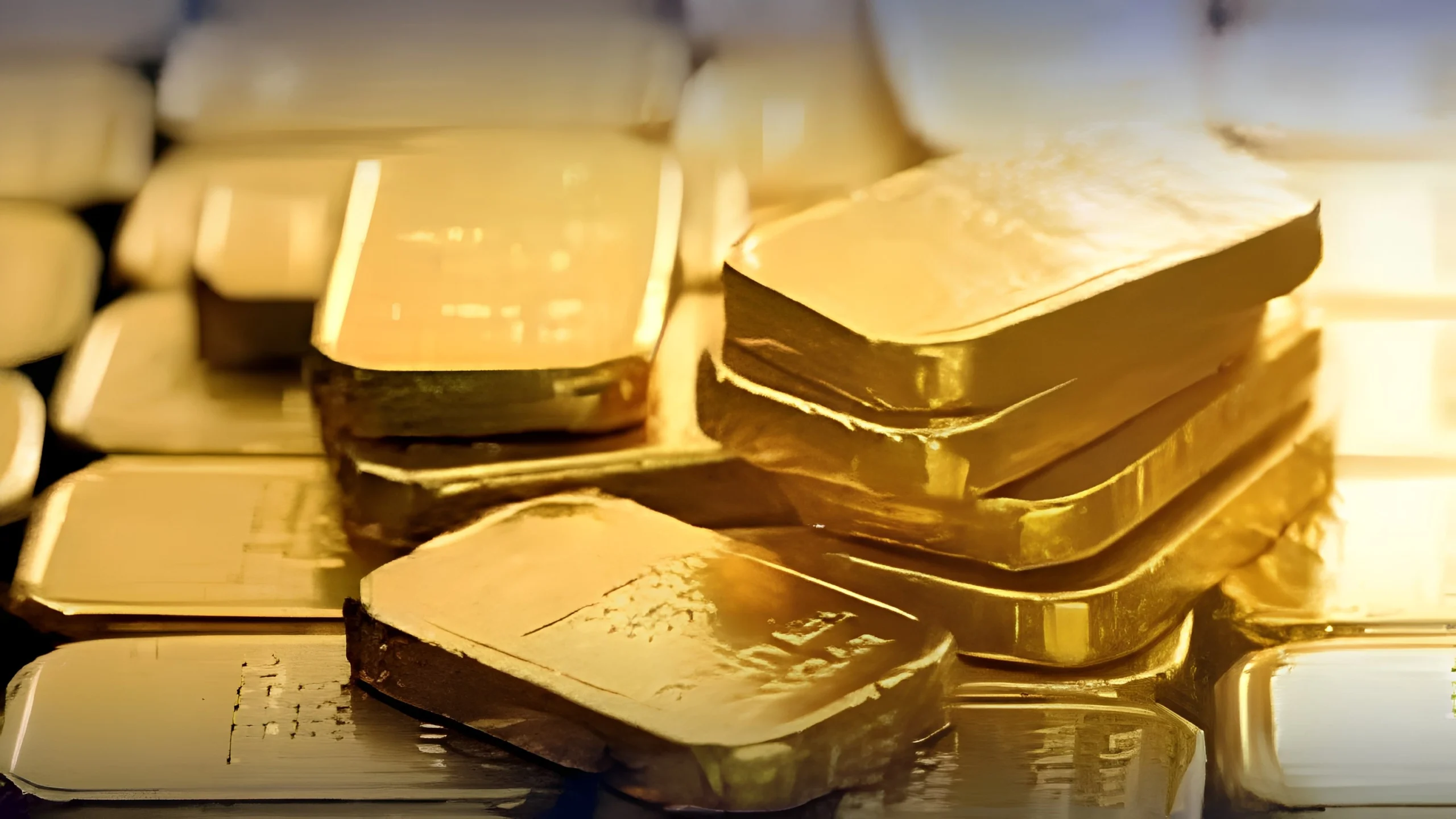
Gold Imports Responsible for Deficit Expansion
The growing India trade deficit in January 2026 was largely due to the sharp increase in gold imports, which rose sharply as jewellers and traders stocked up in anticipation of the festive and wedding seasons. Falling world prices during some parts of the month and possible price hikes in the future also prompted bulk buying.
Importing gold has always been one of the largest contributors to the Indian import bill. Besides, gold plays a significant role in Indian culture and is a popular investment option. On the one hand, heavy inflows put a strain on the current account balance.
Exports Demonstrate Mixed Performance
India generally recorded moderate growth in the exports of products such as engineering goods, pharmaceuticals, and electronic components. Nevertheless, the rise was not enough to negate the increase in imports.
All merchandise exports have been consistent, but the decrease in global demand in the major markets of Europe and some parts of Asia has a limiting effect on stronger expansion. In addition, a drop in the growth of textiles and petroleum exports has also negatively impacted the export figures.
The large difference between strong imports and relatively stable exports has had a direct impact on the elevated India trade deficit news figures for January.
Crude Oil and Other Imports Increase Pressure
Besides gold, another contributing factor to the enlarged deficit was the higher volume of crude oil imports. As a result of India’s heavy reliance on imported energy, the changes in oil prices globally have a significant impact on the balance of trade.
Increased gold imports in India in January, higher energy purchases, as well as steady demand for electronic goods, most likely pushed the total imports to one of the highest monthly levels in recent quarters.
Some believe that the rise in imports is a sign of a strong economy with high consumer spending and industrial output. On the other hand, the continuous expansion of the trade gap could lead to the weakening of the Indian rupee and depletion of the foreign exchange reserves.
Economy and Rupee Impact
A rising trade deficit in India in 2026, on the other hand, can trigger a whole range of macroeconomic issues. If the gap between imports and exports remains at the same elevated level, the current account deficit will be under greater strain, and the rupee might weaken as a result.
Nevertheless, India has a strong defense against external shocks in the form of its large foreign exchange reserves and the growing export of services, especially IT and business services. The export of services still goes some way to balance out the trade imbalance in goods.
Still, a question keeps coming up: Is India too reliant on gold imports, thereby threatening its external stability? The debate will most probably become heated if such a trend continues over the next few months.
Global Factors at Play
Global economic uncertainty, fluctuating commodity prices, and geopolitical tensions have caused changes in trade flows all over the world. India, being one of the largest emerging economies, is not free from these.
The surge in imports could be pointing to the fact that shipment deliveries were advanced in anticipation of problems in global supply chains or price fluctuations. If so, the January jump is not likely to represent a steady trend, but simply a temporary peak.
What’s Next?
Economists will be keenly looking at trade figures for February and March to find out if the January India merchandise trade deficit widening was a freeze-frame moment or if it is part of a larger pattern.
The government has made it clear that it will continue its efforts to raise export levels through production-linked incentive (PLI) schemes, better logistics infrastructure, and free trade agreements. The trade gap may become stable if exports pick up in the quarters to come.
On the other hand, if the deficit keeps expanding quickly, the policymakers might be compelled to take some steps to reduce the level of non-essential imports.
The Bottom Line
The $34.68 billion trade deficit in January is the outcome of one of the widest monthly trade imbalances in recent years. This is largely due to a jump in gold imports alongside steady crude oil purchases. On the one hand, robust imports suggest that the domestic economy is gaining momentum. However, on the other hand, if the trade imbalances continue to be sustained, it could lead to macroeconomic difficulties.
Basically, January’s statistics are a bit of a warning that even a fast-developing economy has to be mindful of its global trading relationships.
For more such information visit EQMint
Source link: ET
Disclaimer: This article is not an investment advice and is for educational purpose only