
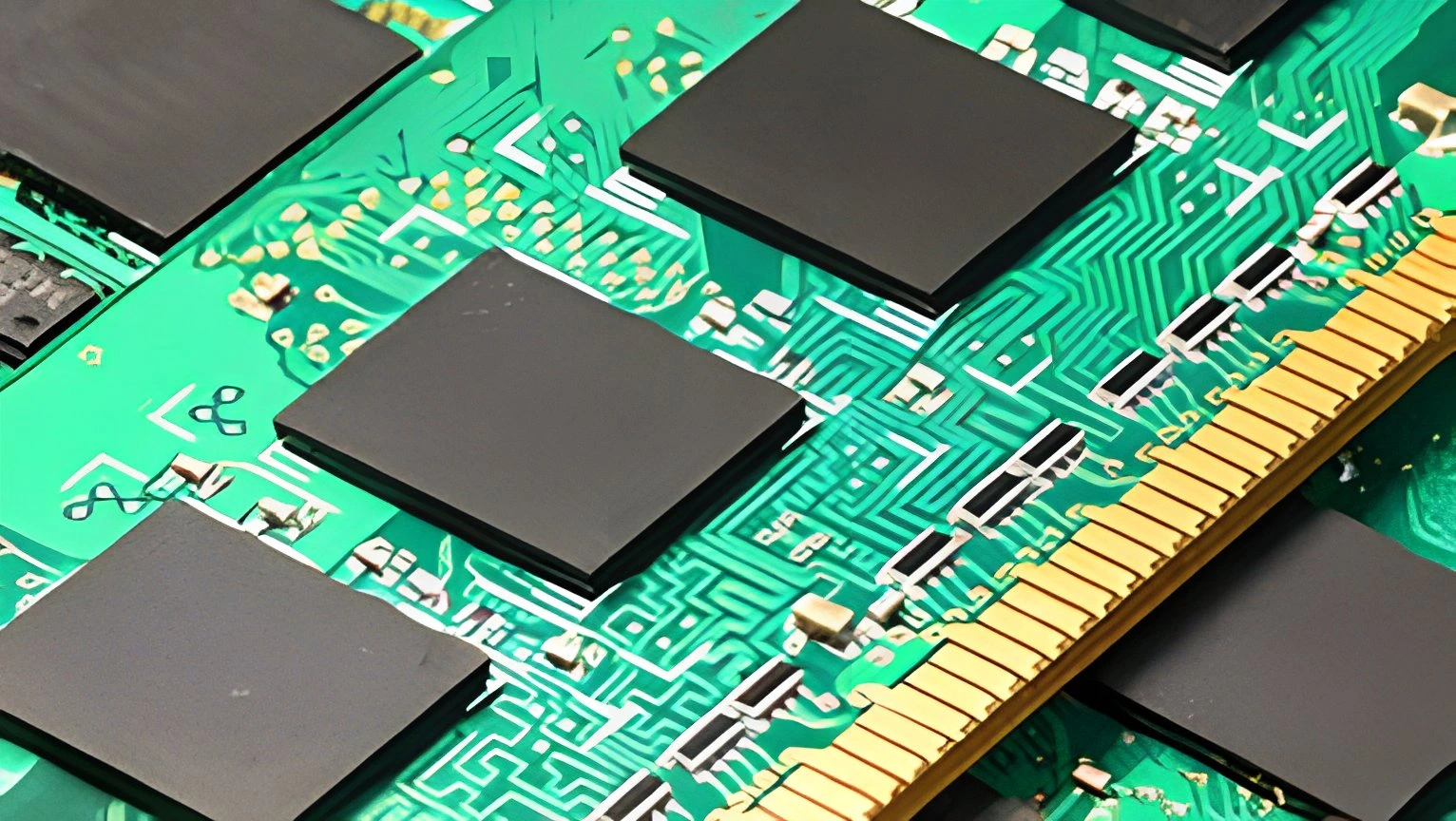
A tightening global memory chip shortage is starting to reshape the landscape of the smartphone industry, putting pressure on component costs and forcing major players like Apple to weigh difficult decisions about product pricing and market strategy. With demand for memory chips essential components like DRAM and flash soaring due to rapid expansion of AI infrastructure and prioritisation of high margin data centre applications, consumer electronics makers face rising costs and shrinking supplies. Apple’s response to this crunch could have ripple effects across the industry, potentially affecting everything from iphone prices to iphone market share.
Author : Aashiya Jain | EQmint | FinTech News
Chip Shortage Meets Smartphone Demand
Memory chips are the digital memory banks of modern electronics they store data, enable apps to run smoothly and are a crucial part of everything from smartphones to high-performance servers. But a global shortage driven primarily by explosive demand from artificial intelligence (AI) computing and cloud infrastructure has squeezed supply for conventional memory used in phones and PCs. Analysts tracking the market say that this crunch is partly fueled by manufacturers reallocating production capacity toward high bandwidth memory (HBM) for AI servers, leaving less available for consumer devices.
The result has been a surge in memory prices. Research firms have warned that conventional DRAM prices could rise sharply in early 2026 as production lines prioritise more profitable AI linked chips. This shift has strained the supply of industry staples like standard DRAM and NAND flash, pushing costs higher and leaving smartphone makers scrambling for components.
Apple’s Strategic Dilemma
Apple, the world’s largest smartphone vendor by revenue, is at the centre of this unfolding story. On a recent post-earnings call, CEO Tim Cook acknowledged that memory chip prices are expected to climb sharply, though he stopped short of confirming whether Apple plans to raise prices on iPhones or other products in response. “There are different levers that we can push, and who knows how successful they’ll be, but there’s just a range of options,” Cook said when asked about strategic choices amid the crunch.
This comment underscores the balance Apple is trying to strike. On one hand, passing rising component costs onto consumers could protect margins; on the other hand, maintaining current prices might help Apple gain market share if rivals particularly smaller Android makers struggle to secure enough chips. Analysts say Apple’s decision will reverberate across the industry, shaping pricing strategies and competitive dynamics in the coming months.
Some industry watchers believe Apple’s scale and strong supplier relationships with firms such as Samsung, SK Hynix and Micron give it a relative advantage in securing memory supplies compared with smaller handset makers that may run into shortages or have to reduce production plans.
Impact on the Smartphone Market
Beyond Apple, the memory crunch is expected to affect the broader smartphone landscape. Research firm IDC has suggested that global smartphone shipments could shrink in 2026 marking the first annual decline since 2023 as rising memory costs eat into margins and constrain supply. Companies like Qualcomm, whose chips power many Android devices, have already warned about lower than expected revenue for certain segments because customers can’t secure enough memory to complete handset builds.
Higher memory costs also risk being passed on to consumers, potentially leading to higher starting prices for smartphones, laptops and other devices. Analysts at Counterpoint Research and IDC expect this trend could dampen demand, particularly in price sensitive segments which could mean fewer mid range and entry-level phones available at affordable prices throughout 2026.
Longer-Term Shifts and Industry Responses
The memory shortage underscores how rapidly changing priorities especially the AI boom can disrupt traditional consumer electronics supply chains. Memory, once a commodity with relatively steady pricing, has become a strategic and scarce resource as data hungry AI applications soak up capacity and push manufacturers to prioritise server-grade components.
For companies like Apple, Samsung and Qualcomm, the crunch highlights the importance of supply chain flexibility and long-term supplier agreements. Some executives have already indicated they are adjusting production plans or seeking alternative sources to secure the memory needed for consumer devices. Others are watching closely to see if price increases by market leaders will shift industry pricing norms.
For consumers, the impact could be felt at checkout counters and on online marketplaces as device prices inch upward or as certain models become harder to find. In an era where consumers expect powerful AI features even in smartphones, the memory crunch is a reminder that supply chains not just software innovations remain at the heart of modern technology.
Conclusion
The global memory chip shortage is more than a supply chain glitch it’s a structural tension between the booming AI economy and legacy consumer electronics demand. How Apple navigates this challenge whether by absorbing costs, shifting pricing, or leveraging its supply network will help define smartphone market trends in 2026 and beyond. As memory chip prices continue to rise and supply remains tight, the industry faces a period of adaptation that could reshape device pricing, competitive hierarchies and product availability worldwide.
For more such information: EQmint
Resource Link : Reuters