
The assassination of Iran’s Supreme Leader Ayatollah Ali Khamenei has triggered a historic leadership crisis. Iran has shifted into survival mode amid war, succession uncertainty, and global tensions.
Author: Aditya Pareek | EQMint
The Middle East has entered one of its most volatile phases in decades following the assassination of Iran’s Supreme Leader Ayatollah Ali Khamenei. The event has triggered a profound Iran leadership crisis 2026, placing the country in what analysts describe as Iran survival mode amid war, leadership uncertainty, and the risk of wider regional escalation.
Khamenei, who ruled Iran for nearly four decades, was killed in a joint US-Israeli airstrike targeting senior Iranian leadership in Tehran.
His death marks a turning point not only for Iran but also for the global geopolitical order.
A Decapitation Strike That Changed the Middle East
The Khamenei assassination occurred during a major escalation in the Iran US Israel conflict, with missile strikes and military actions intensifying across the region.
Reports indicate the strike destroyed Khamenei’s residence and killed several senior officials and family members.
This unprecedented attack has been described as Iran’s gravest crisis since the 1979 Islamic Revolution.
Iranian President Masoud Pezeshkian vowed revenge, calling retaliation a “legitimate duty and right,” signaling the possibility of further military escalation.
Iran’s Political System Faces Its Biggest Test
The death of the Supreme Leader created an immediate power vacuum. Khamenei had ruled Iran for 37 years and had consolidated significant authority across military, political, and religious institutions.
Experts warn that the Iran leadership crisis 2026 could reshape the country’s political future.
Key challenges now facing Iran include:
- Leadership succession uncertainty
- Ongoing military conflict
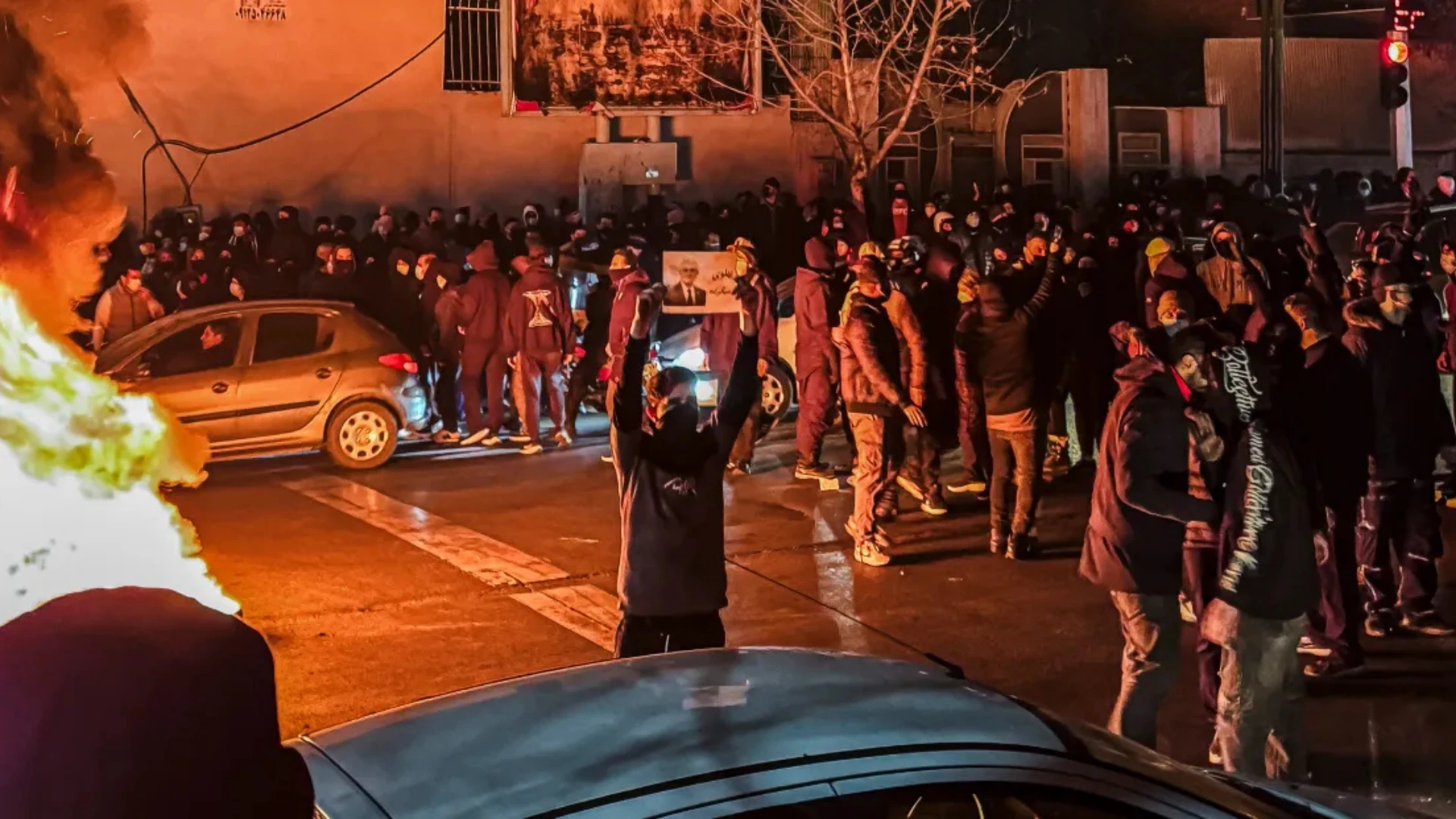
- Economic pressure and public unrest
- Internal power struggles
Despite the shock, analysts note that Iran’s political system was designed to survive leadership loss.
Interim Leadership Council Takes Control
To maintain stability, Iran has activated its constitutional succession mechanism — the Iran interim leadership council.
The temporary council consists of:
- President Masoud Pezeshkian
- Chief Justice Gholam-Hossein Mohseni-Eje’i
- Cleric Alireza Arafi
This council now acts as the country’s collective head of state until a new Supreme Leader is chosen.
The formation of the council shows that Iran’s institutional framework remains operational even during crisis. However, real power dynamics are expected to play out behind the scenes, particularly involving the powerful Islamic Revolutionary Guard Corps (IRGC).
Succession Race Begins
The Iran leadership crisis 2026 has triggered a high-stakes race to determine the next Supreme Leader.
Potential successors include:
- Gholam-Hossein Mohseni-Eje’i
- Hassan Khomeini
- Alireza Arafi
- Ali Larijani
The Assembly of Experts will ultimately choose the next leader, but analysts believe the new figure may wield less power than Khamenei, with greater influence shifting toward military and political elites.
Iran’s Military and Security Response
Iran has already signaled a strong response to the Khamenei assassination.
The country has:
- Warned of retaliation against US and Israeli targets
- Increased military readiness
- Continued missile and regional operations
Retaliatory strikes and broader military escalation are now widely expected.
The Islamic Revolutionary Guard Corps is expected to play a central role in shaping Iran’s strategy and maintaining regime stability.
Global Reactions and Rising Tensions
The killing of a sitting head of state has sparked global reactions.
Russia condemned the assassination as a “cynical violation” of international norms.
Meanwhile, global leaders are closely monitoring the situation, fearing that the Iran US Israel conflict could escalate into a broader regional war.
The crisis has already impacted:
- Oil markets
- Global shipping routes
- Middle East security
- International diplomacy
Experts warn the Strait of Hormuz — a critical oil shipping route — could become a flashpoint.
Why Iran Is in “Survival Mode”
The phrase Iran survival mode reflects the combination of pressures facing the country:
1. War on Multiple Fronts
Iran is dealing with active military confrontation and potential retaliation.
2. Leadership Vacuum
The loss of the Supreme Leader has disrupted the country’s central power structure.
3. Economic and Social Strain
Public dissatisfaction and economic challenges were already rising before the crisis.
4. Regional Instability
The risk of wider conflict across the Middle East is increasing rapidly.
Together, these factors have pushed Iran into a defensive posture focused on regime survival.
A Historic Turning Point
The Khamenei assassination marks one of the most consequential events in modern Middle Eastern history.
Analysts believe the coming months will determine:
- Iran’s future leadership
- The trajectory of the Iran-West conflict
- Stability in the Middle East
- The global geopolitical balance
While Iran’s system appears resilient for now, the long-term outcome remains uncertain.
Conclusion
Iran’s shift into survival mode following the assassination of Ayatollah Ali Khamenei has triggered an unprecedented Iran leadership crisis 2026. With an interim leadership council in place, a succession battle underway, and tensions escalating in the Iran US Israel conflict, the world is watching closely.
The coming months could reshape Iran’s political system, redefine Middle East geopolitics, and influence global stability for years to come.
For more such information visit EQMint