
Author: Aashiyan Jain | EQMint | Finance News
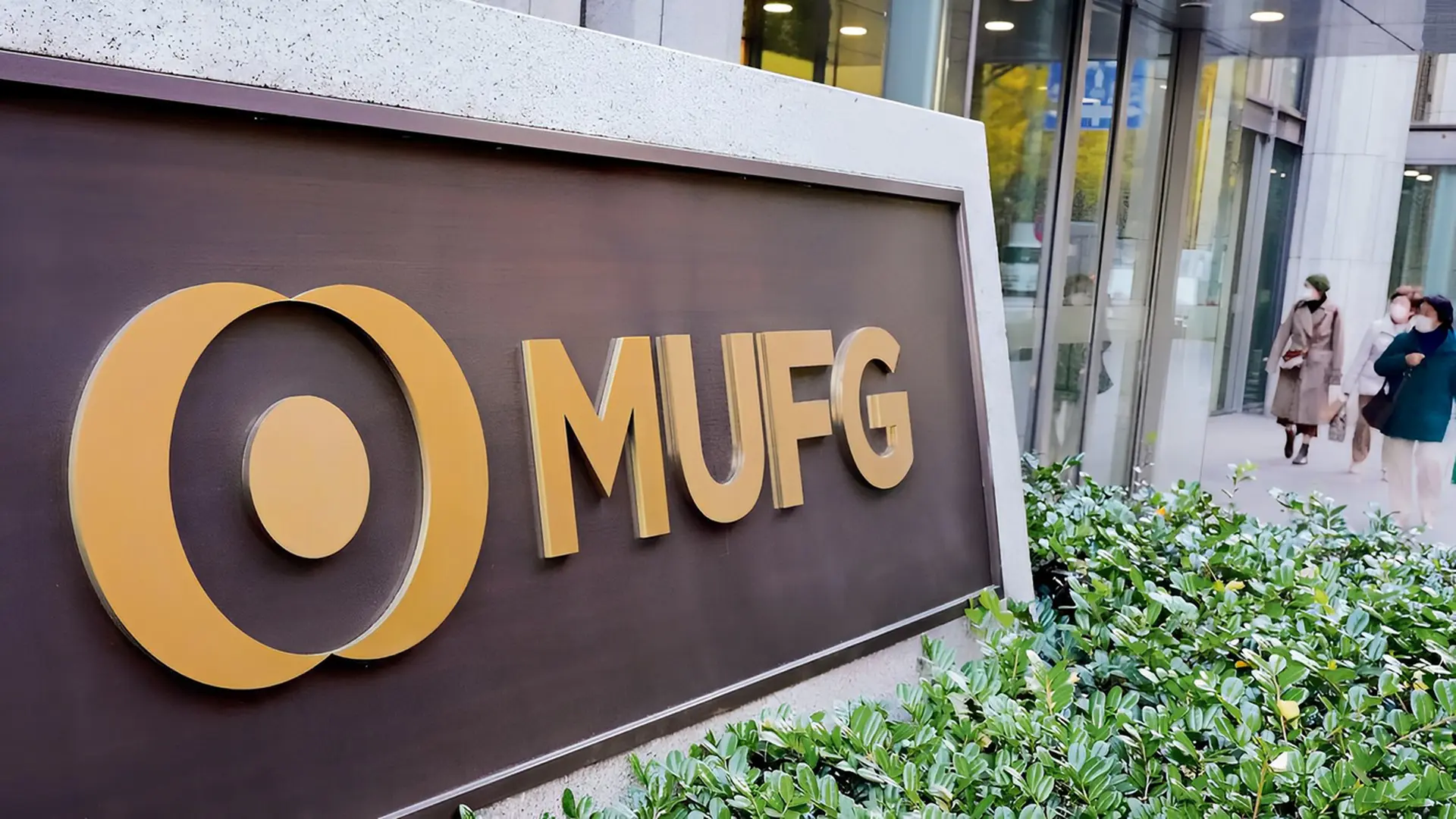
In a striking example of global capital searching for fertile ground, Mitsubishi UFJ Financial Group (MUFG) Japan’s largest banking group is poised to invest more than $4 billion in India’s Shriram Finance, acquiring roughly a 20 percent stake in one of the country’s biggest non‑bank lenders.
But beyond the numbers, this deal reflects something deeper: a story of two financial worlds one the rising promise of India’s economy, and the other the challenges facing Japan’s banking giants finding a meeting point in what could become one of 2025’s landmark cross border deals.
A Transformative Infusion
At its heart, what MUFG is proposing is not just an investment but a partnership. For Shriram Finance, which has grown over decades from a small vehicle financing outfit to a retail lending powerhouse with loans for commercial vehicles, personal needs, gold, and more, this capital could help accelerate its growth trajectory, deepen its market reach, and reinforce its balance sheet.
Shriram’s board is expected to formalise fundraising plans at a meeting scheduled later this week, with the MUFG proposal likely to be a central focus.
Why This Matters: India’s Financial Rise
India’s financial landscape has been expanding rapidly. With a GDP growth rate outpacing many developed economies, a growing middle class, and robust demand for credit across urban and rural areas, India presents what many investors see as a once in a generation opportunity. The country’s non‑bank financial sector has played a vital role in bridging credit gaps that traditional banks often overlook.
Shriram Finance, with its decades‑old network and deep roots among small business owners and commercial customers, sits at the centre of this story. The company’s assets under management have climbed significantly approaching ₹2.8 trillion (around $31 billion) underscoring its scale and influence in India’s retail finance ecosystem.
For MUFG, partnering with Shriram means gaining access to this dynamism while bringing Japanese expertise and capital to a market with a young, growing population hungry for credit.
A Strategic Play for MUFG
Japan’s economy, by contrast, faces demographic and growth challenges. With an ageing population and slow domestic credit expansion, Japanese banks like MUFG have been compelled to look outward. Investments abroad especially in fast‑growing markets have been a clear strategic pivot.
This move into India is part of a broader sweep. Other Japanese financial groups have been active in India this year: Sumitomo Mitsui Financial Group acquired a significant stake in Yes Bank, and Mizuho Financial Group is buying a majority stake in Avendus Capital.
For MUFG, the Shriram deal would be one of its biggest overseasinvestments and a strong Human Stories Behind the Deal signal that global investors see India as a long‑term growth story. It is easy to get lost in the billions of dollars and strategic rationales, but at the human level, this transaction touches countless lives.
Consider a small business owner in Pune, a truck driver in Tamil Nadu, or an aspiring entrepreneur in Bihar. For these individuals, financing from Shriram whether for a vehicle, a micro‑enterprise loan, or a scooter purchase can be transformative. The infusion of capital from MUFG can mean more accessible loans,potentially better terms, and a stronger institution behind their financial needs.
Employees of Shriram, many of whom come from smaller towns and cities, stand to benefit too. A surge in capital often translates into expanded branches, more job opportunities, and enhanced training a boon for livelihoods across India.
Balancing Risk and Opportunity
Of course, large investments are not without risks. Regulatory environments, interest rate fluctuations, and economic cycles all play a role. Yet, the very fact that MUFG is committing such a massive amount potentially around $4.3 billion suggests confidence not just in Shriram Finance but in the resilience of India’s economy.
Critically, the infusion comes as Shriram’s share price and fundraising plans reflect investor optimism, even amid broader market volatility. Local investors have been watching closely as news of the deal boosted trading sentiment this week.
Beyond Capital: A Bridge Between Markets
Financial investments like this are more than transactions they are bridges between nations. Japanese capital flowing into India signifies a growing economic partnership, one that could spur further collaborations in banking, technology, financial services, and beyond.
For young Indian professionals, it is a symbol of India’s financial markets maturing and attracting global trust. For Japanese investors, it reinforces the need to diversify and innovate.
In a world where economic growth can be uneven and unpredictable, this $4 billion plus investment stands out as a bold affirmation: India is not just a market to watch it is a market to be part of.
For More Such Information : EQMint
Resource Link: MoneyControl