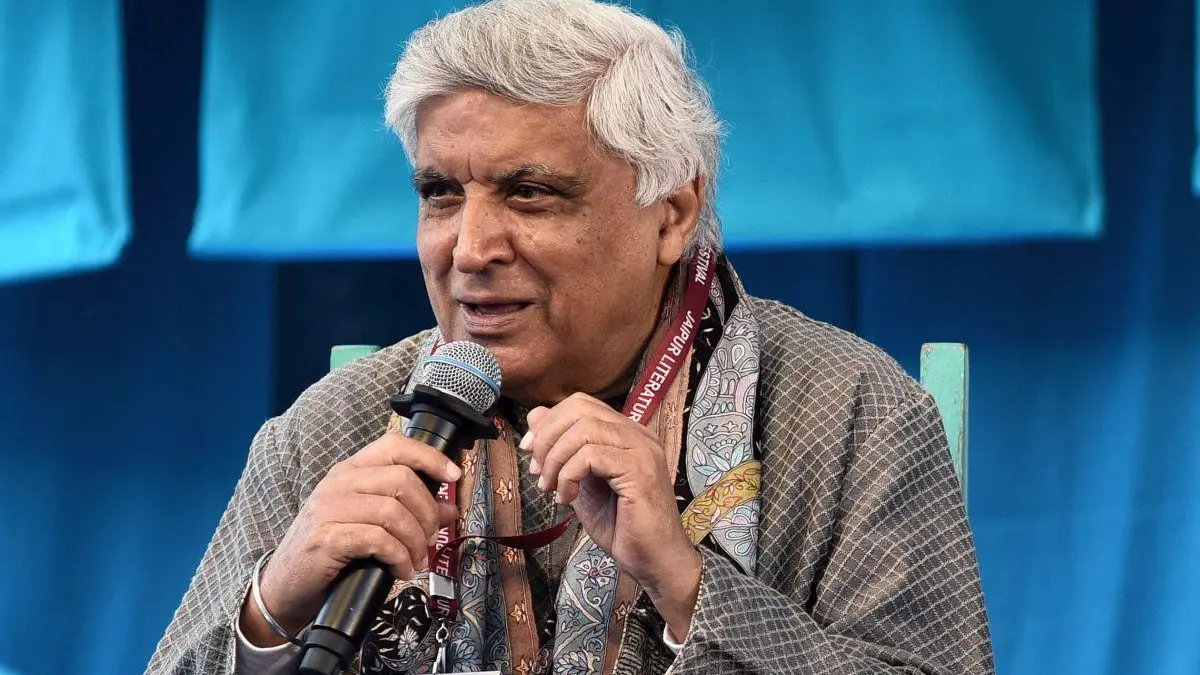
In a candid exchange of views that has stirred the industry, veteran lyricist and writer Javed Akhtar has addressed remarks by his longtime collaborator AR Rahman about communalism in Bollywood. Akhtar, known for his secular outlook and celebrated body of work, shared personal reflections on being labelled a “liar” for describing himself as an atheist even after writing deeply devotional songs like Pal Pal Hai Bhaari in Swades. The evolving conversation illuminates not just the bonds between artists, but the complex ecosystem of religion, perception, and culture in Indian cinema.
Author: Aashiya Jain | EQmint | Entertainment News
Old Friends, New Debate
Javed Akhtar and AR Rahman are two figures whose names are synonymous with Hindi cinema’s musical golden moments. Together they have composed iconic songs that have stirred hearts across generations. Yet, a recent public discourse has nudged them into slightly different positions on an issue larger than art one involving identity, belonging, and the perception of the industry.
Akhtar, a celebrated poet and screenwriter, recently responded to comments made by Rahman suggesting that Bollywood has become more “communal” over the past eight years, which might have influenced the volume of work he receives. Rahman’s comments, made during a media interaction, hinted that a shift in power within the industry may have disadvantaged creative talents like himself based on subtle divisive biases though not necessarily directly communicated to him.
While Rahman later clarified in a social media video that his intent was not to hurt or offend emphasising his love for India and its diverse cultures Akhtar did not fully share the same interpretation of the state of the film world.
The ‘Liar’ Episode: A Personal Story
One of the most striking moments in Akhtar’s recent reflections was his recalling of a time when he was called a “liar” for claiming atheism. For someone whose body of work includes moving devotional songs, the accusation seems almost paradoxical.
Songs like “O Paalanhaare” from Lagaan (2001) and especially “Pal Pal Hai Bhaari” from Swades (2004) which is set in the context of a Ramleela from Sita’s perspective underscore Akhtar’s ability to write across emotional and cultural landscapes. Despite these deeply religious themes, Akhtar has openly said he does not subscribe to any religion.
Growing up in Lucknow during a time often remembered for its Ganga-Jamuni tehzeeb a syncretic cultural ethos blending Hindu and Muslim traditions Akhtar explains that spirituality and cultural participation were part of community life. He fondly recalled how his aunt would create festival displays each year, and how celebrations like Basant Panchami and Janmasthami naturally involved kids and families, irrespective of creed.
Akhtar’s childhood, he said, was shaped by cultural literacy rather than religious practice his family, Communist in ideology, were seen traditionally as Muslim but did not practice religion in a conventional way. It was this open cultural milieu that allowed him to write about Rama and Krishna with sensitive insight, even as an atheist.
A Broader Industry Conversation
The debate has sparked reactions beyond just Akhtar and Rahman. Some industry observers and artists weighed in on whether Bollywood truly reflects communal bias or remains a space centred on talent and merit. Many argue that opportunities in the industry are ultimately driven by creative choices rather than religious identities.
Akhtar himself clarified that he does not see a communal agenda behind Rahman’s recent experiences or opportunities. He suggested that other factors such as Rahman’s global commitments or the sheer stature he commands might unintentionally influence filmmakers’ choices. Smaller producers, for instance, may feel daunted approaching a composer of Rahman’s fame.
This viewpoint aligns with what several others in the creative sphere have expressed: that artistic engagement stems from a mixture of respect, availability and personal taste rather than social divisions.
Culture Beyond Religion
At the heart of this discourse is something more fundamental than a media controversy. It speaks to how India’s cultural fabric especially in the arts has historically blended religious narratives with secular life. Akhtar’s ability to craft verses across spiritual themes despite his personal disbelief reflects the complexity of India’s artistic heritage; artists often transcend personal identity to touch universal human emotions.
For many, Akhtar’s reflections are a reminder that culture, art and belief do not always fit into neat categories. A lyricist can pen a devotional piece without subscribing to the faith it describes. A composer can feel sidelined without the reasons being rooted in prejudice. And perhaps, most importantly, conversations like these remind us that stories and creativity remain at the core of cinema beyond politics, beyond labels, and beyond divisions.
For more such information: EQmint
Resource Link: IndianExpress