

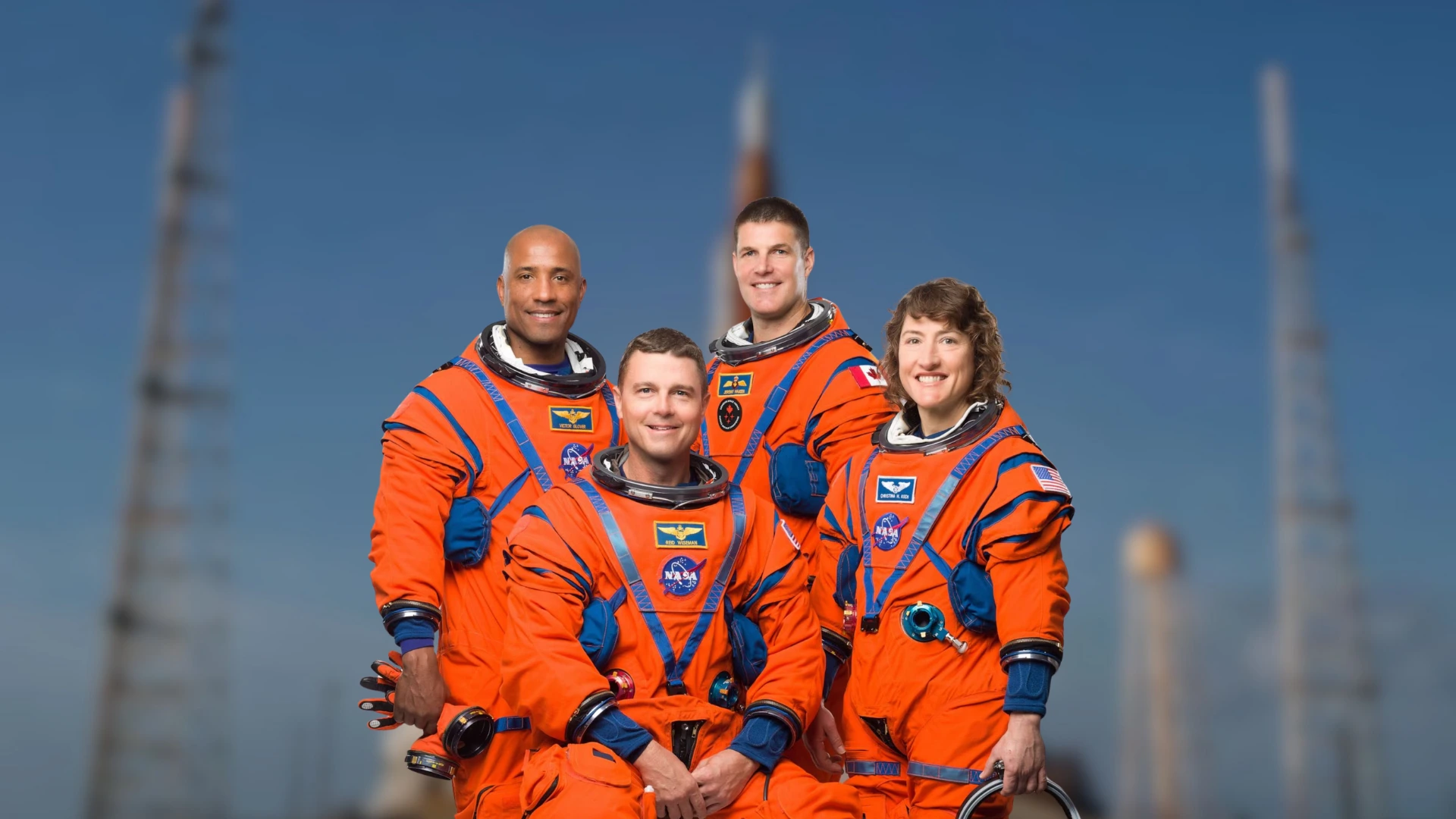
NASA has launched Artemis 2, marking the first human mission toward the Moon in over 50 years. The mission signals a major step in global space exploration and future lunar ambitions.
Author: Aadarsh Patel | EQMint
Washington, April 2026: NASA has launched the Artemis 2 mission, sending humans toward the Moon for the first time in over five decades, marking a historic return to crewed lunar exploration.
Key Highlights
The Artemis 2 mission marks the first human spaceflight to the Moon since the Apollo era, ending a 50-year gap in crewed lunar missions. The launch represents a critical milestone in NASA’s Artemis program, aimed at re-establishing human presence beyond Earth.
What This Means
This mission signals the beginning of a new phase in space exploration, where human missions are once again focused on the Moon. It lays the groundwork for future lunar landings and long-term space habitation plans.
Strategic Importance
Artemis 2 is a key step toward establishing a sustained human presence on the Moon. It supports future missions involving lunar bases, deep space exploration, and eventual human missions to Mars.
Global Space Race Context
The mission comes at a time when multiple countries are accelerating their space programs. The return of human lunar missions highlights increasing global competition and collaboration in space exploration.
Impact on Space Industry
The mission is expected to boost investments in space technology, private space companies, and innovation in aerospace engineering. It also strengthens partnerships between government agencies and private players.
Bigger Picture
Artemis 2 is part of a broader vision to expand human presence beyond Earth, focusing on sustainability, exploration, and scientific discovery. It represents a shift toward long-term space missions rather than one-time achievements.
Conclusion
NASA’s Artemis 2 mission marks a historic return to human lunar exploration after 50 years. It sets the stage for future missions and reinforces the next era of global space advancement.
For more such information visit EQMint