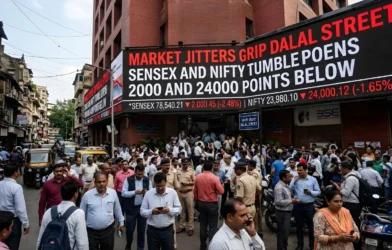

Global oil markets have entered a volatile phase as crude prices crossed the crucial $100-per-barrel mark amid the ongoing Iran war. The conflict has disrupted oil production, damaged energy infrastructure, and blocked critical shipping routes, pushing prices to their highest levels in years. While the surge has sparked concern about inflation and economic instability worldwide, former U.S. President Donald Trump dismissed the price spike as a “very small price to pay” for global security and peace. The situation highlights how geopolitical tensions can quickly reshape the global energy landscape.
Author : Aashiya Jain | EQmint | Market News
Oil Prices Cross a Critical Threshold
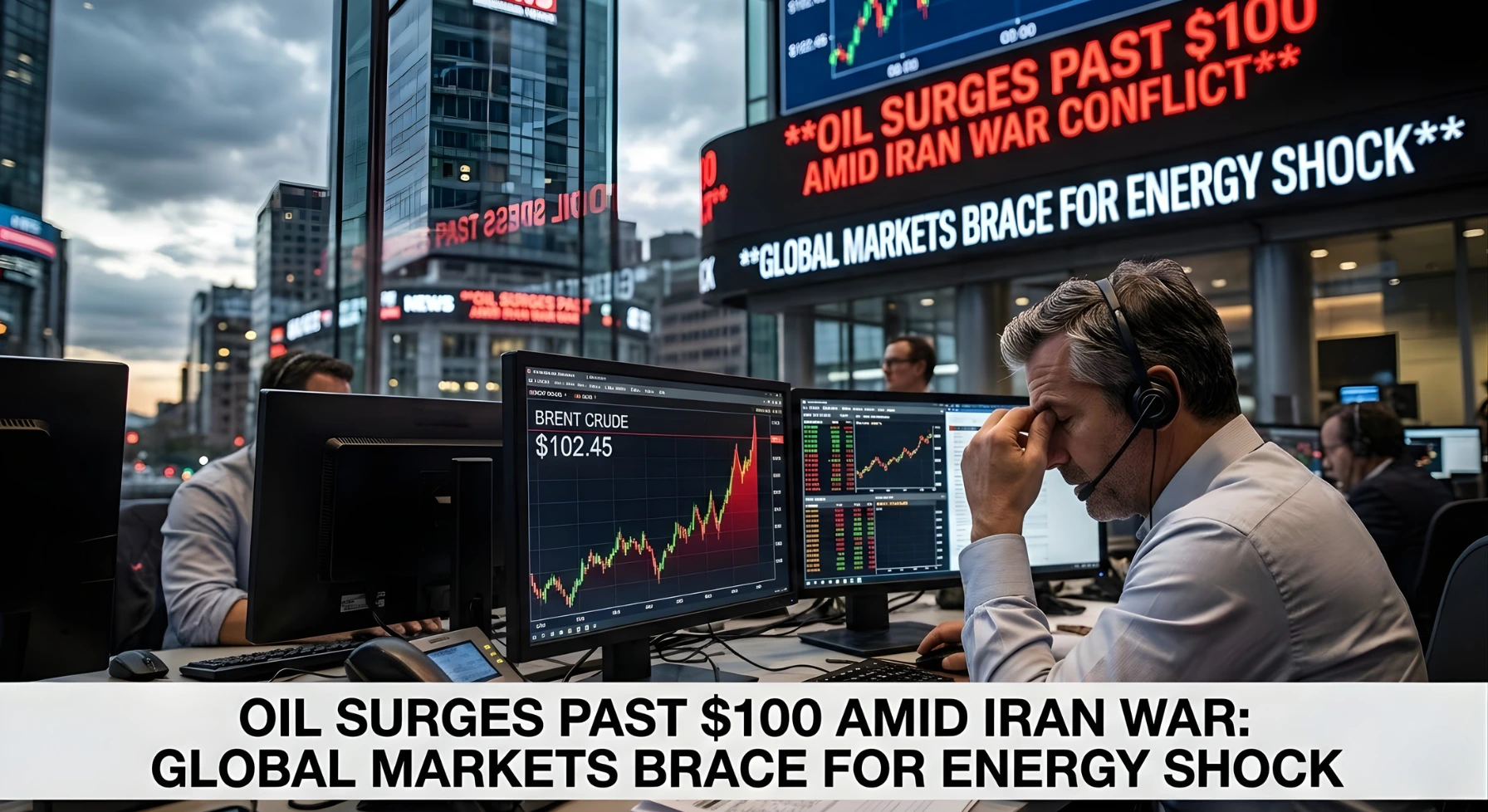
Crude prices surged past $100 a barrel for the first time in more than three and a half years. That’s a big deal you know. The spike came as the war with Iran kept messing with energy production and oil supply routes around the world.
Both major oil benchmarks jumped. Brent crude climbed above $105 a barrel. West Texas Intermediate also went over $100. Traders are getting nervous about supply shortages.
Energy markets always react fast to geopolitical stuff. This conflict is no different. As tensions got worse investors rushed to lock in supplies. That pushed oil prices way up across global markets.
War Disrupts Oil Production and Shipping
The ongoing conflict has severely disrupted energy infrastructure across the Middle East. A region responsible for a large portion of global oil supply. Strikes on energy facilities. Threats to oil installations. Heightened military activity.
All of it has made oil production and transportation increasingly difficult. One of the most significant concerns is the disruption of tanker traffic through the Strait of Hormuz. A narrow waterway through which nearly 20% of the world’s oil supply normally passes each day.
With tanker movements restricted and ships avoiding the region due to security risks. Oil exports from several Gulf countries have slowed dramatically. As a result. The global supply chain for crude oil has become increasingly strained.
Prices Rise as Supply Fears Grow
The surge in prices reflects widespread fears that the war could significantly reduce oil supplies if the conflict spreads further. Analysts say the market is reacting not only to current disruptions but also to the possibility of prolonged instability in the Middle East.
In fact, oil prices have already jumped sharply since the conflict began. Some estimates suggest crude prices have risen by more than 60% since late February, illustrating the speed at which geopolitical crises can reshape commodity markets.
If tensions escalate further, experts warn that crude oil could climb even higher—possibly approaching $120 or more per barrel which would intensify pressure on global economies.
Donald Trump’s Controversial Response
As oil prices surged, former U.S. President Donald Trump sparked debate with his response to the situation.
Trump described the rise in oil prices as a “very small price to pay” for achieving global safety and peace, arguing that the short-term economic impact would be worth it if it removed Iran’s nuclear threat and stabilized the region in the long run.
His remarks drew mixed reactions. Supporters argued that geopolitical stability sometimes requires economic sacrifice, while critics warned that soaring energy prices could hurt consumers and businesses worldwide.
Ripple Effects Across the Global Economy
Oil prices are surging and it’s already affecting financial markets everywhere. Higher crude prices mean fuel costs go up and that drives inflation and raises transportation expenses. Gasoline prices in the United States have already climbed as crude costs rise.
Stock markets in several regions have reacted negatively because investors worry about inflation and slower economic growth. Countries that rely heavily on oil imports, especially in Asia, could face strong economic pressure if prices stay elevated. Rising fuel costs affect everything from airline tickets and shipping expenses to food prices and manufacturing costs.
Businesses pay more to move goods. Consumers pay more at the pump and in stores. Even airlines have to raise ticket prices when jet fuel gets expensive.
Oil price spikes create a chain reaction. Inflation goes up. Economic growth slows. And countries that import a lot of oil feel it the most. It’s basically a global economic headache that keeps getting worse if prices don’t come back down.
What Comes Next for the Oil Market?
The future of the oil market now depends largely on how the conflict unfolds. If tensions ease and shipping routes reopen, prices could stabilize relatively quickly. However, if the war expands or infrastructure damage worsens, global supply shortages may persist.
Some governments are already considering releasing oil from strategic petroleum reserves to stabilize markets and prevent extreme price spikes. Still, analysts warn that these measures may only offer temporary relief if the underlying conflict continues.
For now, energy markets remain on edge. The surge past $100 per barrel serves as a reminder that oil prices are not driven solely by supply and demand they are deeply influenced by geopolitics, security concerns, and the stability of key energy-producing regions.
As the Iran conflict continues, the world will be watching closely, aware that developments in the Middle East could shape global energy prices and economic conditions for months to come.
For more such information visit EQMint
Disclaimer: This article is not an investment advice and is for educational purpose only