
Retail Reimagined: India’s Leasing Boom Hits 12.5 Million sq ft in 2025 Synopsis: India’s retail real estate sector is staging a strong comeback. In 2025, leasing of retail space including shopping malls, high streets, and premium locations surged to a three-year high of 12.5 million sq ft, up more than 50 % year-on-year. Cities like Delhi NCR, Bengaluru, Hyderabad, and Mumbai led the charge, reflecting renewed confidence among brands and retailers even amid global economic uncertainty. The growth underscores not just a rebound in physical retail but also evolving consumer behaviour in India’s urban centres.
Author: Aashiya Jain | EQmint | Business News
A Turning Point in Retail Space Demand
The year 2025 marked a watershed moment for India’s retail property market. After a few years of cautious expansion, the industry saw a dramatic upswing, with total retail leasing climbing to 12.5 million sq ft across the country’s top seven cities. This represents a healthy 54 % increase compared with about 8.1 million sq ft in the previous year a clear signal that retailers are aggressively pursuing growth opportunities on the ground.
This uptick isn’t just a number; it reflects a shift in strategy from many brands that had earlier prioritised e-commerce or delayed physical expansion due to economic uncertainties. In 2025, the pendulum swung back with brands eager to connect with customers through physical experiences that digital channels can’t fully replicate.
City Leaders: Delhi NCR, Bengaluru and Beyond
Although retail leasing momentum was seen across India’s major urban centres, a handful of cities stood out:
Delhi NCR topped the charts with around 3.02 million sq ft of leased space, reflecting sustained investor confidence and strong consumer demand in India’s national capital region.
Bengaluru was a close second at 2.97 million sq ft, showcasing how South India’s tech and lifestyle hub is rapidly becoming a retail favourite.
Hyderabad saw 2.91 million sq ft, while Mumbai logged 2.1 million sq ft, confirming that retail recovery isn’t limited to one region but spread across multiple geographies.
Smaller yet important contributions came from Kolkata (0.65 million sq ft), Chennai (0.59 million sq ft), and Pune (0.24 million sq ft) demonstrating that even where supply constraints exist, retailers aren’t shying away from exploring new locations.
High Streets and Malls: A Balanced Retail Mix
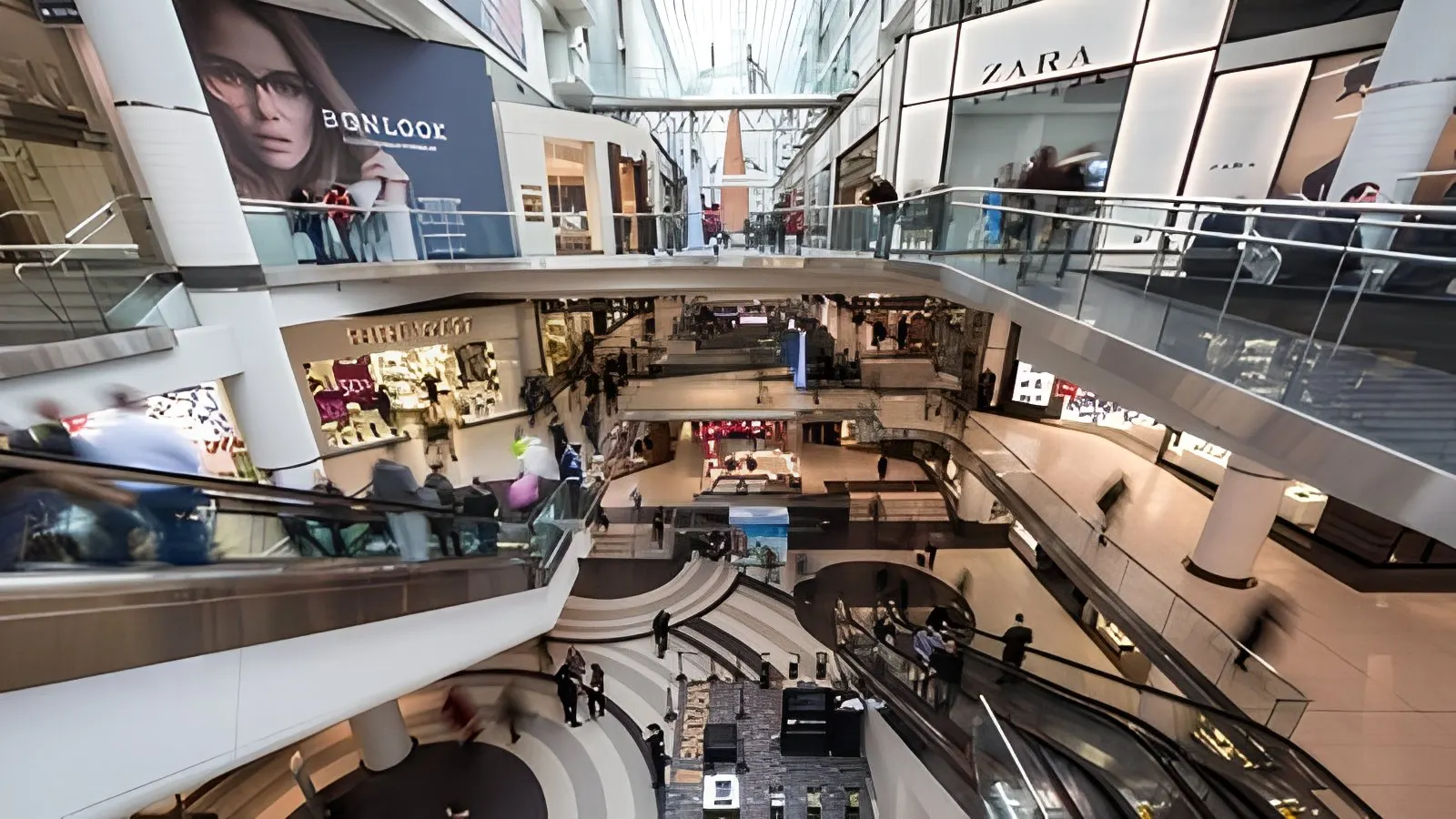
Malls accounted for roughly 45 % of total leasing activity. This shows that well-designed, modern retail destinations remain strong magnets for brands seeking footfall and visibility.
High street locations vibrant city centre stretches often lined with fashion, food, and lifestyle stores made up 48 % of leasing, underscoring the appeal of walk-in, experience-oriented retail.
The near even split highlights that the retail landscape in India is not only about enclosed shopping centres but also about open, pedestrian-friendly zones where shopping blends with dining, entertainment and socialising.
This broad uptake indicates that brands are tailoring their strategies to consumer preferences. For many shoppers, the joy of browsing, trying out products in person, or grabbing a coffee after a long walk is as important as the purchase itself something online channels can’t fully substitute.
Domestic Brands, D2C and Global Players All Expanding
Behind the leasing numbers lies a deeper story about who is driving this growth:
Domestic brands were the backbone of the expansion, making up a large majority of the total leased space. Homegrown retailers increased their physical presence across categories such as fashion, accessories, beauty, and wellness.
Direct-to-consumer (D2C) brands many of which built strong online followings also continued to open physical stores, recognizing that curated, personalised retail spaces strengthen customer loyalty.
International labels seized on this momentum too. In 2025, 29 new foreign brands entered India the highest number in recent years bringing global styles and retail experiences to Indian customers.
The combined force of local, D2C, and international brands reaffirms that India’s retail real estate appeal goes beyond mere recovery; it reflects a long-term growth trajectory supported by rising incomes, urbanisation, and evolving consumer tastes.
Looking Ahead: More Growth on the Horizon
The story doesn’t end here. With an estimated nearly 47 million sq ft of shopping mall space under construction across India’s leading cities, the outlook remains optimistic. Developers are already planning next-generation retail environments that blend shopping with leisure, technology, and lifestyle services anticipating that tomorrow’s consumers will seek experiences as much as products.
In short, 2025 isn’t just a comeback year it’s a turning point that could define the future of India’s retail landscape for the decade ahead.
For more such a information : EQmint
Resource Link : HT