
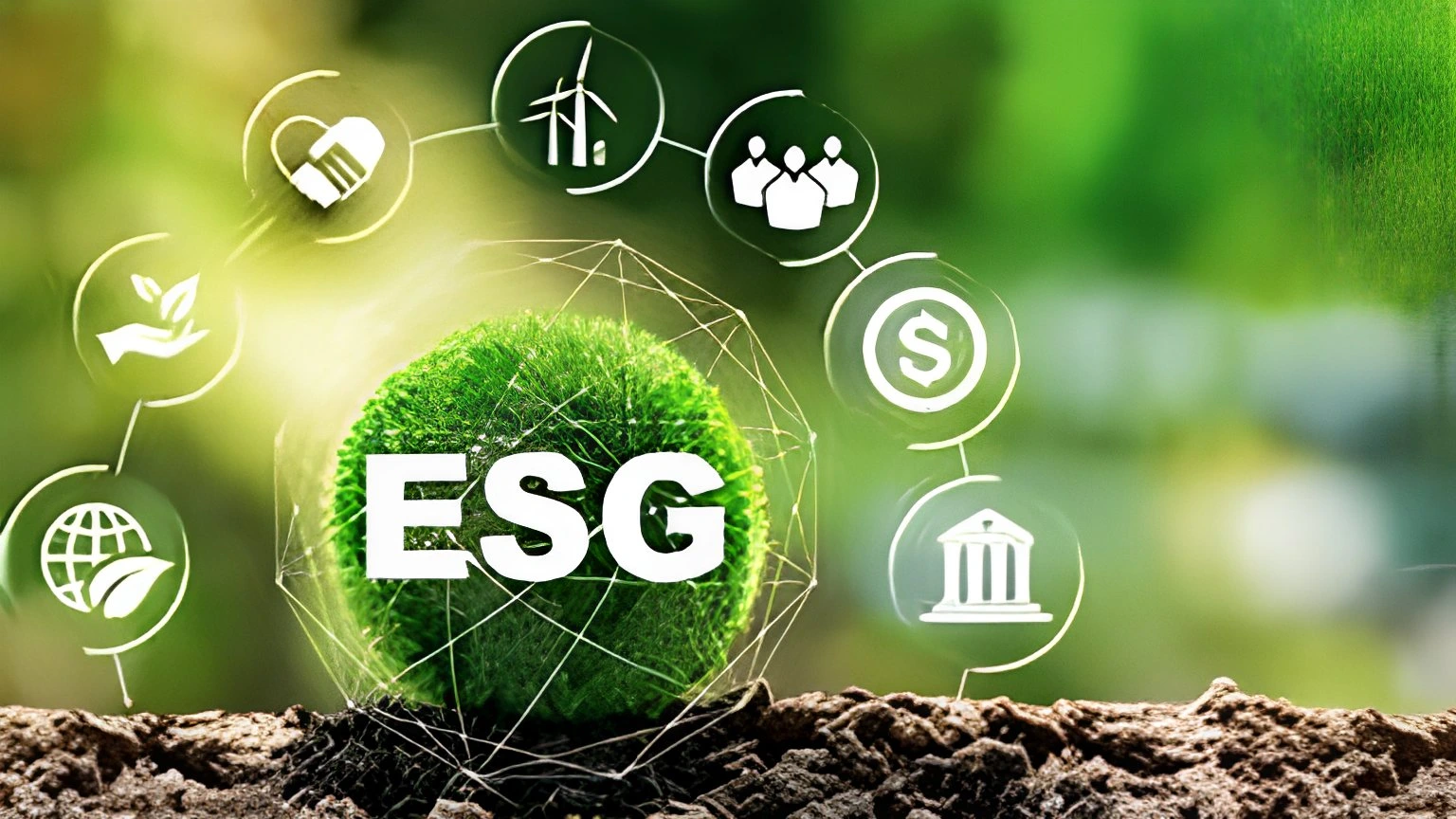
As sustainability moves from aspiration to expectation, businesses are under growing pressure to prove that their Environmental, Social and Governance (ESG) commitments are real, measurable, and strategically aligned. A recent call highlighted the urgent need to decode ESG-aligned sustainability frameworks so organisations can move beyond fragmented reporting and build long-term value. This article explains what ESG alignment truly means, why it matters today, and how different global frameworks compare helping businesses choose the right path forward.
Author: Aashiya Jain | EQmint | Sustainability News
Why ESG Alignment Is No Longer Optional
Over the last decade, ESG has shifted from a niche concept to a core pillar of corporate strategy. Investors, regulators, customers, and even employees now expect companies to operate responsibly not just financially, but socially and environmentally as well. ESG alignment refers to the process of embedding sustainability into business decision-making using structured, recognised frameworks that guide actions, disclosures, and performance measurement.
However, many organisations still struggle to interpret ESG correctly. Without clarity, sustainability efforts often remain scattered impressive on paper, but weak in execution. This gap between intent and impact is precisely why ESG-aligned frameworks are becoming critical.
What an ESG-Aligned Framework Really Does
An ESG-aligned sustainability framework acts as a strategic blueprint. It helps organisations identify what truly matters from carbon emissions and water usage to workforce diversity and board accountability and then track progress in a consistent, credible way.
Instead of treating sustainability as a standalone initiative, aligned frameworks integrate ESG into operations, risk management, and long-term planning. This alignment ensures that environmental and social goals support rather than compete with business performance.
Just as importantly, frameworks provide comparability. They allow investors and stakeholders to assess companies using common benchmarks, reducing ambiguity and increasing trust.
From Compliance to Competitive Advantage
One of the most significant shifts in recent years is how ESG is being used. What was once viewed mainly as a compliance or disclosure exercise is now shaping capital flows and strategic decisions.
- Investors increasingly factor ESG performance into valuation, risk assessment, and portfolio construction.
- Banks and lenders are linking ESG metrics to credit decisions and pricing.
- Consumers and employees prefer organisations that demonstrate authentic responsibility.
Companies with aligned ESG frameworks often benefit from better access to capital, stronger reputations, improved risk management, and higher stakeholder confidence. In contrast, poorly aligned or inconsistent reporting raises red flags around governance and long-term resilience.
Understanding the Major ESG Frameworks
There is no one-size-fits-all ESG framework. Organisations must choose based on their industry, stakeholder priorities, and strategic objectives. Below is a simplified comparison of some of the most widely used ESG frameworks:
Comparison of Key ESG Frameworks
| Framework | Primary Focus | Best Suited For | Key Strength |
|---|---|---|---|
| GRI (Global Reporting Initiative) | Broad sustainability impact | Companies reporting to a wide range of stakeholders | Comprehensive and widely adopted |
| SASB (Sustainability Accounting Standards Board) | Financially material ESG issues | Investor-focused organisations | Industry-specific, decision-useful metrics |
| TCFD (Task Force on Climate-related Financial Disclosures) | Climate risk and opportunity | Companies exposed to climate-related risks | Strong focus on financial risk and governance |
| UN SDGs (Sustainable Development Goals) | Global development priorities | Organisations with social impact missions | Aligns business goals with global sustainability targets |
Each framework serves a different purpose. For example, a manufacturing firm with global investors may lean toward SASB and TCFD, while a consumer-facing company might prioritise GRI for broader transparency. Many organisations use a combination of frameworks to meet diverse expectations.
The Challenge of Misalignment
Problems arise when companies adopt multiple frameworks without integration. This often leads to duplicated metrics, inconsistent narratives, and reporting fatigue. Worse, it can create the perception of greenwashing where sustainability appears more like marketing than meaningful action.
Aligned ESG frameworks prevent this by connecting disclosures to strategy. They help leadership teams answer essential questions:
- Which ESG issues are material to our business?
- How do they affect risk, growth, and reputation?
- How do we measure progress credibly and consistently?
Embedding ESG into Everyday Decision-Making
True ESG maturity comes when sustainability is woven into daily operations not treated as an annual report exercise. This means setting measurable targets, linking ESG goals to executive accountability, and using data to guide decisions.
Governance plays a central role here. Strong oversight, transparent reporting, and ethical leadership ensure that ESG commitments translate into action rather than remaining aspirational statements.
Looking Ahead
As regulatory scrutiny intensifies and investor expectations rise, ESG alignment will increasingly define corporate credibility. Businesses that take the time to understand and apply the right frameworks will be better positioned to manage risks, seize opportunities, and build long-term trust.
Deciphering ESG-aligned sustainability frameworks is no longer about ticking boxes it’s about creating resilient, future-ready organisations that can thrive in a world where responsibility and performance go hand in hand.
If you’d like, I can also tailor this framework comparison specifically for Indian companies or a particular sector just tell me which industry you’re focusing on.
For more such information: EQmint
Resource Link : LT