
Author : Aashiya Jain | EQMint | General News
The Indian farmers from all over the country especially from the northern parts of India have come out on the road to protect the billions of years old Aravalli Range that constitutes region across the states of Rajasthan, Haryana , Gujarat and the capital of the country New Delhi .
Under the new definition, accepted by the court following federal government recommendations, an Aravalli hill is any landform rising at least 100 metres (328 ft) above the surrounding terrain. Two or more such hills within 500 metres of each other, along with the land between them, are considered an Aravalli range.
The protectors of the ecosystems the environmenatlists are strongly against this decision of the federal government.They believe mining around the Aravalli is going to cause problems in the near future state of the India’s environmental balance.
While the federal government is keen that the new definition is meant to strengthen regulation and bring uniformity and not dilute protections.
Judicial scrutiny has also intensified. The Supreme Court of India has, on multiple occasions, intervened to restrict mining and construction in ecologically sensitive parts of the Aravallis, especially in Haryana’s Aravalli belt near Gurugram and Faridabad. These interventions underline growing recognition that damage to the Aravallis directly impacts air quality, groundwater recharge, biodiversity, and climate resilience in the National Capital Region (NCR).
At the policy level, debates continue around land-use classification, forest notifications, and the balance between development and conservation. The question confronting authorities is stark:
Can India afford to lose its oldest mountain range to rapid urbanisation?
Origins older than the Himalayas
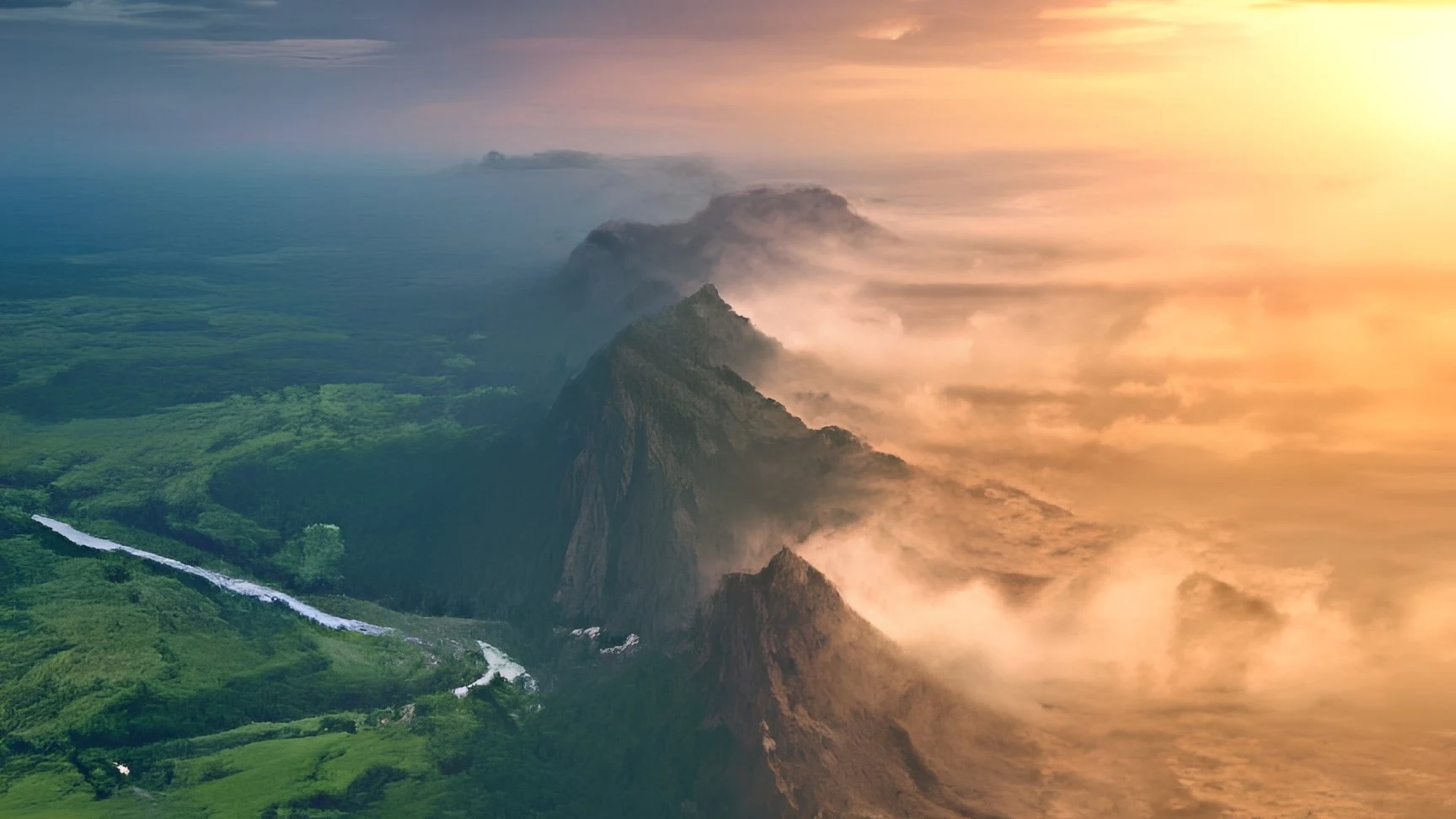
Geologically, the Aravalli Range is among the oldest fold mountain systems on Earth, dating back nearly 2.5 billion years to the Proterozoic era. Unlike the towering Himalayas, which are still rising due to tectonic activity, the Aravallis have been shaped by millions of years of erosion, resulting in their present low, rugged form.
At one time, these mountains are believed to have been as high as some of today’s major ranges. Over time, wind and water wore them down, leaving behind rocky ridges, isolated hills, and mineral-rich terrain.
Cradle of early civilisation and culture
Historically, the Aravallis played a crucial role in shaping human settlement in western India. The range influenced river systems, seasonal streams, and fertile valleys that supported early agrarian communities. Ancient trade routes passed through Aravalli passes, connecting the Indian heartland with ports on the western coast.
Ecological importance: More than just hills
Despite their modest height today, the Aravallis perform outsized ecological functions:
- Climate barrier: They act as a natural wall, slowing desertification and influencing monsoon patterns.
- Groundwater recharge: The rocky terrain helps rainwater percolate into aquifers, sustaining wells and lakes across Rajasthan, Haryana, and Delhi.
- Biodiversity hotspot: The range supports dry deciduous forests, scrublands, and wildlife including leopards, hyenas, jackals, and hundreds of bird species.
- Air-quality regulator: Forested stretches of the Aravallis help trap dust and pollutants, offering some protection to NCR cities from dust storms and pollution.
Modern pressures and policy challenges
The biggest threat to the Aravallis today is piecemeal degradation. Unlike sudden disasters, this damage accumulates slowly illegal stone crushing here, unauthorised construction there until ecosystems cross irreversible tipping points.
Urban expansion around Delhi-NCR has been particularly intense. Sections of the Aravallis have been reclassified as “non-forest” land in the past, weakening legal protections. Environmental groups argue that inconsistent definitions and enforcement gaps allow exploitation to continue despite court orders.
At the same time, state governments face pressure to promote housing, infrastructure, and industry. This has created a persistent tension between short-term economic gains and long-term ecological security.
The road ahead: Protecting a geological legacy
The renewed focus on the Aravalli Range reflects a broader shift in India’s environmental discourse—from viewing nature as a resource bank to recognising it as critical infrastructure. Conservationists advocate for:
- Stronger and uniform legal protection across states
- Restoration of degraded forest patches
- Clear land-use mapping using satellite data
- Community-led conservation and sustainable livelihoods
Saving the Aravallis is not about preserving the past alone; it is about securing water, air, and climate stability for future generations.
The hills also provided natural fortifications. Many of Rajasthan’s iconic forts such as those around Udaipur, Kumbhalgarh, and Alwar were strategically built along Aravalli ridges. For Rajput kingdoms, these mountains were both a defensive asset and a cultural symbol.
When these hills are flattened or forests cleared, the consequences are felt far beyond the immediate area ranging from falling water tables to worsening heatwaves.
Conclusion
From shaping ancient civilisations to protecting modern megacities, the Aravalli Range has silently supported life in north-western India for billions of years. Today, as it dominates headlines once again, the range stands at a crossroads. The choices viewed as “development” or “destruction” will determine whether India’s oldest mountains remain a living ecological shield or fade into a cautionary tale of neglect.
For more such information : EQMint
Resource link : BBC