
Author: Aditya Pareek | EQMint
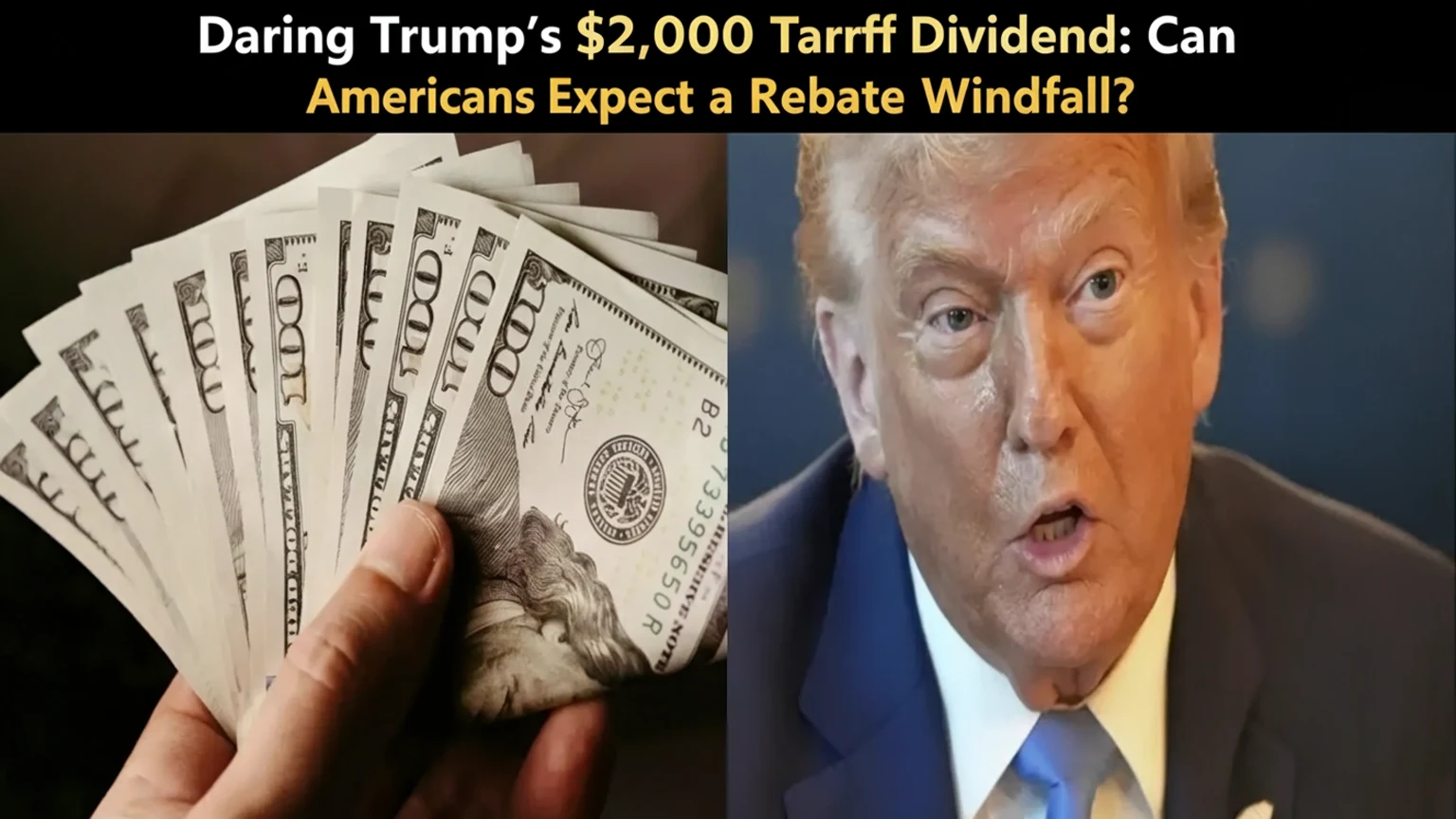
U.S. President Donald Trump has once again stirred the political and economic landscape with a bold proposal: a potential $2,000 rebate check for American citizens. Termed as a “tariff dividend,” this payout would be funded by the hundreds of billions of dollars the federal government has amassed through tariffs on foreign imports, especially since steep levies were imposed on goods from nations like China in April.
The announcement has immediately ignited conversations across the country, sparking both hope and skepticism. While some see it as a welcome relief during a period of economic uncertainty and rising household debt, others warn it could be more political theater than practical policy.
What Is the “Tariff Dividend”?
The so-called tariff dividend is essentially Trump’s pitch to redistribute money collected from import duties back into the pockets of everyday Americans. The U.S. government has raked in billions from tariffs levied on imported steel, aluminum, technology goods, and consumer items. Trump argues that since these tariffs have been paid by foreign exporters, the proceeds should benefit American citizens directly.
In simple terms, this proposal would work like a rebate check: citizens could receive up to $2,000 per person, providing what Trump describes as both economic relief and a way to reduce personal debt.
Why Now?
The timing of this announcement is as strategic as it is economic. With inflationary pressures persisting, wages lagging behind living costs, and household debt soaring, a rebate check is bound to appeal to voters. Trump’s message—“we’ll pay back debt”—is crafted to resonate with families struggling under credit card balances, student loans, and rising mortgage rates.
Moreover, with elections on the horizon, the promise of direct financial support could galvanize his base and appeal to swing voters alike.
The Economic Rationale
Supporters of Trump’s idea argue that returning tariff revenues to the people makes sense. Unlike stimulus checks funded by federal borrowing, this rebate would draw from money already collected, theoretically avoiding additional strain on national debt.
Economists suggest that if executed properly, a $2,000 rebate could:
-
- Boost consumer spending in the short term, helping small businesses and retailers.
- Provide debt relief, especially for low- and middle-income households.
- Redistribute tariff burdens, as higher import duties often trickle down into higher prices for consumers.
The Counterarguments
Critics, however, remain deeply skeptical. They point out that while tariffs generate revenue, they also raise costs on imported goods, effectively functioning as a hidden tax on American consumers. In other words, Americans have already been paying for these tariffs through higher prices on electronics, household goods, and groceries.
Some analysts argue that giving back $2,000 per citizen would be more of a political maneuver than a sustainable economic policy. There are also concerns about the long-term effects on trade relations, particularly with China, and whether this kind of rebate would undermine fiscal discipline.
Political Implications
Trump’s proposal is as much about economic relief as it is about political positioning. Direct cash transfers have proven to be a powerful tool in shaping voter sentiment. During the COVID-19 pandemic, stimulus checks provided by the federal government became a defining feature of economic policy. Trump’s “tariff dividend” echoes that strategy, signaling that he is willing to embrace populist economic measures to strengthen his platform.
For his supporters, the message is clear: Trump is positioning himself as the leader who not only defends American industries through tariffs but also ensures that the financial benefits flow directly to citizens. For his opponents, however, the proposal raises concerns about feasibility and hidden costs.
Could It Really Happen?
The road from proposal to reality is anything but straightforward. Such a rebate program would require congressional approval, budgetary adjustments, and significant administrative planning. With Washington’s political climate as polarized as ever, passing such a measure would likely be contentious.
Moreover, questions remain about the scale of available funds. While tariff revenues have been substantial, distributing $2,000 to every eligible American would run into hundreds of billions of dollars. Policymakers would need to balance this idea against other fiscal priorities, including infrastructure, defense, and healthcare spending.
What It Means for Americans
For everyday Americans, the promise of a $2,000 rebate check offers a tantalizing glimpse of financial relief at a time when household budgets are under immense strain. Whether it’s paying down credit card bills, managing rent, or covering medical expenses, such a payout could provide immediate breathing room.
Yet, citizens must also weigh the broader implications. Would this really be a “gift” from tariffs, or merely a return of money they’ve already paid through higher prices? Would the short-term boost outweigh potential long-term economic distortions?
The Bottom Line
Donald Trump’s “tariff dividend” proposal has reignited debate over the costs and benefits of tariffs, direct cash payments, and fiscal responsibility. While the idea of a $2,000 rebate check is undeniably attractive to millions, its economic and political feasibility remains uncertain.
What is clear, however, is that this proposal underscores a recurring theme in American politics: the tension between populist promises and economic realities. Whether or not the “tariff dividend” materializes, it has already achieved one of Trump’s key goals—dominating the headlines and putting money, quite literally, at the center of the conversation.
Disclaimer: This article is based on information available from public sources. It has not been reported by EQMint journalists. EQMint has compiled and presented the content for informational purposes only and does not guarantee its accuracy or completeness. Readers are advised to verify details independently before relying on them.