
Author: Aditya Pareek | EQMint
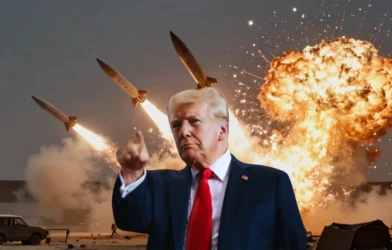
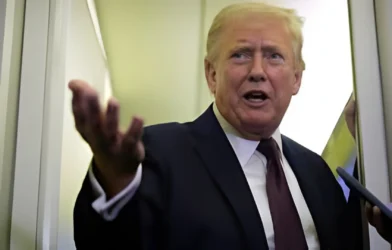
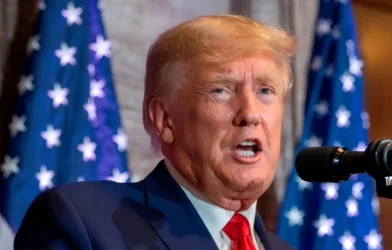
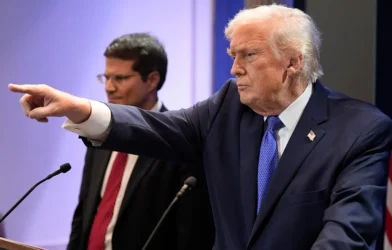
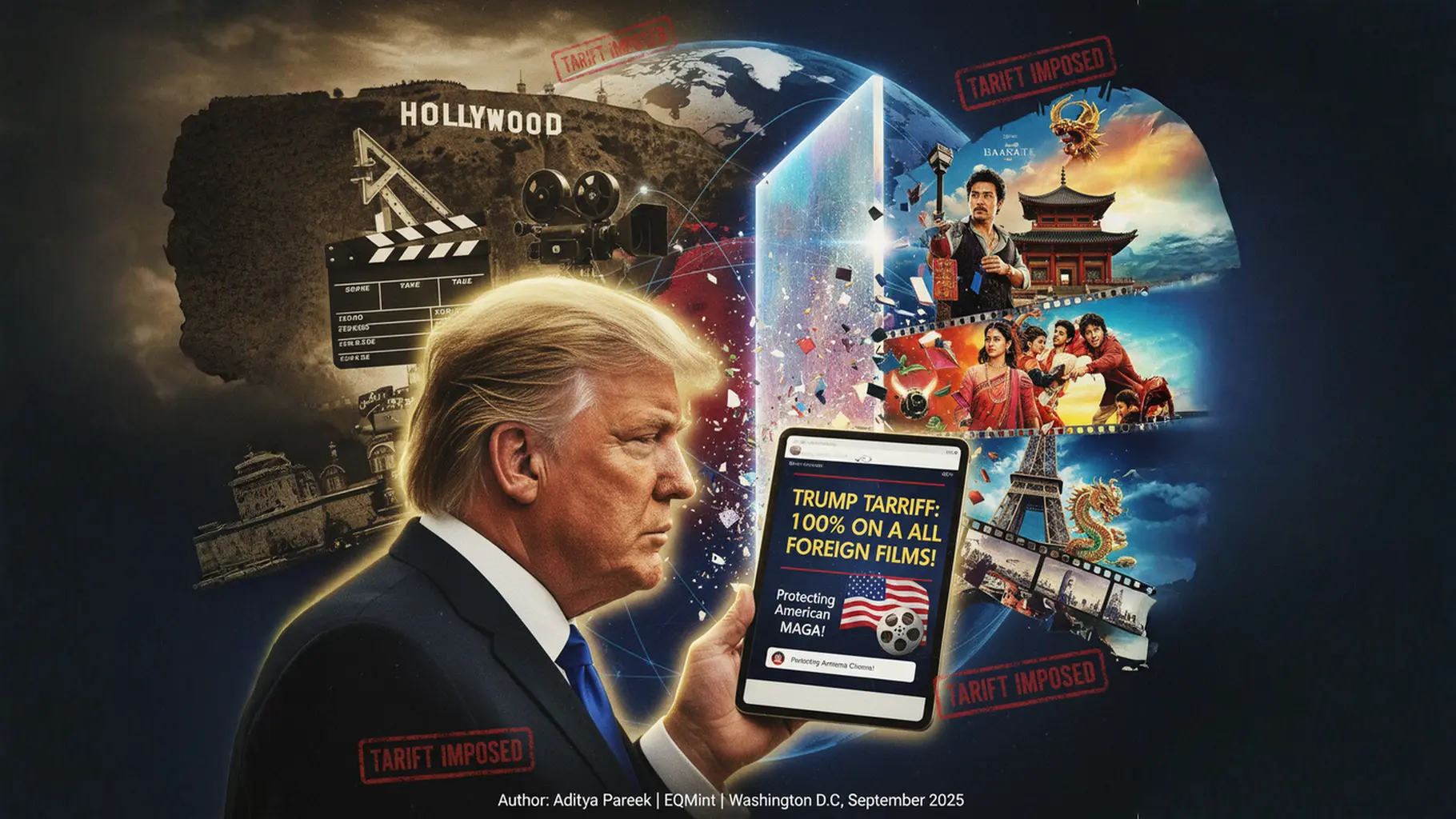
Washington D.C., September 2025 — Former U.S. President Donald J. Trump has announced a sweeping new trade measure: a 100% tariff on all foreign movies imported into the United States. The move, he claims, is aimed at protecting the domestic film industry, particularly Hollywood, which he argues has been “stolen” by other countries.
The announcement was made via Trump’s social media post, where he alleged that America’s movie-making business had been undermined by international competitors. He criticized California’s state leadership, blaming them for failing to shield the industry, and declared the tariff as a long-term solution to restore America’s cultural and economic dominance in cinema.
Trump’s Justification
In his post, Trump stated:
“Our movie-making business has been stolen from the United States of America, by other countries, just like stealing ‘candy from a baby.’ California, with its weak and incompetent Governor, has been particularly hard hit. Therefore, in order to solve this long-time, never-ending problem, I will be imposing a 100% tariff on any and all movies that are made outside of the United States.”
He framed the decision as part of his broader “Make America Great Again” philosophy, asserting that the measure would revive domestic film production and jobs.
Hollywood and the Domestic Industry
Hollywood has long been a global leader in entertainment, but it faces increasing competition from countries like South Korea, India, China, and European markets, which have rapidly expanded their movie industries and global reach. Films like Parasite (South Korea), Bollywood blockbusters, and international streaming content on platforms like Netflix and Amazon Prime have widened competition for U.S. studios.
Trump’s tariff aims to curb the influx of such foreign movies into the American market, ensuring that U.S.-made movies dominate box office sales and streaming platforms. Supporters argue that it will create more opportunities for American producers, writers, and actors, especially amid rising unemployment in the entertainment sector.
Economic Implications
The imposition of 100% tariffs could drastically reshape the U.S. film market. Foreign movies, which already face distribution challenges, may become prohibitively expensive for American cinemas and streaming platforms. This would likely:
- Increase ticket prices for foreign movies, reducing their audience reach.
- Limit diversity of content, affecting moviegoers who enjoy global cinema.
- Boost Hollywood studios, giving them more market space to recapture lost revenues.
However, critics warn that the tariffs could backfire by:
- Triggering retaliatory measures from other countries against Hollywood exports.
- Reducing U.S. studios’ access to foreign markets, which account for a significant portion of their global revenue.
- Alienating international audiences who consume American cultural products.
Political Reactions
Trump’s announcement has ignited fierce debate across the political spectrum. Supporters hailed it as a decisive step toward cultural protectionism, aligning with his broader nationalist policies on trade and industry.
Critics, however, accused him of undermining free trade principles and warned of potential trade wars. Some cultural commentators also argued that the move reflects an inward-looking stance that could damage America’s global cultural influence, traditionally enhanced by Hollywood exports.
California leaders, specifically targeted in Trump’s comments, pushed back strongly. They emphasized that the state remains the largest hub of film production globally, generating billions in revenue and employing hundreds of thousands, despite challenges from global competition.
International Response
The Foreign movies community reacted swiftly to Trump’s declaration. Producers and distributors in India, Europe, and Asia expressed concerns about losing access to the lucrative U.S. market.
Countries like France, South Korea, and India, whose films enjoy strong fan bases in the U.S., may retaliate with their own measures, potentially restricting American films in their markets. Such moves could significantly hurt Hollywood, which relies heavily on international box office sales — in some cases, more than domestic revenue.
Streaming giants like Netflix and Amazon, which rely on cross-border content distribution, also face challenges. Tariffs could limit their ability to feature international films on U.S. platforms, reducing the variety of content available to American viewers.
Cultural and Artistic Concerns
Beyond economics, the decision has raised questions about artistic freedom and cultural exchange. Critics argue that cinema is not just a business but also a medium of global dialogue, where ideas, creativity, and diversity flow across borders. Restricting foreign movies may narrow cultural horizons for American audiences and reduce exposure to diverse perspectives.
Film festivals like Sundance, Tribeca, and Toronto — which often showcase foreign movies that later gain critical acclaim in the U.S. — could also be impacted if tariffs discourage participation.
Trump’s Broader Trade Strategy
The tariff decision is consistent with Trump’s long-standing approach to trade, characterized by protectionism and a focus on reviving domestic industries. During his presidency, he imposed tariffs on steel, aluminum, and Chinese imports, sparking trade disputes but appealing to his base by positioning himself as a defender of American jobs.
This latest move extends that philosophy to the cultural domain, particularly the film industry, which Trump has repeatedly described as central to American identity.
Conclusion
Trump’s imposition of 100% tariffs on foreign movies is a bold and controversial step that underscores his nationalist trade philosophy. While it may temporarily shield Hollywood from global competition and create opportunities for domestic filmmakers, it risks sparking trade retaliation, raising costs for consumers, and reducing cultural diversity in U.S. cinemas.
As the global film industry digests this announcement, the coming months will reveal whether the policy strengthens Hollywood’s dominance or isolates it in an increasingly interconnected cultural marketplace.
References
- BBC News – US Tariffs and Trade Policies
- The Hollywood Reporter – Global Film Industry Coverage
- Variety – Impact of Politics on Cinema
- Reuters – International Trade and Tariff News
Disclaimer: This article is based on information available from public sources. It has not been reported by EQMint journalists. EQMint has compiled and presented the content for informational purposes only and does not guarantee its accuracy or completeness. Readers are advised to verify details independently before relying on them.