
Uttarakhand’s recurring floods and landslides, alongside rising attacks on religious minorities, reveal a deeper crisis rooted in governance and ideology. The Char Dham highway project highlights how environmental neglect and social polarisation are intertwined in the state’s recent trajectory.
Author: Aditya Pareek | EQMint
Uttarakhand, often described as Devbhoomi—the Land of the Gods—has increasingly become synonymous with tragedy. Headlines regularly report Uttarakhand floods and landslides, while, disturbingly, reports of minority bashing in Uttarakhand have also surged. These developments are often treated as separate issues: one as an unfortunate environmental phenomenon and the other as a social law-and-order concern. However, a closer look reveals that both crises are deeply interconnected.
At the heart of this convergence lies a model of governance that combines environmental disregard with ideological polarisation, best exemplified by the controversial Char Dham highway project.
The Rising Frequency of Uttarakhand Floods and Landslides
Over the past decade, Uttarakhand floods and landslides have become almost annual events. From Kedarnath to Joshimath, fragile Himalayan ecosystems have repeatedly collapsed under the pressure of aggressive infrastructure expansion. These disasters are routinely labelled “natural,” yet scientists and environmentalists increasingly reject this framing.
Unregulated construction, hill cutting, deforestation, and blasting have destabilised slopes that were once held together by dense vegetation and geological balance. The result is not just environmental damage but also loss of lives, livelihoods, and cultural heritage.
The Char Dham Highway Project as a Symbol
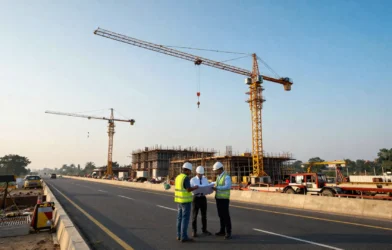
The Char Dham highway project was promoted as a pilgrimage-friendly development initiative aimed at boosting tourism and accessibility. While improved connectivity is a legitimate goal, the execution of the project has raised serious concerns.
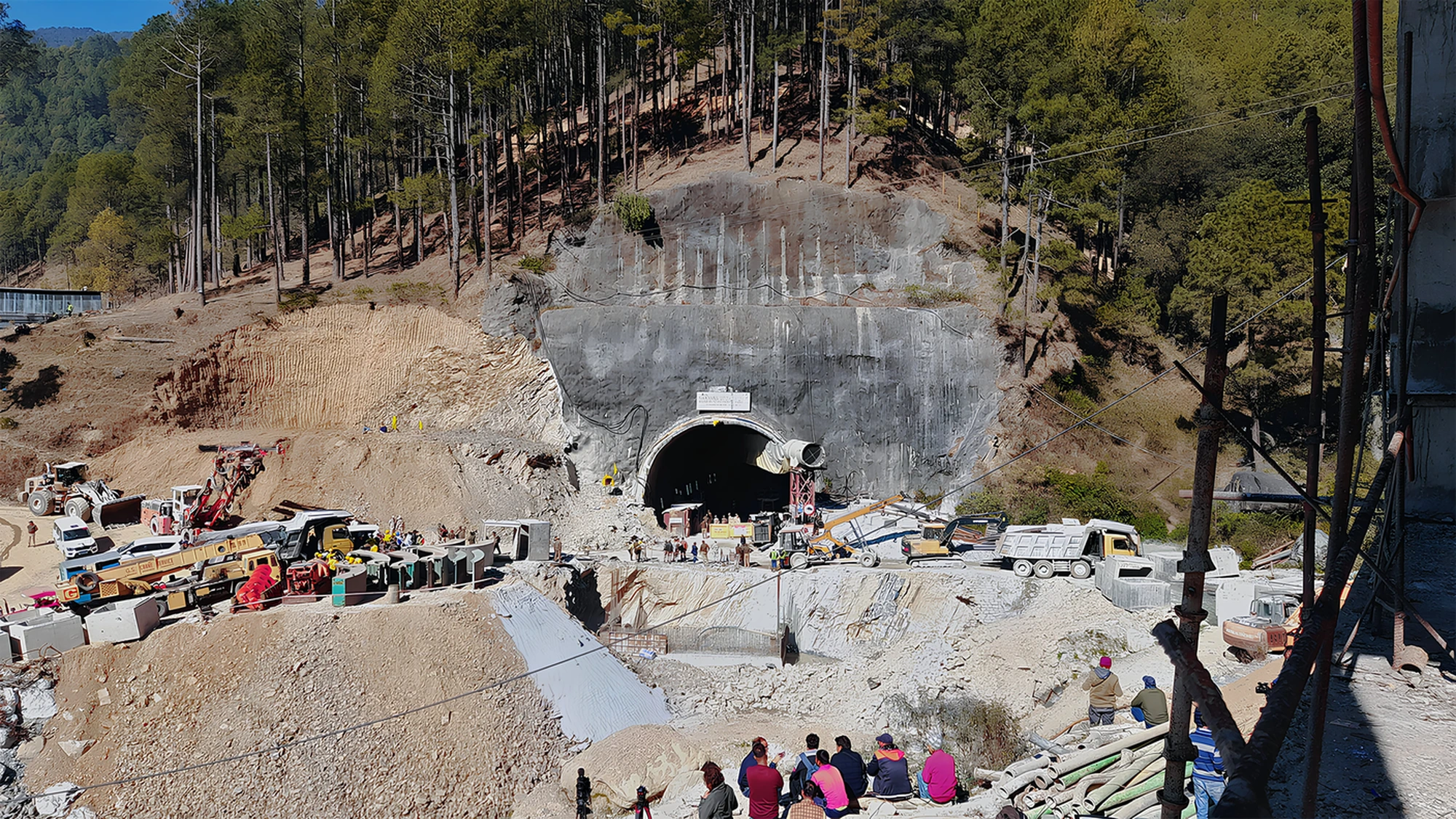
Large stretches of mountains were widened far beyond environmentally safe limits. Environmental impact assessments were diluted or bypassed, and expert warnings were sidelined. As a result, the project has become a major contributor to environmental destruction in Uttarakhand, accelerating erosion and increasing the likelihood of landslides.
The irony is stark: a project framed in religious terms has ended up undermining the very natural sanctity that draws pilgrims to the region.
Environmental Destruction in Uttarakhand Is Not Accidenta
The environmental destruction in Uttarakhand is not merely the byproduct of development—it reflects a broader economic paradigm that prioritises speed and spectacle over sustainability. This approach marks a departure from earlier ideas of indigenous, ecologically sensitive development that once found space even within nationalist economic thought.
Unchecked infrastructure expansion has weakened river systems, destabilised glaciers, and placed immense stress on seismic zones. These choices have transformed predictable seasonal risks into catastrophic events, directly contributing to Uttarakhand floods and landslides.
Minority Bashing in Uttarakhand: A Parallel Decline
Alongside environmental degradation, minority bashing in Uttarakhand has become increasingly visible. Muslims and Christians have faced threats, social boycotts, and intimidation, often under the guise of protecting religious identity.
This pattern reflects a broader trend where social cohesion is weakened through deliberate polarisation. Public discourse is shaped around exclusion, suspicion, and cultural dominance rather than coexistence. The result is a climate where fear replaces trust, and democratic values erode.Hindutva and Environmental Impact: Two Sides of the Same Coin.
The link between Hindutva and environmental impact may not seem obvious at first glance. However, both operate through a similar logic of dominance—over nature and over society.
While ancient texts revered nature as sacred, modern political interpretations often instrumentalise religion while disregarding ecological ethics. Environmentalists point out that the same mindset that marginalises minorities also dismisses scientific expertise and environmental caution.
Renowned voices in environmental science have argued that environmental destruction in Uttarakhand and social degradation reinforce each other. When diversity—whether ecological or cultural—is seen as expendable, systems collapse.
Governance, Power, and Authoritarian Tendencies
Authoritarian governance thrives on simplification: complex ecological systems are reduced to engineering problems, and diverse societies are reduced to rigid identities. In Uttarakhand, this approach has manifested through rapid infrastructure projects like the Char Dham highway project and a growing intolerance toward minorities.
Both trends undermine resilience. Ecological resilience depends on balance and restraint, while social resilience depends on inclusion and dialogue. Ignoring either leads to instability, as seen in the recurring Uttarakhand floods and landslides and rising communal tensions.
The Cost to People and the Future
The human cost of these policies is immense. Villagers lose homes to landslides, pilgrims face unsafe travel conditions, and minority communities live under constant anxiety. Meanwhile, long-term environmental damage threatens water security and climate stability across northern India.
The crisis facing Uttarakhand is not just regional—it serves as a warning for other ecologically sensitive areas. Without rethinking the relationship between development, ideology, and governance, similar patterns may emerge elsewhere.
Rethinking Development and Coexistence
Addressing Uttarakhand’s challenges requires more than disaster relief or policing. It demands a fundamental shift toward sustainable development, respect for environmental science, and protection of constitutional values.
Only by recognising how Hindutva and environmental impact intersect can policymakers begin to reverse the twin crises of environmental destruction in Uttarakhand and minority bashing in Uttarakhand.
Conclusion
The connection between Uttarakhand floods and landslides and social polarisation is neither coincidental nor inevitable. It is the outcome of choices—political, economic, and ideological. The Char Dham highway project stands as a powerful symbol of how these choices affect both land and people.
Uttarakhand’s future depends on restoring balance: between development and ecology, faith and pluralism, power and responsibility.
For more such information visit EQMint
Source link: The Hindu
Disclaimer: The information provided in this article is intended for general informational and educational purposes only. It does not aim to promote or oppose any political ideology or party. Views expressed are based on publicly available information and expert commentary. Readers are encouraged to form their own opinions and consult multiple sources for a comprehensive understanding of the subject.