Author : Aashiya Jain | EQMint | Finance
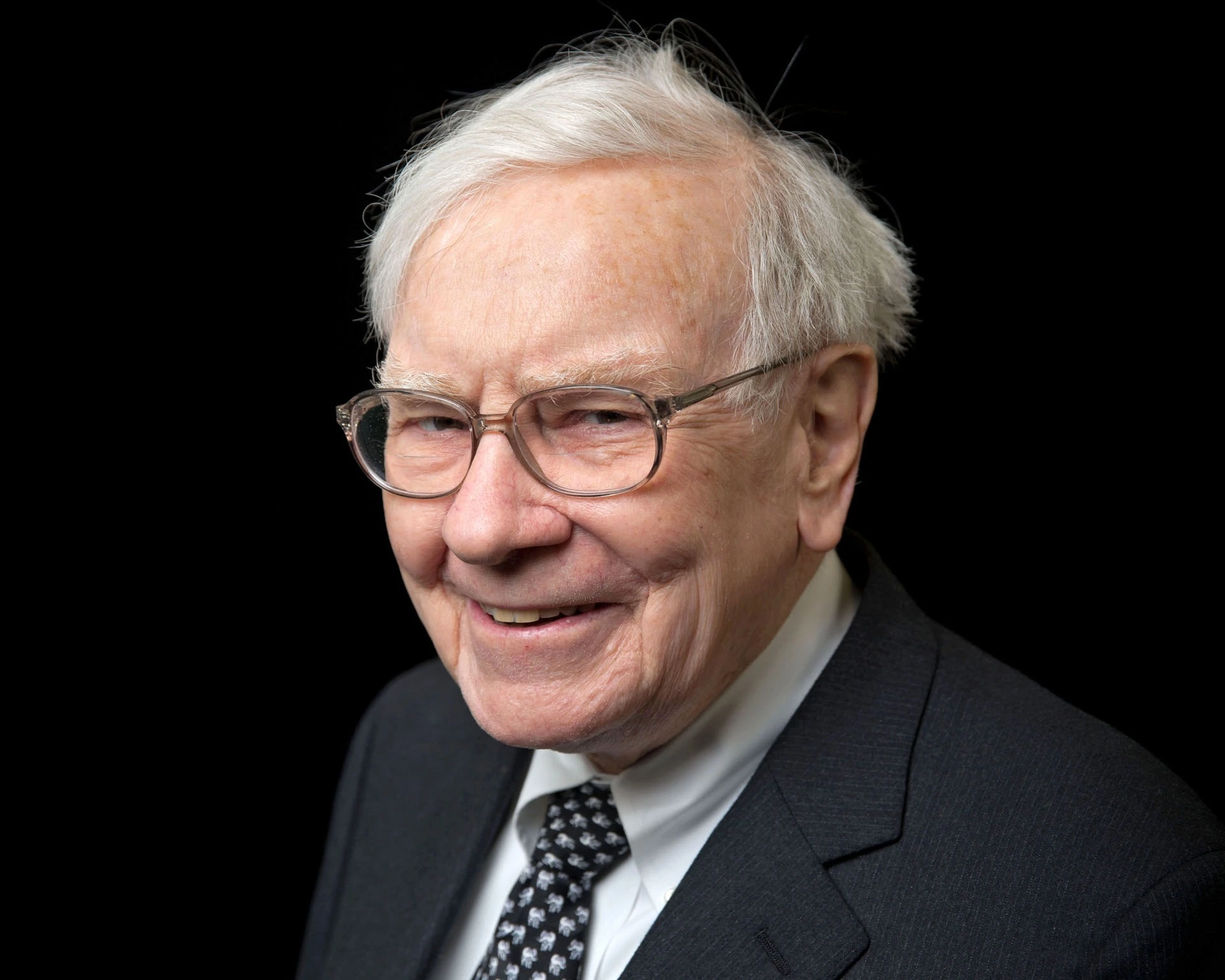
One of the most remarkable chapters in modern business history quietly comes to a close. Warren Buffett, the man widely known as the “Oracle of Omaha,” is set to retire as Chief Executive Officer of Berkshire Hathaway, the conglomerate he transformed from a struggling textile company into one of the most valuable and respected corporations in the world.
For decades, Buffett has been more than just a CEO. He has been a teacher, a storyteller, and a symbol of calm, rational thinking in markets often driven by fear and greed. His retirement does not simply represent a change in leadership; it signals the end of an era that shaped how millions of people understand investing, patience, and long-term value.
From Modest Beginnings to Global Influence
Warren Buffett took control of Berkshire Hathaway in the mid-1960s, at a time when few could have imagined what the company would become. Initially a New England textile manufacturer, Berkshire struggled in a declining industry. Rather than abandon it immediately, Buffett used the company as a vehicle to make disciplined investments elsewhere.
Over time, Berkshire evolved into a vast conglomerate with holdings across insurance, railroads, energy, manufacturing, retail, and consumer brands. Companies like GEICO, BNSF Railway, and Berkshire Hathaway Energy became core pillars of the business, while Buffett’s investment portfolio included iconic names such as Apple, Coca-Cola, and American Express.
What made Buffett’s rise unusual was not just success, but the way he achieved it. He avoided flashy trends, resisted short-term speculation, and stuck to principles that emphasized understanding businesses deeply before investing. That approach, repeated year after year, built immense trust among shareholders.
A Different Kind of Corporate Leader
Buffett never fit the stereotype of a powerful corporate executive. He lived in the same modest Omaha home he bought in 1958, preferred cheeseburgers and Cherry Coke, and wrote annual shareholder letters that were witty, honest, and refreshingly clear. Those letters became must-read material for investors around the world.
His leadership style was grounded in autonomy and respect. Managers at Berkshire subsidiaries were given freedom to run their businesses, with minimal interference from headquarters. Buffett believed that trusting capable people produced better results than micromanagement, a philosophy that proved remarkably effective.
Equally important was his emphasis on ethics. Buffett often said that it takes decades to build a reputation and only minutes to destroy it. That belief shaped Berkshire’s culture and reinforced its image as a company where integrity mattered as much as profits.
Preparing for Life After Buffett
Buffett has long insisted that Berkshire Hathaway was built to outlast him. Over the years, he carefully prepared a succession plan, gradually sharing responsibility and identifying leaders capable of carrying the company forward. Greg Abel, who oversees Berkshire’s non-insurance operations, has been widely identified as his successor, earning Buffett’s public confidence.
Tomorrow’s transition, while historic, is not expected to bring sudden change. Berkshire’s decentralized structure, strong balance sheet, and disciplined investment philosophy remain firmly in place. Buffett himself has often said that the company should run “just fine” without him a statement that reflects both humility and careful planning.
Still, the emotional weight of the moment is undeniable. For many shareholders, Buffett has been a steady presence through recessions, booms, market crashes, and global crises. His calm voice during turbulent times reassured investors when reassurance was hard to find.
A Legacy Beyond Numbers
It would be easy to measure Buffett’s legacy solely in financial terms. Under his leadership, Berkshire Hathaway’s stock delivered extraordinary long-term returns, outperforming major market indices over decades. But his influence extends far beyond share prices.
Buffett reshaped how people think about money. He championed patience in a world obsessed with speed, simplicity in an industry full of complexity, and rational decision-making when emotions often take over. His advice reached not only Wall Street professionals but also everyday savers trying to make sense of their financial futures.
His philanthropic commitments also stand as a defining part of his legacy. Buffett pledged to give away the vast majority of his wealth, primarily through the Gates Foundation and his own charitable efforts, reinforcing his belief that extreme wealth carries moral responsibility.
What Comes Next
As Warren Buffett steps away from the CEO role, he leaves behind a company stronger and more resilient than ever. Berkshire Hathaway is not built around one product or one market cycle, but around enduring principles that have guided it for generations.
For Buffett himself, retirement does not mean disappearing. He is expected to remain involved in an advisory capacity, offering insight shaped by more than 70 years of experience in markets and business. His presence, even without the CEO title, will continue to carry weight.
Tomorrow marks a quiet turning point, not a dramatic farewell. There will be no grand speeches or sweeping declarations. That feels fitting for a man who always believed that the best results come from consistency, humility, and time.
As Warren Buffett hands over the reins, the business world pauses to reflect not just on what he built, but on how he built it. His story reminds us that success does not require noise or spectacle, only clarity, patience, and an unwavering commitment to doing things the right way.
For More such Information : EQMint
Resource Link : IG