

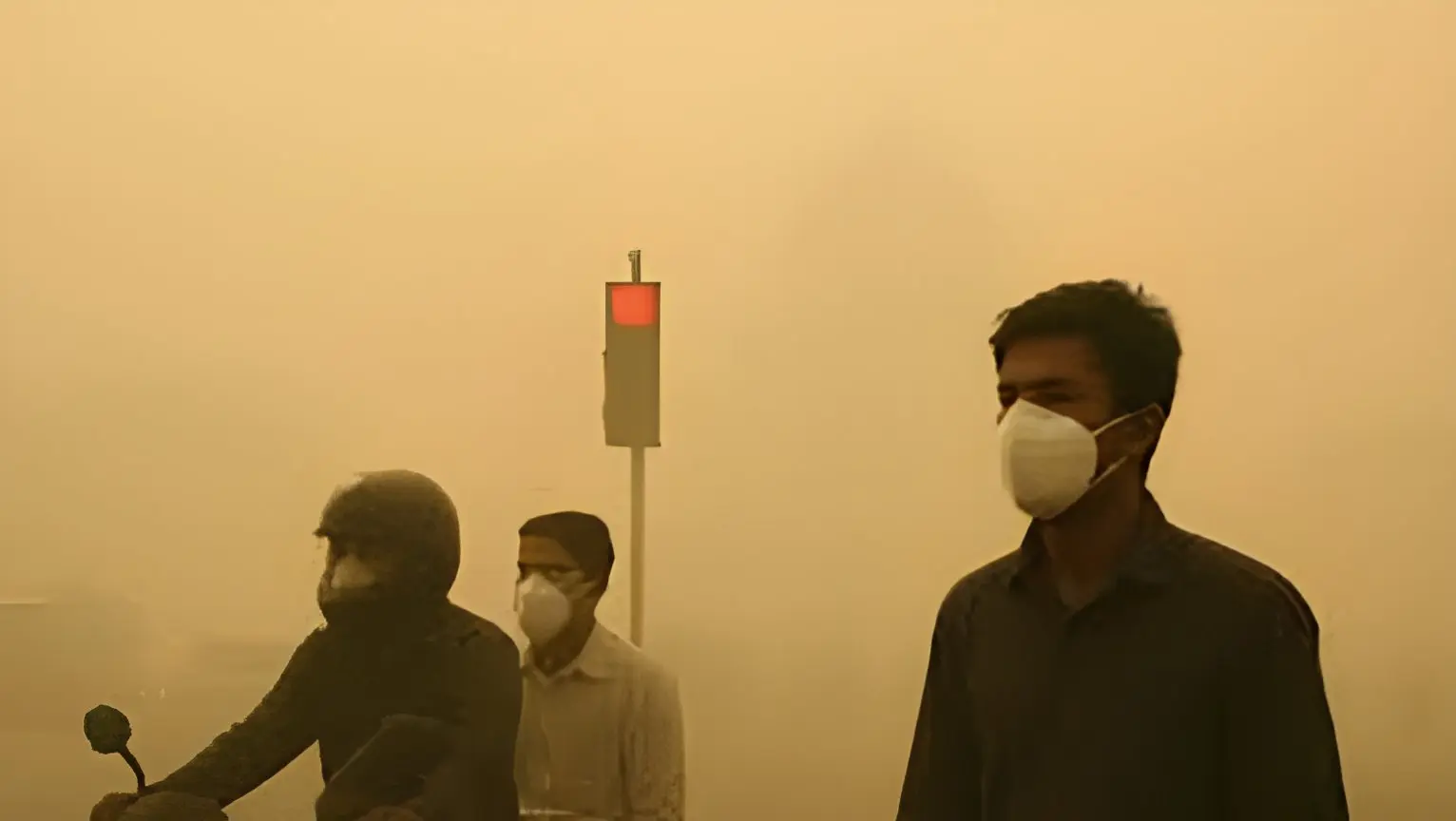
In the heart of winter, Delhi and its surrounding National Capital Region (NCR) are once again grappling with an air pollution emergency. With the **Commission for Air Quality Management (CAQM) reimposing the strictest anti-pollution measures GRAP-IV due to the air quality dropping into the ‘severe’ category, everyday life in the capital city has taken a hit. This article walks you through how this seasonal pollution spike has unfolded, what the Air Quality Index (AQI) has shown at its worst, and the very real impact these toxic conditions have on the people who live, work, and breathe here.
Author : Aashiya Jain | EQmint | Political News
Winter Smog Every Year: A Familiar, Dangerous Pattern
As temperatures drop in northern India, Delhi’s air quality typically worsens but some winters are worse than others. Cold, calm winds trap pollutants close to the ground, creating a thick layer of smog that people can literally see with their eyes. It’s more than haze; it’s a blanket of microscopic particles and chemical contaminants that turn each breath into a health risk.
This winter has been no different. Over recent weeks, pollution levels rose sharply. The Air Quality Index, which measures how clean or dirty the air is, climbed consistently into the ‘very poor’ and ultimately ‘severe’ range the highest danger levels on India’s AQI scale.
When the Air Becomes Hazardous: Record High AQI Days
One of the starkest indicators of Delhi’s pollution crisis this season was the AQI hitting exceptionally high numbers. On December 14, 2025, air quality plunged so deeply into danger that the city recorded an AQI of 461, marking one of the worst air pollution days of the winter. At certain monitoring stations, including Wazirpur, the AQI registered its highest possible value of 500, which is the maximum on India’s scale and indicates severe+ pollution levels.
That day, almost all of Delhi’s 39 monitoring stations showed levels classified as ‘severe’, with barely any area escaping the toxic blanket of smog. For context, the AQI levels above 300 are already hazardous for sensitive groups like children and older adults, and anything above 400 becomes dangerous for everyone.
What GRAP-IV Means for Daily Life in Delhi
Because of this plunge in air quality, the CAQM reimposed **GRAP-IV Stage 4 of the Graded Response Action Plan which is the most stringent set of pollution control measures available.
Under this stage:
-
- Many construction activities are restricted or halted.
-
- Certain types of vehicles are limited or banned based on emission norms.
-
- Industrial operations may face tighter controls to limit pollutants.
These curbs aim to reduce the pollutants in the air, but they also disrupt everyday life especially for workers in construction and transportation, students, and millions of commuters who rely on movement across the city.
How Pollution Affects Everyday Life
When pollution stays in the ‘severe’ or ‘very poor’ category, it affects more than visibility it affects health, work, school, and even mood.
Health Impacts
Breathing toxic air day after day can lead to:
-
- Irritated eyes, persistent coughing, and sore throats
-
- Worsening asthma and other respiratory problems
-
- Increased risk of heart and lung complications
For children, elderly people, and those already sick, the risks become especially serious. Doctors often see a spike in hospital visits during severe pollution episodes.
Disrupted Daily Life
Imagine walking outside in the morning and feeling your lungs tighten with every breath. That’s the reality many Delhi residents face now. Dense smog also leads to:
-
- Reduced visibility, causing slower traffic and travel delays
-
- Flight disruptions and delays at airports
-
- Schools sometimes shifting to online classes
-
- People canceling outdoor exercise or social plans
For parents, sending kids to play outdoors becomes a worry rather than a joy. For office workers, traffic commutes become both hazardous and exhausting.
The Broader Winter Pollution Story
This isn’t a sudden event it’s a cycle that seems to repeat each year. Winter weather patterns, stalled winds, and emissions from vehicles, industries, and neighboring states’ crop burning all converge to trap harmful particles in the atmosphere. Many experts now call it a public health emergency when AQI stays high for prolonged periods.
Hope Amid the Haze
Even though the current situation looks grim, there are signs that long-term efforts to reduce pollution can make a difference. Monitoring, better fuels, stricter vehicle emission checks, and targeted restrictions have improved some years more than others. But clearly, the recurring winter spikes show that more sustained action is needed if residents are to find real relief.
Conclusion: Breathing Through the Winter
This winter’s air pollution crisis in Delhi is a stark reminder of how environmental challenges directly affect human life. When the AQI jumps into the severe category and GRAP-IV restrictions become necessary, it’s not just a statistic it’s a disruption felt in each breath, each commute, and each decision families make about their daily routines.
For the people of Delhi, the hope is that this winter’s bitter lessons will push policymakers, communities, and individuals to think harder and act stronger so that a city’s air doesn’t have to be a danger to its own people.
For more such a information : EQmint
Resource Link : TOI