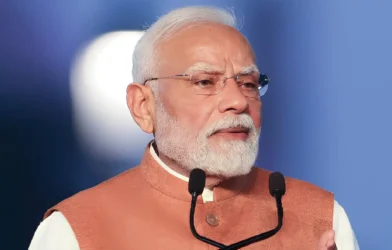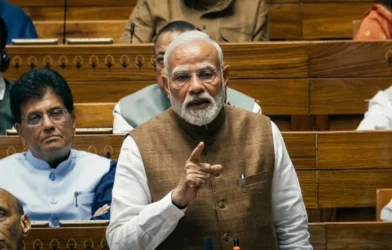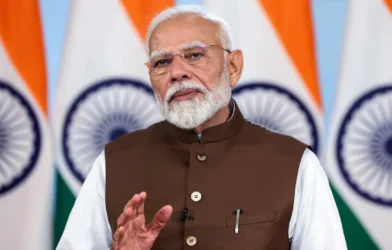

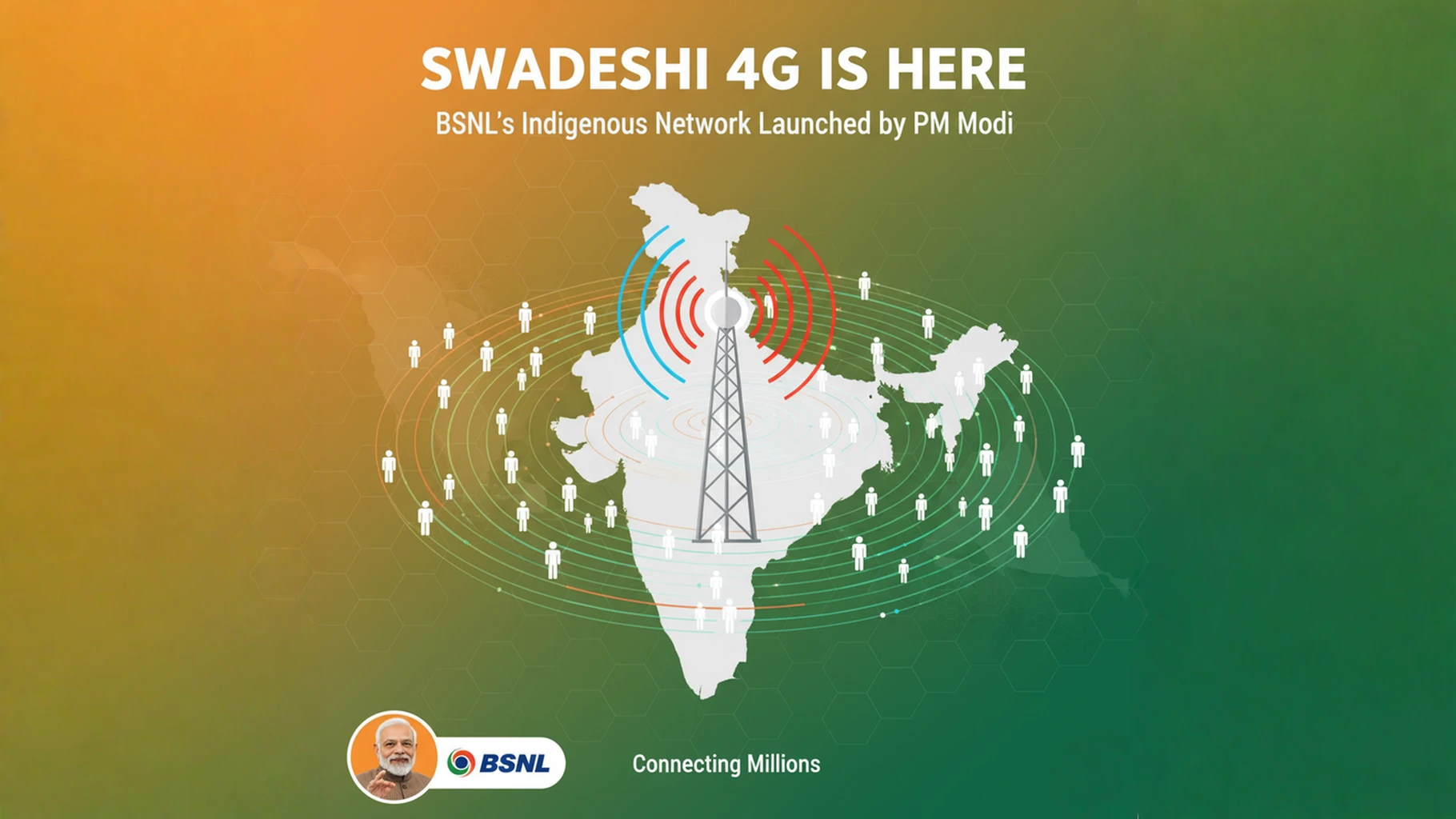
In a landmark move towards technological self-reliance, Prime Minister Narendra Modi on September 27, 2025, launched Bharat Sanchar Nigam Limited’s (BSNL) fully indigenous 4G network from Jharsuguda, Odisha. This launch, coinciding with BSNL’s silver jubilee celebrations, represents a major milestone in India’s push for ‘Atmanirbhar Bharat’ and its emphasis on homegrown technology in critical national infrastructure.
A Leap Towards Digital Sovereignty
With this initiative, India joins an elite group of nations, including Denmark, Sweden, South Korea, and China, that manufacture their own telecom equipment. The indigenous 4G stack, developed collaboratively by the Centre for Development of Telematics (C-DOT), Tejas Networks, and Tata Consultancy Services (TCS), was completed in a record 22 months. This achievement marks a significant shift in India’s role in the global telecom sector, transitioning from being largely a consumer of technology to becoming a producer.
Nationwide Expansion of BSNL 4G Infrastructure
The launch is not just symbolic; it comes with a tangible expansion of India’s telecom infrastructure. Over 97,500 mobile 4G towers have been commissioned across the country, of which more than 92,600 are equipped with the new indigenous technology. These towers, developed at a cost of approximately ₹37,000 crore, are aimed at enhancing connectivity in remote, underserved, and border areas, including regions affected by left-wing extremism.
Significantly, around 18,900 towers funded under the Digital Bharat Nidhi initiative will bring connectivity to more than 26,700 previously unserved villages. This expansion underscores the government’s commitment to bridging the digital divide and ensuring that even the most remote corners of India benefit from high-speed mobile services.
Future-Ready Technology
One of the standout features of the indigenous 4G network is its future-readiness. The network is designed for seamless upgrades to 5G through software enhancements, ensuring that India’s telecom infrastructure remains scalable and aligned with technological advancements. This approach positions the country to move swiftly into the next generation of mobile connectivity without relying on foreign technology or infrastructure.
Economic and Strategic Implications
The rollout of the indigenous 4G network is expected to add over 20 lakh new subscribers to the digital ecosystem, significantly expanding internet access in underserved regions. Beyond connectivity, this initiative is projected to generate substantial employment opportunities, boost the domestic telecom industry, and contribute meaningfully to the growth of India’s digital economy.
Communications Minister Jyotiraditya Scindia emphasized that India’s entry into the select group of nations manufacturing telecom equipment is a transformation that redefines the country from a service-centric economy to a hub of innovation, production, and potential exports. By producing critical telecom technology domestically, India strengthens its strategic and economic independence.
Complementary Initiatives in Odisha
During his visit to Odisha, Prime Minister Modi also inaugurated development projects worth over ₹60,000 crore, aimed at enhancing digital connectivity, infrastructure, and higher education. These projects include the expansion of eight Indian Institutes of Technology (IITs) and the commissioning of a five-kilometer flyover in Sambalpur to improve city traffic management. The indigenous 4G launch is central to these efforts, enabling faster communication, improved digital services, and more inclusive growth for the region.
Impact on Citizens and Businesses
For ordinary citizens, the new 4G network means more reliable, faster, and affordable mobile internet services. Students, professionals, and rural entrepreneurs will benefit from enhanced connectivity, enabling access to online education, e-commerce, telemedicine, and digital financial services. Businesses, particularly startups and small enterprises, will have the technological backbone to scale operations efficiently across the country.
Conclusion
The launch of BSNL’s indigenous 4G network is more than just a technological achievement—it is a statement of India’s intent to assert digital sovereignty and reduce dependence on foreign technology. By investing in homegrown infrastructure and future-ready networks, India not only strengthens connectivity across the nation but also positions itself as a leader in the global telecom sector. This initiative embodies the spirit of ‘Swadeshi’ in technology, aligning with the broader vision of self-reliance and sustainable growth.
As India embraces its indigenous 4G services, the country moves closer to bridging the digital divide, empowering citizens, and ensuring that its telecom infrastructure remains resilient, innovative, and competitive on a global scale. The BSNL launch sets the stage for a future where India can confidently build, upgrade, and expand its digital networks, heralding a new era of technological independence.
Disclaimer: This article is based on information available from public sources. It has not been reported by EQMint journalists. EQMint has compiled and presented the content for informational purposes only and does not guarantee its accuracy or completeness. Readers are advised to verify details independently before relying on them.