
India is building the world’s largest renewable energy project in Gujarat’s Rann of Kutch. The mega project could power millions of homes and transform the country’s clean energy future.
Author: Aditya Pareek | EQMint
Gujarat, March 24, 2026: India is building what could become the world’s biggest renewable energy project, transforming the barren Rann of Kutch into a massive clean energy hub. Known as the Khavda Renewable Energy Park, the project is being developed at an unprecedented scale and is expected to redefine global energy infrastructure.
Spanning an area larger than some countries, this mega project is being called a renewable energy ‘beast’ due to its sheer size and capacity.
Key Highlights
- 30 GW total capacity planned
- Combination of solar and wind energy
- Can power up to 18 million homes
- Spread across 72,600 hectares
- One of the world’s largest single-site energy projects
What is the Khavda Renewable Energy Park?
The Khavda renewable energy park is a massive hybrid project located in Gujarat’s Rann of Kutch. It combines both solar and wind energy generation to maximize efficiency and output.
The project aims to generate around 30 gigawatts (GW) of electricity—making it the World’s Biggest Renewable Energy energy installation at a single site globally.
To put this into perspective, the energy generated could power nearly 18 million homes, which is close to the population of several countries.
World’s Biggest Renewable Energy Turning Into a Green Powerhouse
What makes this project even more remarkable is its location. The Rann of Kutch, traditionally known for its harsh and barren landscape, is being transformed into a green energy powerhouse.
The site spans approximately 72,600 hectares, making it one of the largest energy infrastructures ever attempted.
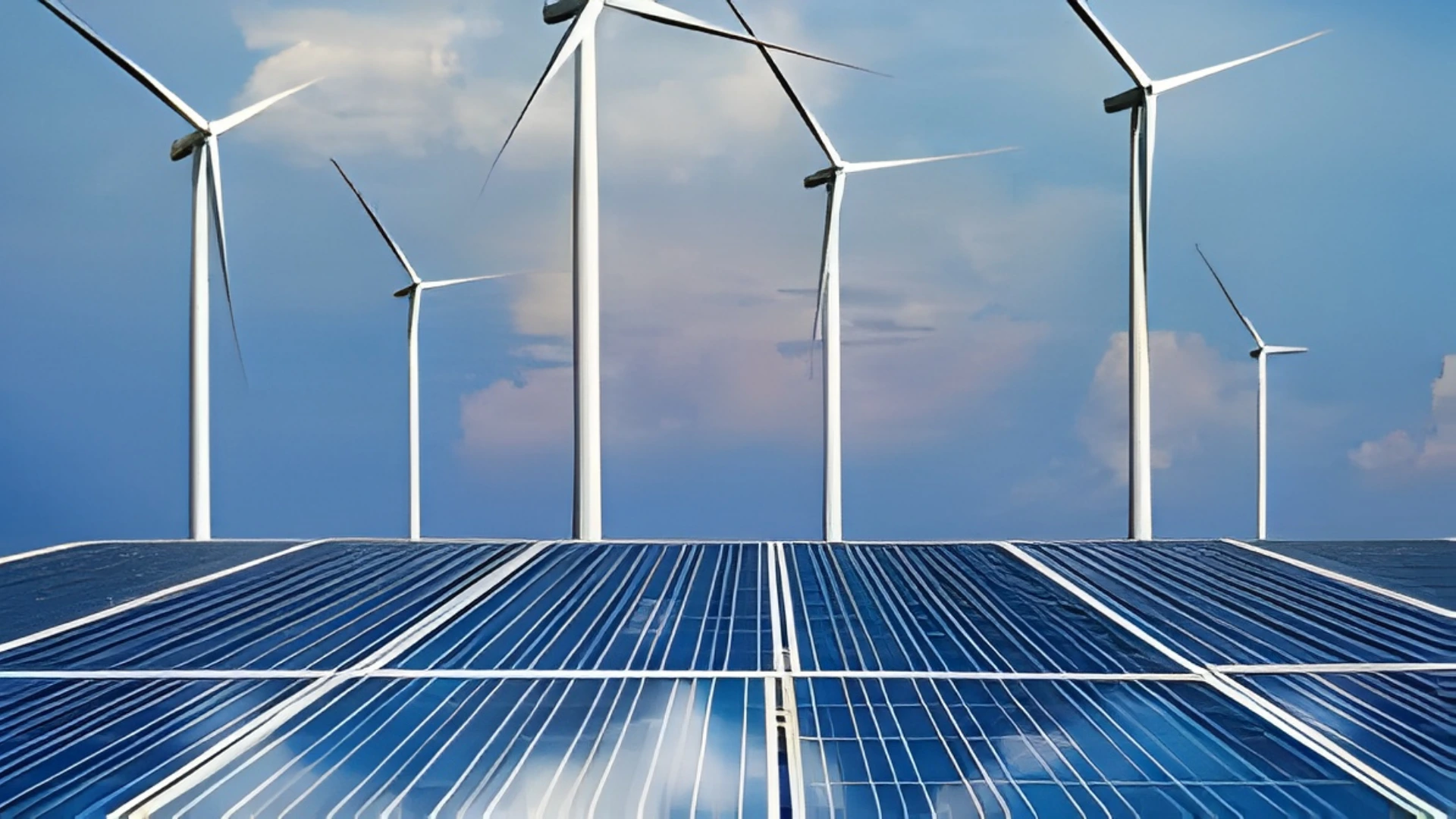
Drone footage and satellite visuals show endless rows of solar panels and wind turbines emerging from what was once empty land—highlighting India’s rapid push toward sustainability.
World’s Biggest Renewable Energy Project: A Global Benchmark
India’s ambitious clean energy goals are driving projects like Khavda. The country is already among the top global players in renewable energy:
- Over 250 GW of non-fossil capacity installed
- Target of 500 GW by 2030
- Rapid expansion in solar and wind sectors
The India renewable energy project at Khavda is expected to contribute significantly toward these targets and position India as a global leader in clean energy innovation.
Solar + Wind Hybrid: Why It Matters
Unlike traditional projects that rely on a single energy source, Khavda is a solar-wind hybrid project.
Benefits include:
- Continuous energy generation (day + night)
- Better land utilization
- Improved efficiency
- Reduced dependence on fossil fuels
This hybrid approach ensures stable and scalable energy production.
Who Is Building It?
The project is being led by major players like Adani Green Energy, along with international partnerships.
The foundation stone for the project was laid in 2020, and parts of the project are already operational, with full development expected over the coming years.
Economic and Environmental Impact
The project is expected to have a massive impact:
Environmental:
- Significant reduction in carbon emissions
- Supports India’s net-zero goals
Economic:
- Job creation
- Infrastructure development
- Increased energy security
Why This Project Matters Globally
The world largest solar wind park India is not just a national achievement—it is a global benchmark.
As countries worldwide shift toward clean energy, projects like Khavda demonstrate how large-scale renewable infrastructure can be deployed effectively.
Conclusion
The rise of the Khavda renewable energy park marks a defining moment in India’s clean energy journey. With its massive scale, hybrid technology, and global significance, this project truly lives up to its name as a renewable energy “beast.”
As construction progresses, it could reshape not just India’s energy landscape—but the future of global renewable power.
For more such information visit EQMint