
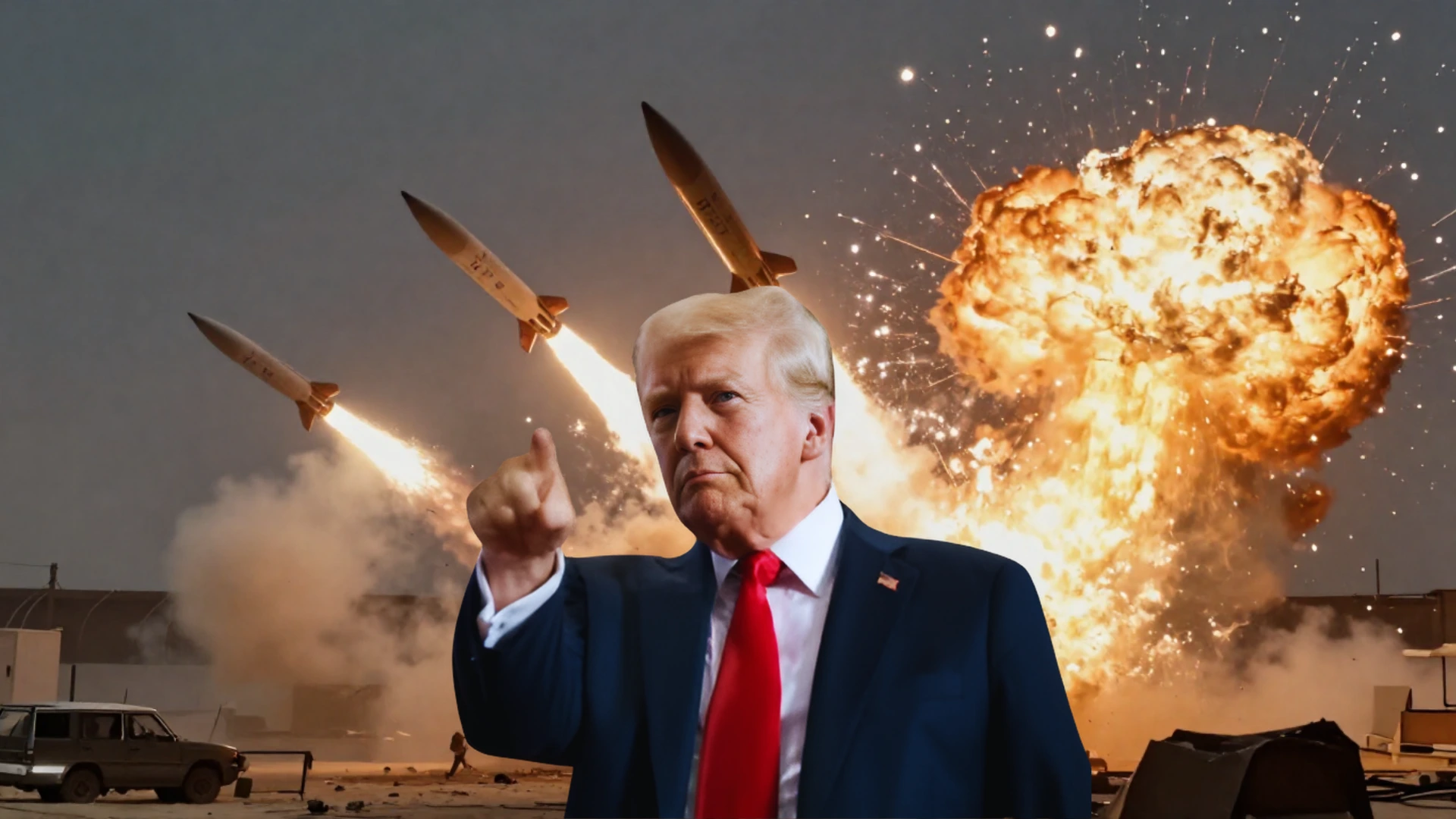
Despite military pressure, Donald Trump is struggling to impose ceasefire terms on Iran. Deep mistrust, conflicting demands, and geopolitical realities are limiting US influence.
Author: Aadarsh Patel | EQMint
US-Iran War: Why Trump Can’t Dictate Ceasefire Terms to Tehran
Washington/Tehran, March 26, 2026: As tensions escalate in the Middle East, the United States’ attempt to impose a ceasefire framework on Iran is facing major resistance. Despite proposing a detailed peace plan, Donald Trump has been unable to dictate terms to Tehran, highlighting the complexity of the ongoing US Iran war ceasefire dynamics.
Iran has already rejected the US-backed proposal and made it clear that any resolution will happen on its own terms, not Washington’s.
Key Highlights
- Iran has rejected the US ceasefire proposal
- Deep mistrust between both nations
- Conflicting strategic demands
- Ongoing military escalation
- Global geopolitical pressure rising
No Trust Between the US and Iran
One of the biggest barriers is the lack of diplomatic trust.
Iran has repeatedly accused the US of:
- Breaking past agreements
- Using diplomacy as a cover for military action
This trust deficit makes it difficult for Tehran to accept any proposal led by Washington.
Iran Has Its Own Non-Negotiable Demands
Iran is not just reacting—it is setting its own conditions.
These include:
- Control over the Strait of Hormuz
- War reparations
- Guarantees against future attacks
These demands directly conflict with US objectives, making compromise difficult.
War Still Ongoing — No Ground for Negotiation
Unlike traditional peace talks, the war is still active.
- Airstrikes and missile attacks continue
- US troop deployments are increasing
- Iran is retaliating across the region
This ongoing conflict environment limits the chances of a negotiated ceasefire.
Iran Holds Strategic Leverage (Oil & Hormuz)
Iran controls one of the world’s most critical chokepoints — the Strait of Hormuz.
- ~20% of global oil supply passes through it
- Disruptions impact global markets
This gives Iran strong leverage against US pressure, reducing Trump’s ability to dictate terms.
Domestic Pressure on the US Government
The US is also facing internal constraints:
- Rising oil prices → inflation concerns
- Pressure on Federal Reserve
- Political pressure to end the war quickly
These factors limit how aggressively the US can push its demands.
Shift in Iran’s Strategy
Experts note that Iran is no longer reacting predictably.
- It is resisting pressure instead of conceding
- Escalating strategically when needed
- Rejecting traditional US negotiation tactics
This has weakened Trump’s usual “pressure → negotiation” approach.
Why Iran Rejected the US Plan
Iran has clearly stated that:
- It will not accept one-sided conditions
- The war will end only on its own terms
- Negotiations require equal footing
Global Implications
The inability to dictate ceasefire terms has broader consequences:
If stalemate continues
- Prolonged war
- Oil price volatility
- Global economic uncertainty
If escalation increases
- Wider regional conflict
- Energy supply disruptions
- Market instability
Conclusion
The US Iran war ceasefire situation highlights a key reality: military strength alone cannot dictate diplomatic outcomes. With deep mistrust, conflicting demands, and strategic leverage on both sides, Trump’s ability to impose ceasefire terms remains limited.
As the conflict continues, the path to peace will likely require negotiation—not imposition.
For more such information visit EQMint